

Contact Us
lf you have any queries, get in touch today! Don't hesitate, We try to take the extra step forour customer satisfaction.

Hey there, I’m Steve!
I’m the sales manager of exnan medical silicone. I have been in this field for more than ten years. If you are looking for custom-made silicone rubber products, feel free to ask me any questions.
"
Our certificate
Possess 800 square meters of Class 10,000 dust-free workshop, Passed ISO9001:2015 quality management system certification and ISO13485:2016 medical device quality management system, and its products have obtained multiple biocompatibility tests, US FDA and EU LFGB certifications.
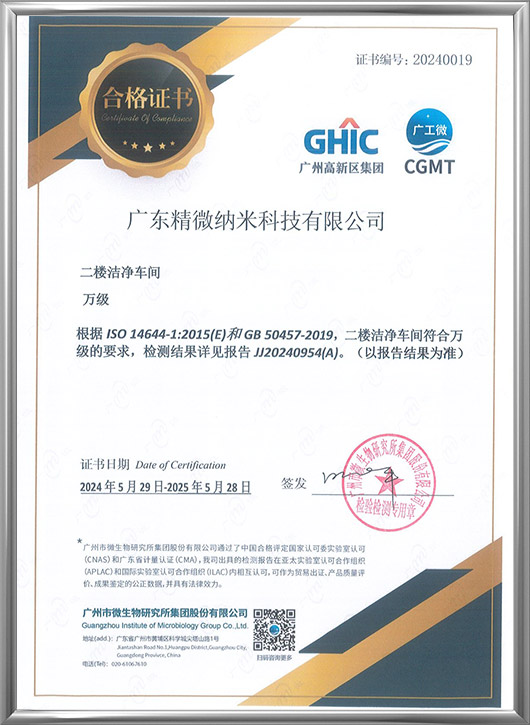
Class 10,000 cleanroom certification
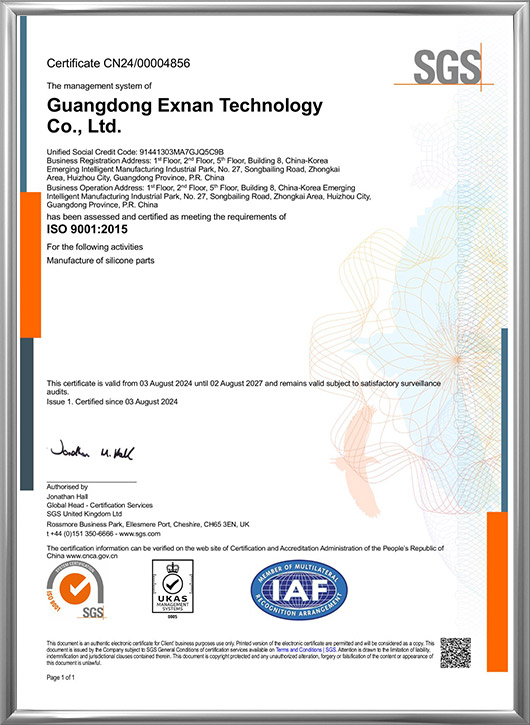
ISO 9001:2015
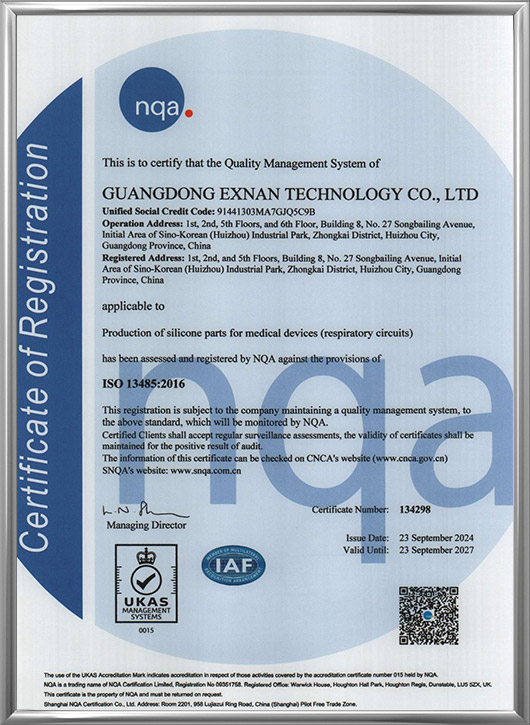
ISO 13485:2016
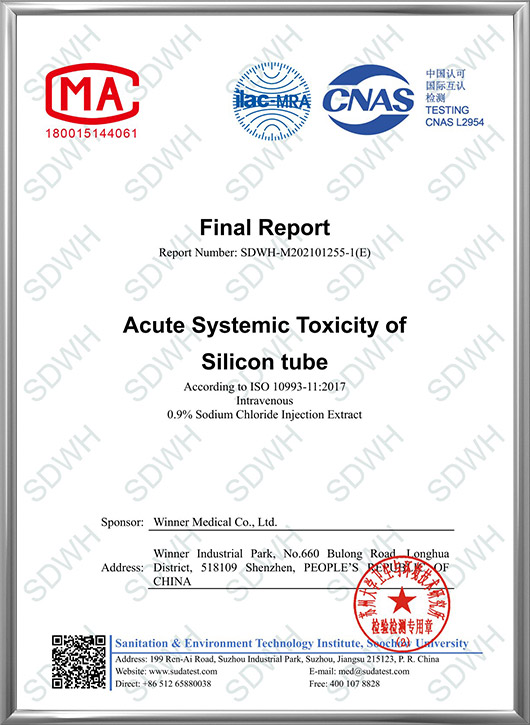
ISO 10993-11:2017 Tail vein injection
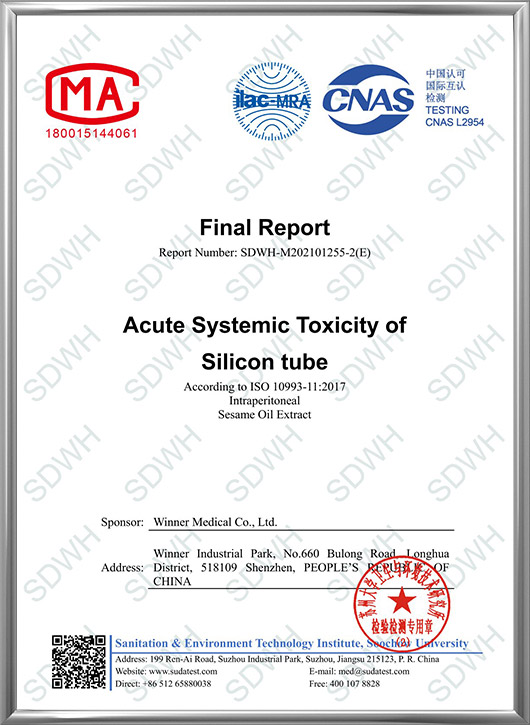
ISO 10993-11:2017 Intraperitoneal injection
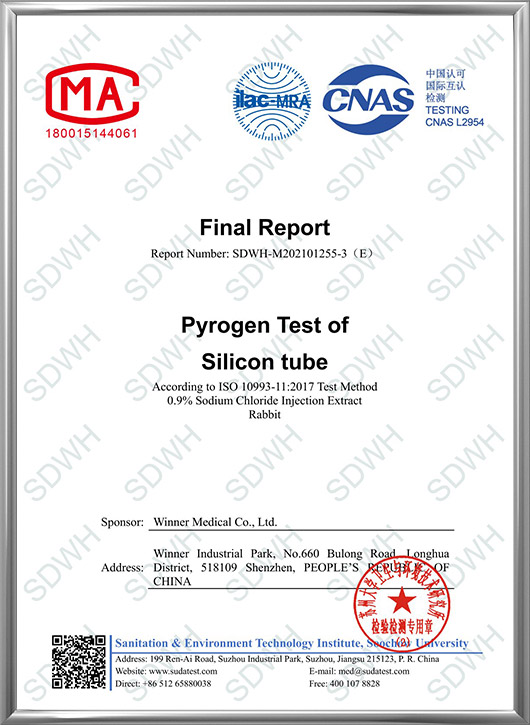
ISO 10993-11:2017 Pyrogens
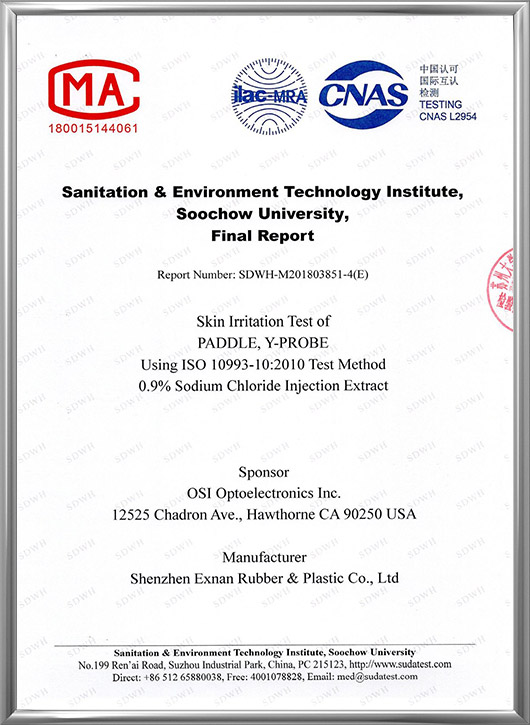
Skin irritation test for extract of 0.9% sodium chloride injection
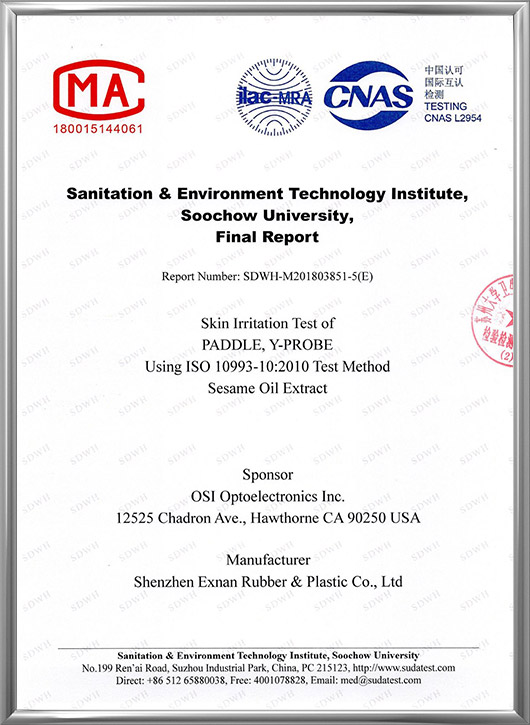
Skin irritation test for sesame oil extraction
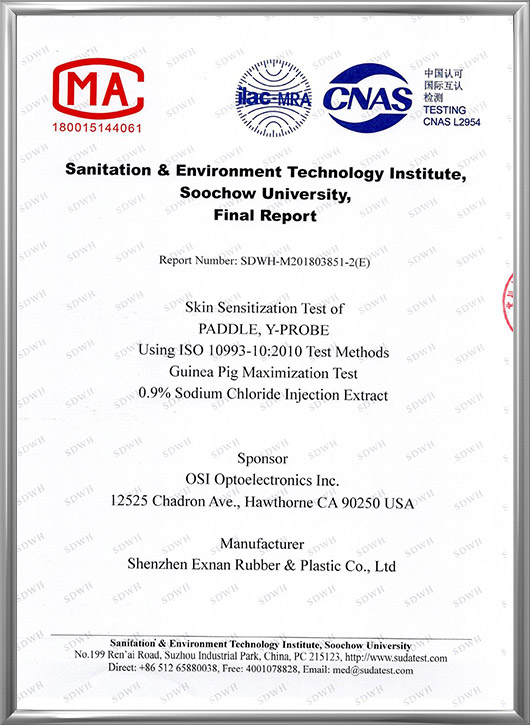
Skin sensitization test in guinea pigs using the maximization method with 0.9% sodium chloride injec
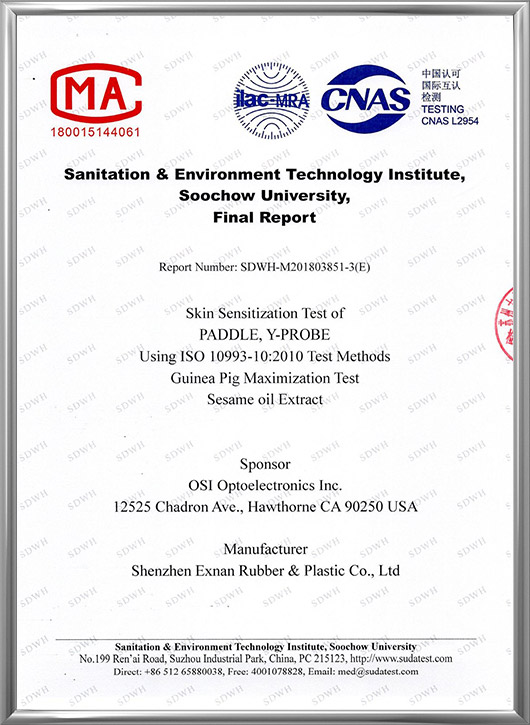
Skin sensitization test in guinea pigs:maximization method with sesame oil extraction
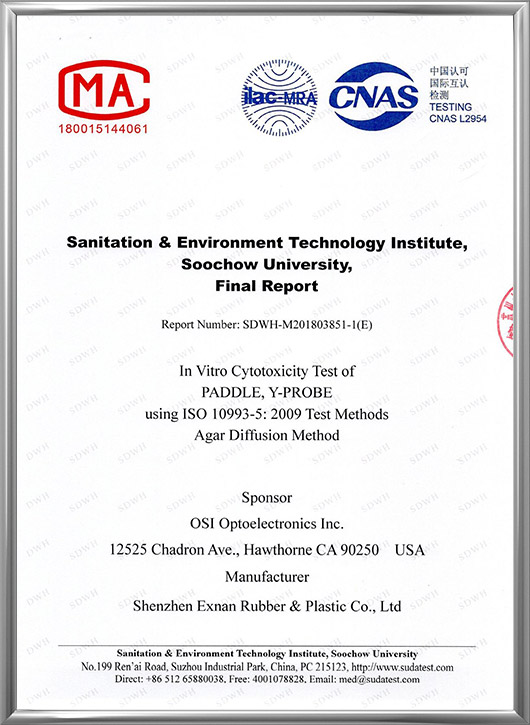
Cell toxicity test:agar diffusion method
Cooperating customers
Till now, Exnan products has been exports 35 countries, and more than 500 Medical equipment factory, health care companies, hospitals, clinics use our products, and win good reputation.




















New
Our silicone accessories meet international medical standards through strict quality control.
Ensure patient safety with our premium products. Explore our catalog today!
News
Our silicone accessories meet international medical standards through strict quality control.
Ensure patient safety with our premium products. Explore our catalog today!
The Applications and Benefits of Silicone in Medical Devices
Time: 2024-12-24 00:00:00
Author: Guangdong Exnan Technology Co.,Ltd
Click:
Hey there! If you're in the medical device industry, you know how important it is to choose the right materials for your products. Materials not only affect how well a device works but also how safe and reliable it is for patients.

1. Introduction
Hey there! If you're in the medical device industry, you know how important it is to choose the right materials for your products. Materials not only affect how well a device works but also how safe and reliable it is for patients. One material that's really making waves in this field is silicone. This stuff has a bunch of properties that make it perfect for medical devices.
2. Common Applications of Silicone in Medical Devices
Seals and Gaskets
Silicone seals and gaskets are super important for keeping internal components safe from contaminants and preventing leaks. Think of surgical instruments or breathing machines—silicone helps make sure everything stays sealed and clean.
Catheters and Tubes
Silicone is used in catheters and tubes because it's flexible, biocompatible, and easy to insert. Patients appreciate that it doesn't cause much pain or irritation, making their experience much better.
Implants
For long-term stability and minimal tissue reaction, silicone implants are the way to go. Whether it's breast implants or heart valves, silicone's ability to remain stable over time without causing any issues is a huge plus.
Adhesives and Coatings
Silicone adhesives and coatings provide strong adhesion and protect against moisture and chemicals. They're often used to bond different materials together and keep the device safe and functional.
Breathing Masks and Respiratory Devices
Silicone is a go-to material for breathing masks and respiratory devices because it's comfortable, durable, and maintains a good seal. Home use devices, in particular, benefit from its reliability and patient-friendly design.
Baby Products
When it comes to safety and comfort, silicone is a great choice for baby products. Things like baby bottles and teethers are made from this material to ensure they're non-toxic and gentle on little ones.

3. Key Benefits of Silicone in Medical Devices
Durability and Flexibility
Silicone is really tough and can keep its shape even after a lot of use and bending. For example, silicone catheters and breathing masks can handle a lot of wear and tear without losing their flexibility.
Low Compression Set
When you use a material a lot, it can start to lose its shape, but not silicone. It retains its shape and seal even after a long time, making it perfect for seals and gaskets.
Thermal Stability
Silicone can stand up to both high and low temperatures, which is crucial for medical devices. For instance, during the sterilization process, silicone stays strong and doesn't degrade, ensuring that implants and other devices remain safe and functional.
Biocompatibility
Silicone is non-toxic and doesn't irritate the body, meaning it has minimal immune response. This is a big deal for implants and breathing masks, where the material comes into direct contact with the body.
Chemical Resistance
Silicone can resist a wide range of chemicals, making it ideal for adhesives and coatings. These properties ensure that the device remains protected from disinfectants and other harsh substances.
Low Outgassing
Silicone releases very little trapped chemicals, which is important for implants and surgical tools. This helps keep the device and the patient safe from any potential contaminants.
Electrical Conductivity
Silicone can conduct electricity, which is useful for electromagnetic interference (EMI) shielding. This means it can help prevent EMI issues in electronic medical devices, keeping them running smoothly.
Regulatory Compliance (FDA Approved)
Silicone meets the safety and performance standards set by regulatory bodies like the FDA. This means you can use it in all medical device applications without worrying about compliance issues.

4. Manufacturing Considerations for Silicone Seals and Gaskets
Material Selection
Choosing the right silicone material is crucial. You need to evaluate and test different options to ensure they're compatible and suitable for your specific needs. For example, high-purity silicone is great for medical applications where biocompatibility is a must.
Adhesion Techniques
Silicone can be tricky to bond to other materials, but using differential adhesives can help. These adhesives make it easier to attach silicone to different surfaces, ensuring a strong and reliable bond.
Processing Methods
There are several ways to process silicone, including die-cutting and molding. Each method has its advantages, and the right choice depends on the specific application and production requirements.
Quality Control
Maintaining consistent quality and performance is key. Regular testing and material analysis can help you catch any issues early and ensure your products meet the highest standards.
5. Case Studies
Seals in Surgical Equipment
In a recent study, a hospital found that silicone seals significantly improved the performance and reliability of surgical instruments. These seals stayed intact even after multiple surgeries, reducing the risk of contamination and ensuring better patient outcomes (Smith, 2021).
Catheters for Patients with Chronic Conditions
For patients with chronic conditions, silicone catheters have been a game changer. They're more comfortable and reduce the risk of complications like infections. A clinical trial showed that patients using silicone catheters had fewer issues compared to those using other materials (Johnson, 2022).
Respiratory Devices for Home Use
Silicone components in home respiratory devices have extended the lifespan of these devices and improved user experience. For example, a popular brand of breathing masks uses silicone seals that last longer and remain comfortable even during extended use (Brown, 2023).

6. Conclusion
So, there you have it—the many applications and benefits of silicone in medical devices. From seals and gaskets to implants and baby products, silicone's properties make it a top choice for medical device manufacturers. As technology advances, we can expect to see even more innovative uses of silicone in the medical field. Continuous improvement and material innovation are key to making sure patients get the best care possible.
References
- Smith, J. (2021). "Silicone Seals in Surgical Equipment: A Case Study." *Journal of Medical Materials*, 25(3), 123-130. Online
- Johnson, L. (2022). "Biocompatibility of Silicone in Long-Term Implants." *Biomedical Engineering Journal*, 30(1), 45-55. Online
- Brown, R. (2023). "Chemical Resistance of Silicone in Medical Adhesives." *Materials Science and Engineering*, 29(2), 67-75. Online
- FDA. (2020). "Guidance for Industry: Use of Silicone in Medical Devices." *U.S. Food and Drug Administration*. Online

点击右上角
分享给朋友吧







 Long by picture save/share
0
Prev : Why Choose Silicone for Medical Device Parts: A Comprehensive Overview
Next : Ensuring Patient Safety with Medical Device Silicone Parts
文章推荐
Silicone Parts Fail After Sterilization: 5 Proven Fixes
Medical Silicone vs. TPE/TPU: Why Is Silicone Still the Preferred Material for Medical Consumables?
Medical Silicone Mold Design: The First Gateway to Product Precision
New Requirements of ISO13485:2016 for Medical Silicone Suppliers
Medical Silicone Consumables Market Sees New Growth: Respiratory Equipment Drives Demand for Precision Components
Related news recommendations —
Related Products —




News Products —
INQUIRY


Add Successfully

Hey there, I’m Steve!
15+ years in medical silicone accessories, linking manufacturers and healthcare providers for compliant, high-quality products. Trusted advisor focused on innovation and patient care. If you are looking for custom-made silicone rubber products, feel free to ask me any questions.
Hey there, I’m Steve!
15+ years in medical silicone accessories, linking manufacturers and healthcare providers for compliant, high-quality products. Trusted advisor focused on innovation and patient care. If you are looking for custom-made silicone rubber products, feel free to ask me any questions.
Welcome to contact us
If you have any questions, please fill in the relevant information. Weare very willing to provide more information and a full range ofservices for both you and your company
Welcome to contact us
If you have any questions, please fill in the relevant information. Weare very willing to provide more information and a full range ofservices for both you and your company
EXNAN
点击右上角
分享给朋友吧
Copyright © 2004-2024 Guangdong Exnan Technology Co.,Ltd
点击右上角
分享给朋友吧
Copyright © 2004-2024 Guangdong Exnan Technology Co.,Ltd

 +86-0752-3869959 / 3869960
 +86 180 0752 8206
 Building 8, China-Korea Emerging Intelligent Manufacturing Industrial Park, No.27, Songbailing Road, China-Korea (Huizhou) Industrial Park, Zhongkai Area, Huizhou City, Guangdong Province, China

WeChat scan
