

Contact Us
lf you have any queries, get in touch today! Don't hesitate, We try to take the extra step forour customer satisfaction.

Hey there, I’m Steve!
I’m the sales manager of exnan medical silicone. I have been in this field for more than ten years. If you are looking for custom-made silicone rubber products, feel free to ask me any questions.
"
Our certificate
Possess 800 square meters of Class 10,000 dust-free workshop, Passed ISO9001:2015 quality management system certification and ISO13485:2016 medical device quality management system, and its products have obtained multiple biocompatibility tests, US FDA and EU LFGB certifications.
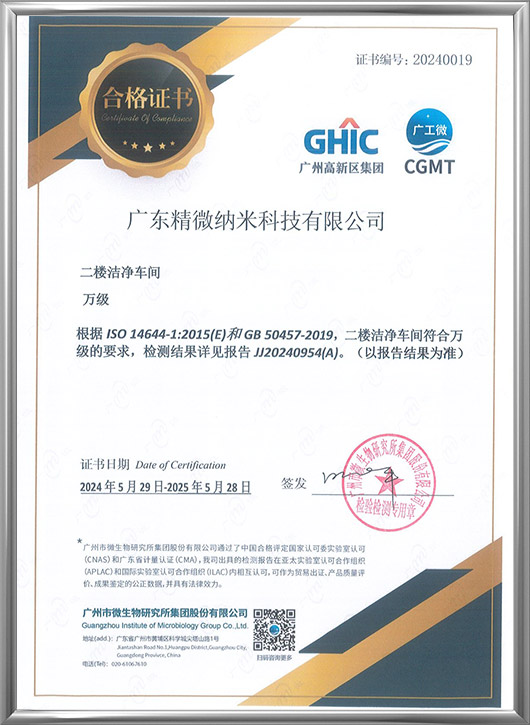
Class 10,000 cleanroom certification
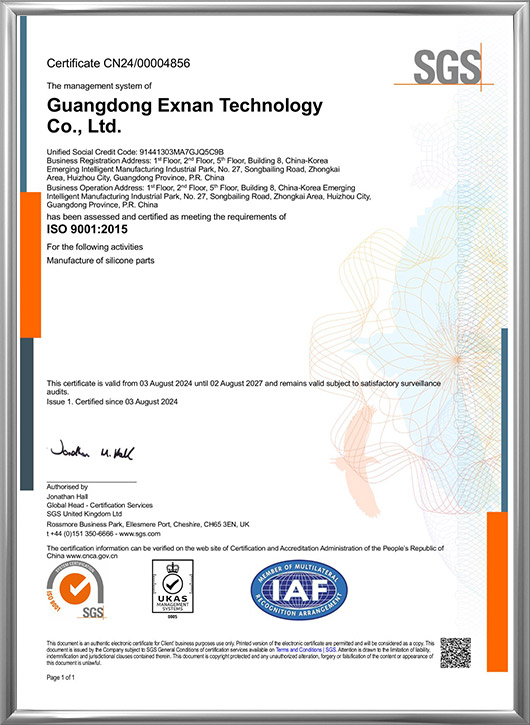
ISO 9001:2015
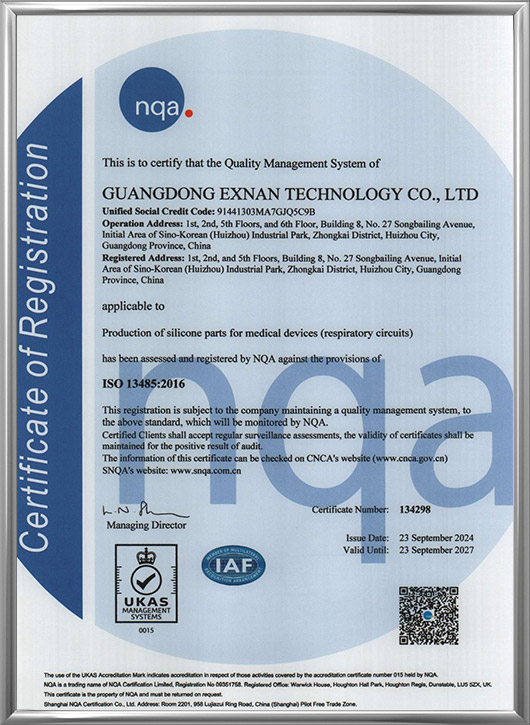
ISO 13485:2016
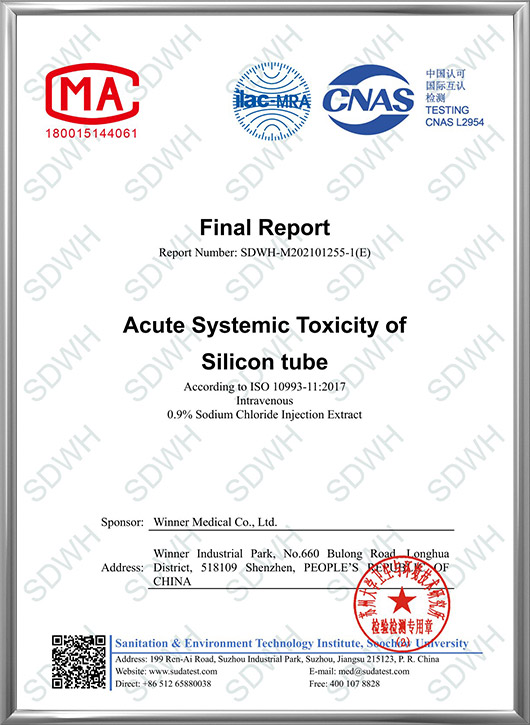
ISO 10993-11:2017 Tail vein injection
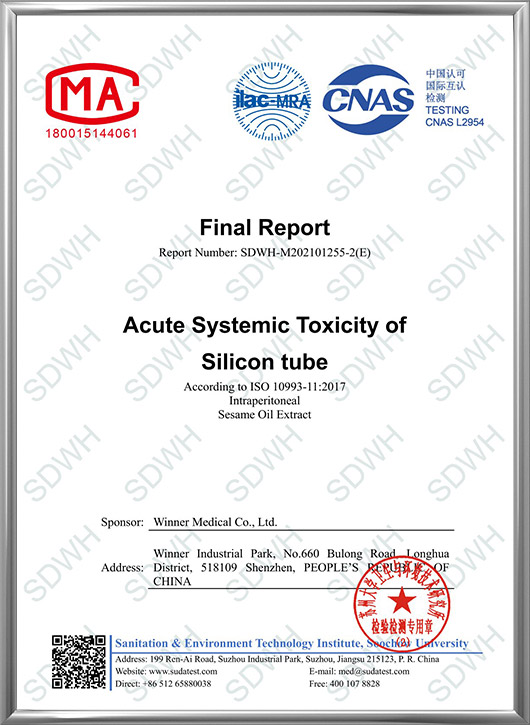
ISO 10993-11:2017 Intraperitoneal injection
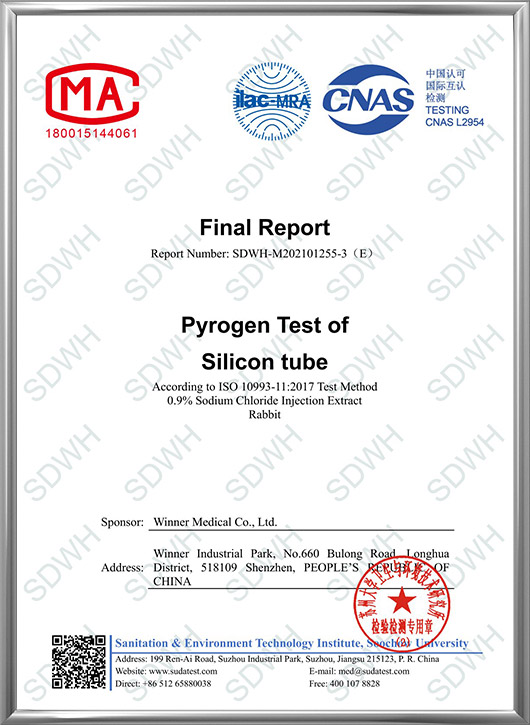
ISO 10993-11:2017 Pyrogens
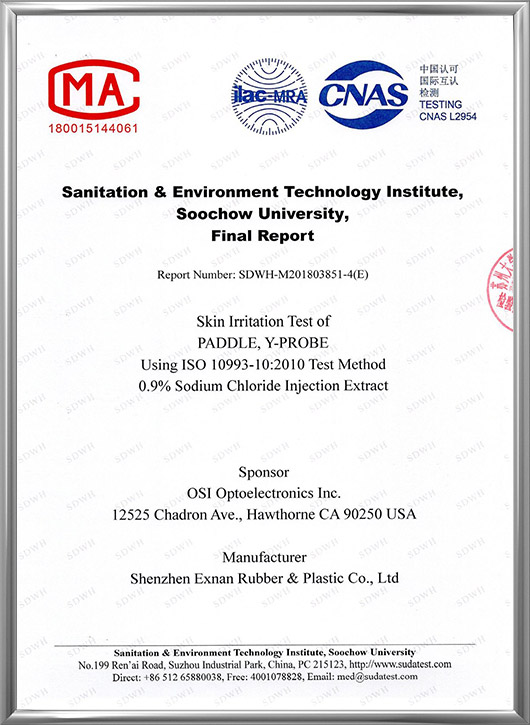
Skin irritation test for extract of 0.9% sodium chloride injection
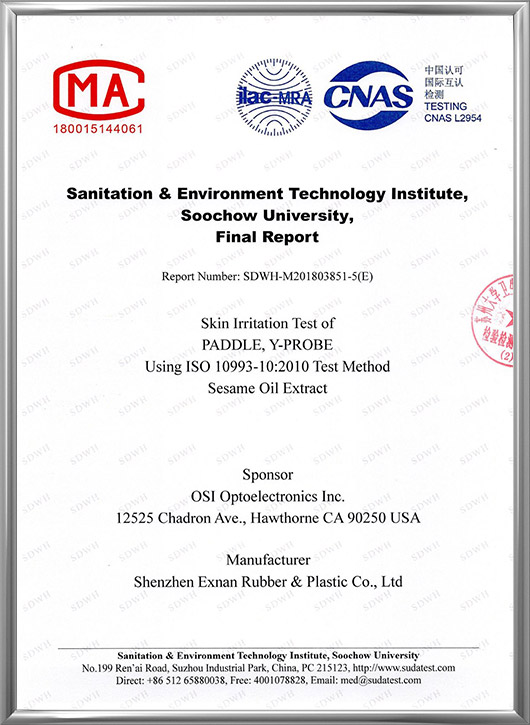
Skin irritation test for sesame oil extraction
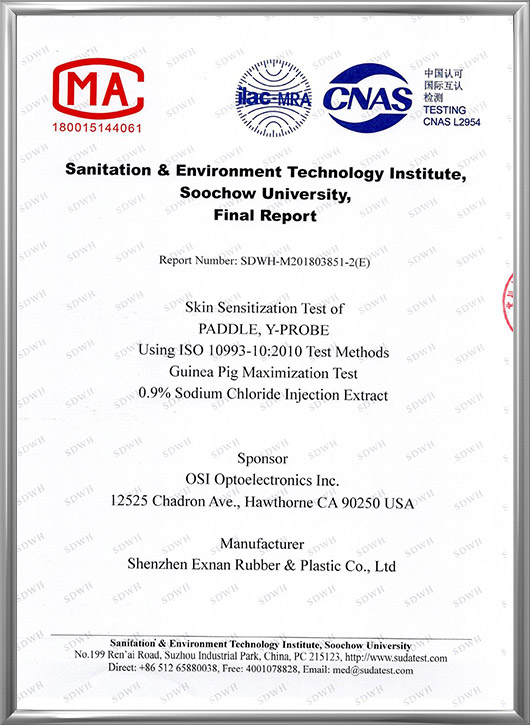
Skin sensitization test in guinea pigs using the maximization method with 0.9% sodium chloride injec
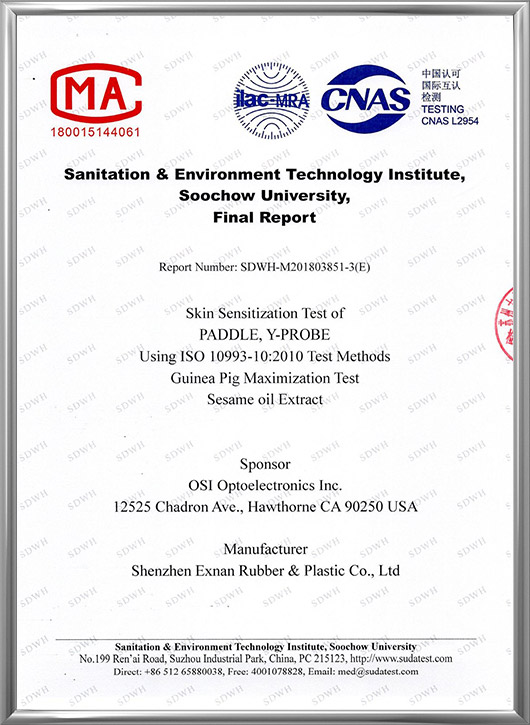
Skin sensitization test in guinea pigs:maximization method with sesame oil extraction
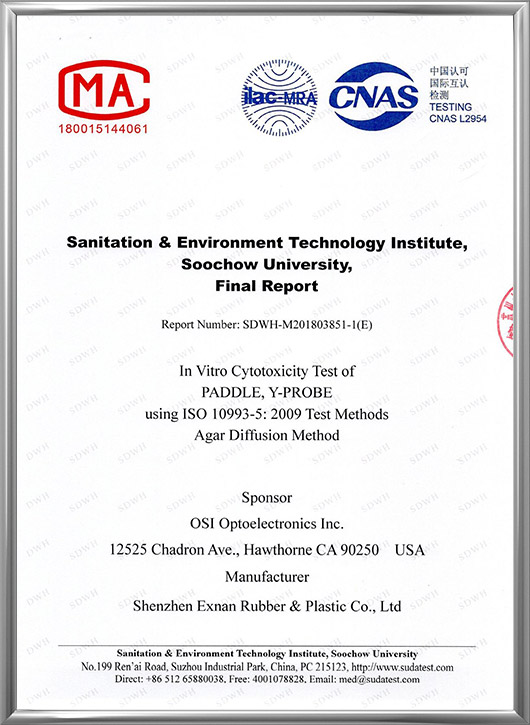
Cell toxicity test:agar diffusion method
Cooperating customers
Till now, Exnan products has been exports 35 countries, and more than 500 Medical equipment factory, health care companies, hospitals, clinics use our products, and win good reputation.



















New
Our silicone accessories meet international medical standards through strict quality control.
Ensure patient safety with our premium products. Explore our catalog today!
News
Our silicone accessories meet international medical standards through strict quality control.
Ensure patient safety with our premium products. Explore our catalog today!
What is medical grade silicone made of
Time: 2024-05-29 09:47:32
Author: Guangdong Exnan Technology Co.,Ltd
Click:
Medical grade silicone — you’ve likely heard of it, especially if you’ve had any recent experience with medical devices or implants. It's the unsung hero in the medical field, known for its biocompatibility and versatility. But what exactly is it made of, and why does it matter so much in healthcare? Let’s peel back the layers and take a closer look at this critical material.

Medical grade silicone — you’ve likely heard of it, especially if you’ve had any recent experience with medical devices or implants. It's the unsung hero in the medical field, known for its biocompatibility and versatility. But what exactly is it made of, and why does it matter so much in healthcare? Let’s peel back the layers and take a closer look at this critical material.

The Core of Medical Grade Silicone
At its essence, medical grade silicone is a polymer primarily composed of silicon (Si), oxygen (O), and various organic groups like methyl, ethyl, or phenyl groups. This composition forms what is known chemically as polysiloxane. Silicon, a naturally occurring element, is sandwiched between the oxygen atoms, creating a flexible yet incredibly strong backbone.
1. Polysiloxane Backbone: This backbone is responsible for the material’s flexibility, thermal stability, and resistance to chemical breakdown. It’s this unique structure that makes silicone stand out in medical applications where reliability and durability are non-negotiable.
2. Organic Side Groups: These groups, attached to the silicon atoms, help in fine-tuning the silicone’s properties. For instance, methyl groups can increase flexibility, while phenyl groups might be added to enhance thermal stability. The choice of side groups can significantly impact how the silicone performs under various conditions.

Additives and Enhancers
To meet the stringent demands of the medical field, medical grade silicone often includes specific additives and fillers. These not only enhance its mechanical properties but also ensure the material remains safe for prolonged use within the human body.
1. Fillers: One of the most common additives is silica (SiO2). Adding silica to silicone improves its mechanical strength and durability, which is crucial when you consider the wear and tear medical devices undergo. Whether it’s an implant or a prosthetic, the material needs to be robust.
2. Catalysts: During the manufacturing process, catalysts like platinum or peroxide compounds are used. These catalysts aid in polymerization, accelerating the formation of the silicone network and ensuring the material achieves the desired consistency and structural integrity.
3. Cross-linking Agents: To enhance silicone’s elasticity and resilience, cross-linking agents are introduced. These agents help form a three-dimensional network that allows the silicone to stretch and compress without losing its shape. This is vital for applications such as flexible tubing or implants that need to move with the body.

Why Purity Matters
Purity isn’t just a buzzword when we talk about medical grade silicone; it’s a critical requirement. The material must be devoid of impurities and harmful additives that could cause adverse reactions when in contact with the human body. This is where regulatory standards come into play. Authorities like the [U.S. Food and Drug Administration (FDA) have stringent guidelines to ensure medical grade silicone is biocompatible. Compliance with these regulations means the silicone can be safely used in a range of medical devices without causing irritation, toxicity, or allergic reactions.
Real-Life Applications
Medical grade silicone’s unique properties make it indispensable in many medical applications:
- Implants and Prosthetics: Its biocompatibility and flexibility make it ideal for breast implants, joint replacement parts, and various prosthetics.
- Medical Tubing: The material’s flexibility and chemical resistance are perfect for making catheters, drainage tubes, and other forms of medical tubing.
- Wearable Medical Devices: Comfort meets functionality in devices like glucose monitors or fitness trackers, which often utilize silicone for its user-friendly properties.

Closing Thoughts
Medical grade silicone is a marvel of modern material science. Its unique composition — a fusion of polysiloxane backbone and carefully chosen additives — makes it the material of choice for numerous medical applications. The next time you or a loved one benefits from a medical device, take a moment to appreciate the invisible but vital role that medical grade silicone plays in enhancing healthcare outcomes. For more detailed information on regulatory standards and medical-grade materials, you can refer to the FDA’s official guidelines

点击右上角
分享给朋友吧







 Long by picture save/share
0
Prev : Medical Grade Silicone: Where to Buy and What to Look For
Next : Medical Grade Silicone: Where to Find and Why It Matters
文章推荐
Silicone Parts Fail After Sterilization: 5 Proven Fixes
Medical Silicone vs. TPE/TPU: Why Is Silicone Still the Preferred Material for Medical Consumables?
Medical Silicone Mold Design: The First Gateway to Product Precision
New Requirements of ISO13485:2016 for Medical Silicone Suppliers
Medical Silicone Consumables Market Sees New Growth: Respiratory Equipment Drives Demand for Precision Components
Related news recommendations —
Related Products —




News Products —
INQUIRY


Add Successfully

Hey there, I’m Steve!
15+ years in medical silicone accessories, linking manufacturers and healthcare providers for compliant, high-quality products. Trusted advisor focused on innovation and patient care. If you are looking for custom-made silicone rubber products, feel free to ask me any questions.
Hey there, I’m Steve!
15+ years in medical silicone accessories, linking manufacturers and healthcare providers for compliant, high-quality products. Trusted advisor focused on innovation and patient care. If you are looking for custom-made silicone rubber products, feel free to ask me any questions.
Welcome to contact us
If you have any questions, please fill in the relevant information. Weare very willing to provide more information and a full range ofservices for both you and your company
Welcome to contact us
If you have any questions, please fill in the relevant information. Weare very willing to provide more information and a full range ofservices for both you and your company
EXNAN
点击右上角
分享给朋友吧
Copyright © 2004-2024 Guangdong Exnan Technology Co.,Ltd
点击右上角
分享给朋友吧
Copyright © 2004-2024 Guangdong Exnan Technology Co.,Ltd

 +86-0752-3869959 / 3869960
 +86 180 0752 8206
 Building 8, China-Korea Emerging Intelligent Manufacturing Industrial Park, No.27, Songbailing Road, China-Korea (Huizhou) Industrial Park, Zhongkai Area, Huizhou City, Guangdong Province, China

WeChat scan
