

Contact Us
lf you have any queries, get in touch today! Don't hesitate, We try to take the extra step forour customer satisfaction.

Hey there, I’m Steve!
I’m the sales manager of exnan medical silicone. I have been in this field for more than ten years. If you are looking for custom-made silicone rubber products, feel free to ask me any questions.
"
Our certificate
Possess 800 square meters of Class 10,000 dust-free workshop, Passed ISO9001:2015 quality management system certification and ISO13485:2016 medical device quality management system, and its products have obtained multiple biocompatibility tests, US FDA and EU LFGB certifications.
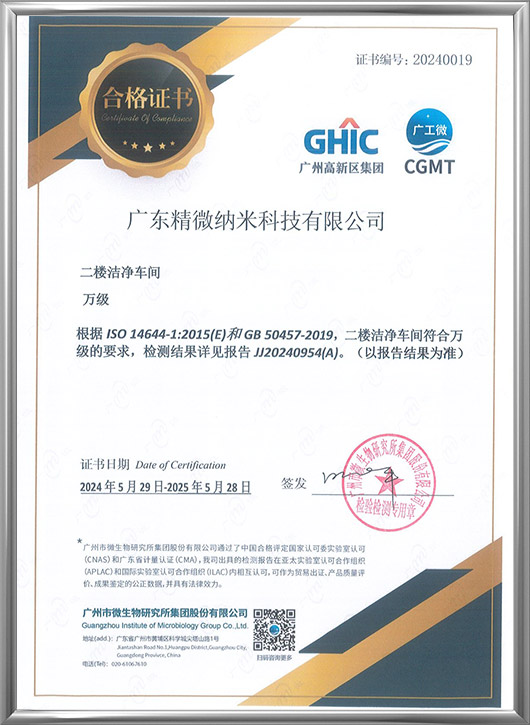
Class 10,000 cleanroom certification
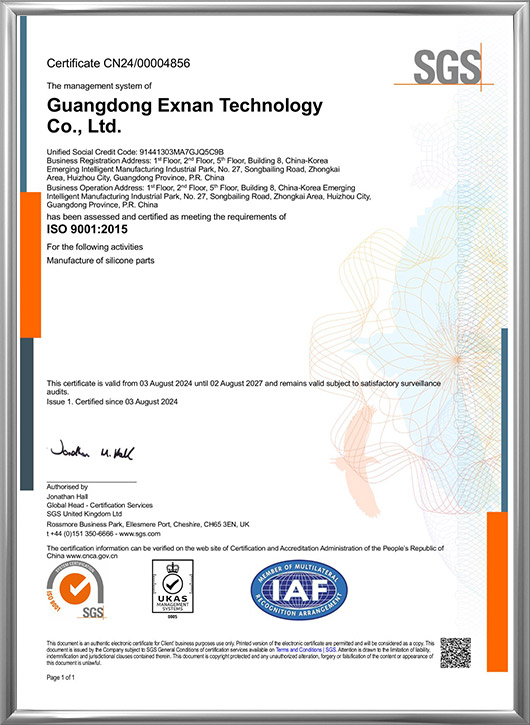
ISO 9001:2015
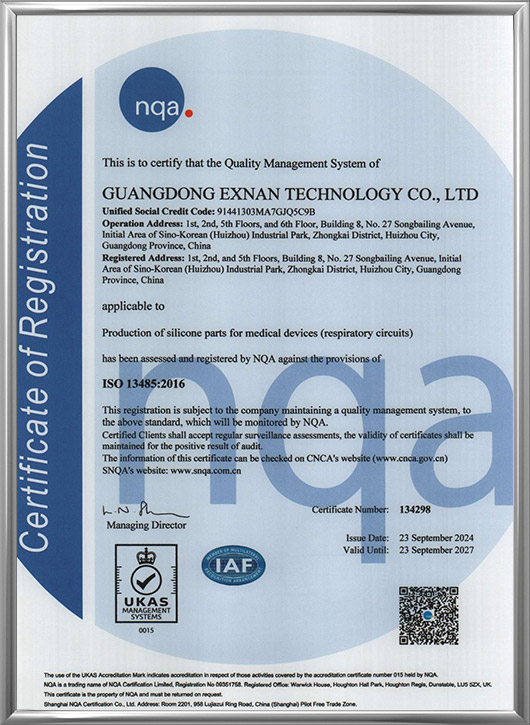
ISO 13485:2016
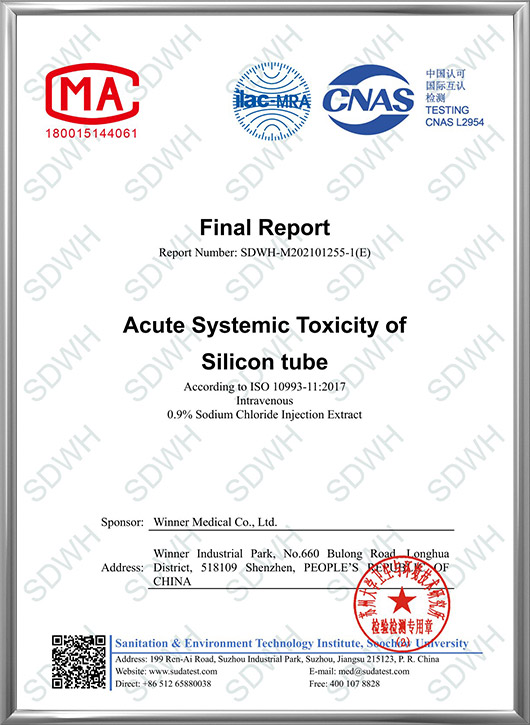
ISO 10993-11:2017 Tail vein injection
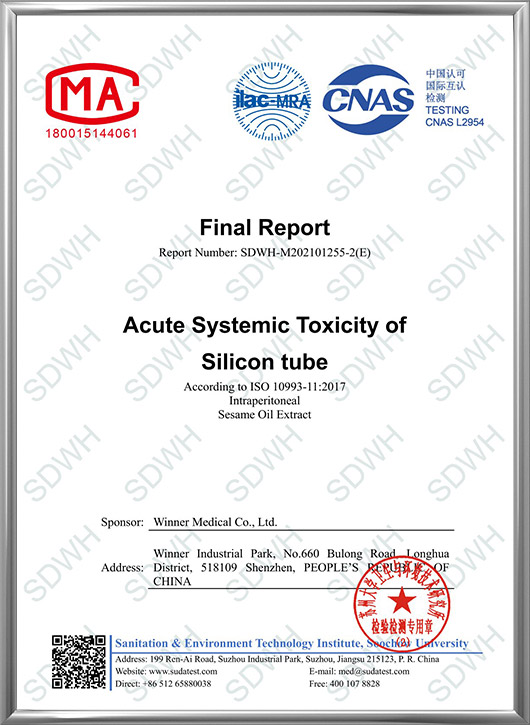
ISO 10993-11:2017 Intraperitoneal injection
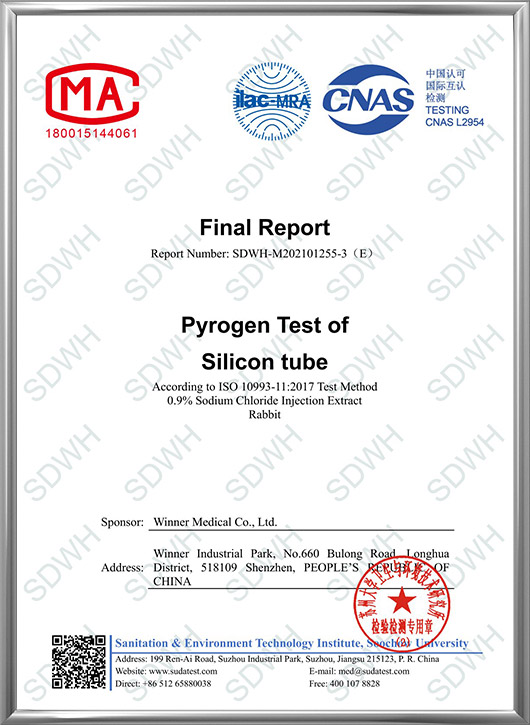
ISO 10993-11:2017 Pyrogens
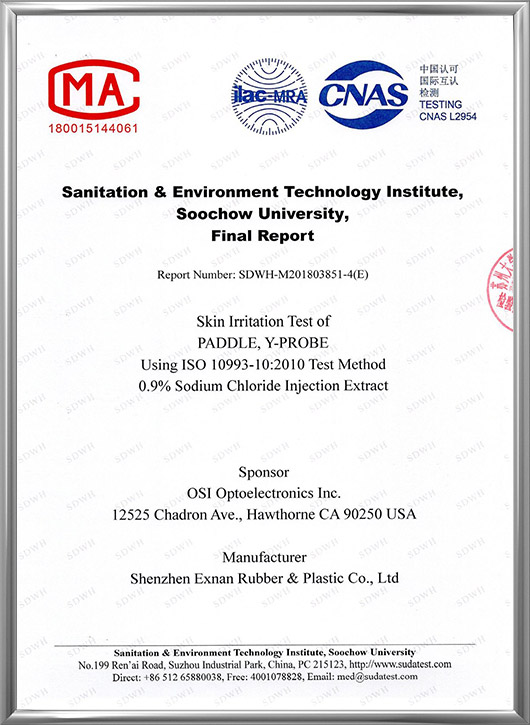
Skin irritation test for extract of 0.9% sodium chloride injection
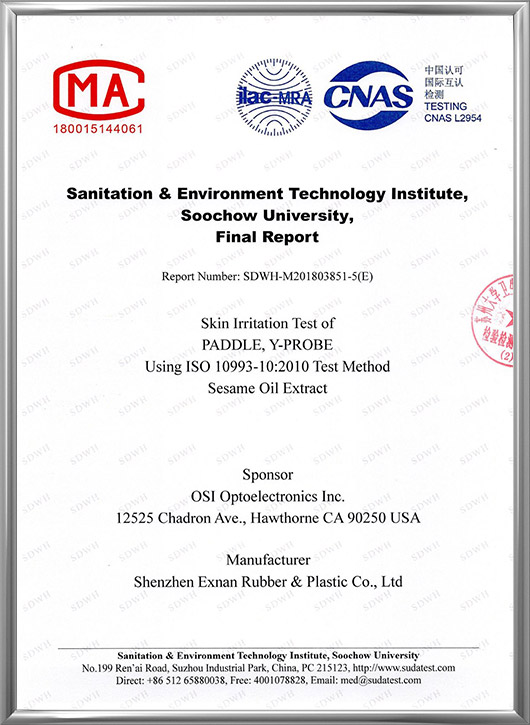
Skin irritation test for sesame oil extraction
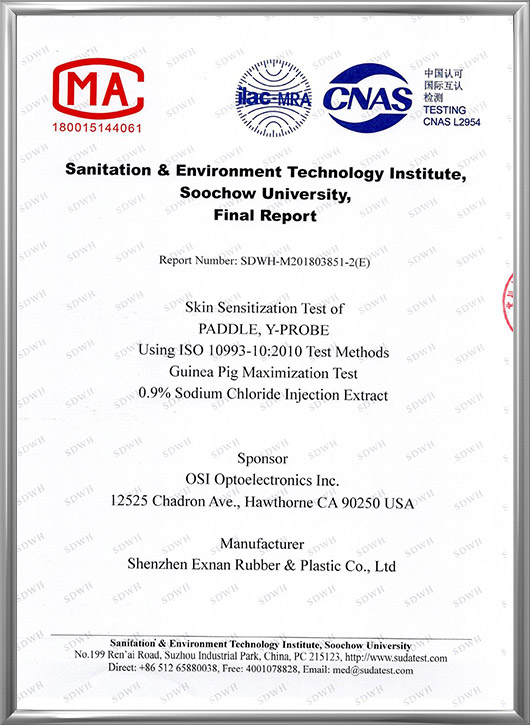
Skin sensitization test in guinea pigs using the maximization method with 0.9% sodium chloride injec
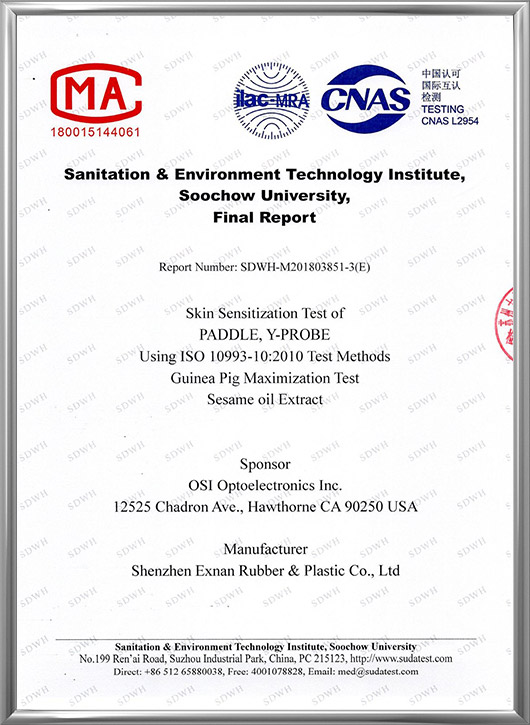
Skin sensitization test in guinea pigs:maximization method with sesame oil extraction
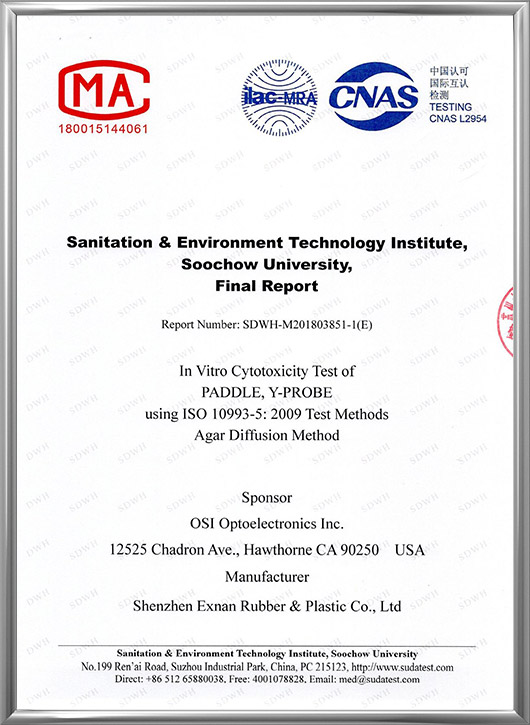
Cell toxicity test:agar diffusion method
Cooperating customers
Till now, Exnan products has been exports 35 countries, and more than 500 Medical equipment factory, health care companies, hospitals, clinics use our products, and win good reputation.



















New
Our silicone accessories meet international medical standards through strict quality control.
Ensure patient safety with our premium products. Explore our catalog today!
News
Our silicone accessories meet international medical standards through strict quality control.
Ensure patient safety with our premium products. Explore our catalog today!
Manufacturing Process and Quality Control for Medical Device Silicone Parts
Time: 2025-01-03 00:00:00
Author: Guangdong Exnan Technology Co.,Ltd
Click:
Hey there! If you're in the medical device manufacturing industry, you probably already know that silicone is a key material for many parts. But have you ever wondered about the entire manufacturing process and how to ensure that every single part meets the highest quality standards?

1. Introduction
Hey there! If you're in the medical device manufacturing industry, you probably already know that silicone is a key material for many parts. But have you ever wondered about the entire manufacturing process and how to ensure that every single part meets the highest quality standards? In this article, we’ll break it down for you, step by step, and share some best practices to keep your silicone parts top-notch. Let’s dive in!
1.1 Background on Medical Device Silicone Parts
Silicone might seem like just another material, but it’s actually pretty unique. Its biocompatibility, chemical resistance, and temperature stability make it a go-to choice for medical devices. From catheters to seals, silicone parts are everywhere, and they play a critical role in patient safety and device performance. You can learn more about the properties of silicone in medical devices here.
1.2 Purpose of the Article
Our goal is to give you a comprehensive guide on the manufacturing process and quality control for medical device silicone parts. Whether you’re a seasoned pro or new to the field, we’ve got you covered!
2. Overview of Silicone Materials in Medical Devices
2.1 Properties of Silicone
- Biocompatibility: Silicone is hypoallergenic and doesn’t react with biological tissues.
- Chemical Resistance: It withstands exposure to various chemicals without degrading.
- Temperature Stability: Silicone maintains its properties over a wide range of temperatures, from -50°C to 200°C.
2.2 Types of Silicone Used in Medical Devices
- Liquid Silicone Rubber (LSR): Perfect for complex, high-precision parts.
- High Consistency Rubber (HCR): Suitable for parts that require more structural integrity.
- Silicone Elastomers: Great for flexible and durable components.

3. Manufacturing Process for Medical Device Silicone Parts
3.1 Material Selection and Preparation
Choosing the right silicone material is crucial. You need to consider factors like the intended use, regulatory requirements, and manufacturing processes. Once you’ve picked the material, you’ll need to prepare it. This often involves mixing and degassing to ensure there are no air bubbles that could compromise the part’s quality.
3.2 Mold Design and Fabrication
A well-designed mold is the foundation of a successful manufacturing process. The mold should be precise, durable, and easy to clean. Materials like steel and aluminum are commonly used, and techniques like CNC machining and 3D printing can help you create intricate designs. Check out this video to see how EXNAN’s molds are fabricated.
3.3 Injection Molding
Injection molding is a popular method for producing silicone parts. Here’s a quick overview:
- Process Overview: The silicone is heated and then injected into the mold under high pressure.
- Parameters to Control: Temperature, pressure, and time are critical. Too high or too low can lead to defects.
3.4 Compression Molding
Compression molding is another method, especially useful for larger parts:
- Process Overview: The silicone is placed in a mold and then compressed to shape.
- Key Considerations: Molding pressure and cycle time are important to get right.
3.5 Post-Processing Steps
After the parts are molded, they go through several post-processing steps:
- Deflashing and Trimming: Removing any excess material.
- Sterilization Methods: Gamma radiation, ethylene oxide, or autoclaving to ensure the parts are safe for patients.
- Packaging and Labeling: Proper packaging and labeling to maintain the parts’ integrity and traceability.

4. Quality Control in Medical Device Silicone Parts Manufacturing
4.1 Importance of Quality Control
Quality control isn’t just a buzzword; it’s essential. You need to ensure that every part is safe for patients and meets regulatory standards. A single defect can lead to serious consequences.
4.2 Raw Material Inspection
Before you start, inspect your raw materials:
- Testing Methods: Use methods like Fourier Transform Infrared Spectroscopy (FTIR) to verify the material’s properties.
- Key Properties to Verify: Biocompatibility, purity, and consistency.
4.3 In-Process Monitoring
Keep an eye on your production line:
- Real-Time Monitoring Techniques: Use sensors and automated systems to track parameters like temperature and pressure.
- Common Defects and Their Causes: Air bubbles, uneven curing, and contamination are common issues. Knowing the causes helps you prevent them.
4.4 Final Product Inspection
Double-check your parts before they leave the factory:
- Visual and Dimensional Inspections: Use high-resolution cameras and coordinate measuring machines (CMMs).
- Mechanical and Physical Property Tests: Tensile strength, elongation, and other tests ensure the parts are strong and durable.
- Biocompatibility Testing: Essential to confirm the parts are safe for patient contact.
4.5 Documentation and Traceability
Keep detailed records:
- Maintaining Detailed Records: Document every step of the process.
- Ensuring Traceability: Track each part from raw material to finished product.

5. Regulatory Compliance and Standards
5.1 Key Regulatory Guidelines
- FDA Quality System Regulation (QSR): Ensure your processes meet the FDA’s stringent requirements.
- ISO 13485:2016: A quality management standard specific to medical devices.
- European Union Medical Device Regulation (MDR): Compliance is required for selling in the EU.
5.2 Compliance Strategies
- Implementing a Robust Quality Management System (QMS): A QMS helps you stay organized and compliant.
- Conducting Regular Audits and Inspections: Regular checks help you catch issues early.
- Training and Certification for Employees: Educate your team on the latest regulations and best practices.
6. Best Practices for Ensuring Quality in Silicone Medical Devices
6.1 Design for Manufacturability (DFM)
DFM is all about designing parts that are easy to manufacture:
- Principles of DFM: Simplify designs, use standardized processes, and minimize material waste.
- Case Studies and Examples: See how EXNAN’s DFM principles have led to more efficient and high-quality parts.
6.2 Process Validation
Validation is the key to consistent quality:
- Steps in Process Validation: Establish, qualify, and verify each step in the manufacturing process.
- Importance of Validation: Ensures that your process consistently produces parts that meet your specifications.
6.3 Risk Management
Identify and mitigate risks:
- Identifying Potential Risks: Use tools like FMEA (Failure Modes and Effects Analysis) to identify risks.
- Mitigating Risks: Implement corrective actions to prevent issues before they happen.
7. Case Studies and Real-World Examples
7.1 Successful Implementation of QMS in Silicone Part Manufacturing
EXNAN, a leading medical device manufacturer, implemented a robust QMS:
- Company Profile: EXNAN’s focus on quality and innovation.
- Challenges Faced: Initial resistance from employees and the need for new equipment.
- Solutions Implemented: Comprehensive training programs and investments in advanced technology.
- Outcomes and Benefits: Significant reduction in defects and improved customer satisfaction.
7.2 Common Quality Issues and How to Avoid Them
A common issue in silicone part manufacturing is air bubbles:
- Case Study of Quality Issues: A company experienced repeated failures due to air bubbles.
- Root Cause Analysis: The issue was traced to improper mixing of the silicone material.
- Corrective Actions: Improved mixing techniques and added quality checks.
8. Future Trends in Silicone Medical Device Manufacturing
8.1 Technological Advancements
New technologies are changing the game:
- New Materials and Manufacturing Techniques: Biodegradable silicones and 3D printing.
- Automation and Robotics: Automated inspection systems and robotic assembly lines.
8.2 Regulatory Changes
Stay ahead of the curve:
- Upcoming Changes in Medical Device Regulations: New FDA guidelines and EU MDR updates.
- How to Stay Compliant and Ahead of the Curve: Regular training, staying informed, and continuous improvement.
9. Conclusion
9.1 Summary of Key Points
- Manufacturing Process Overview: From material selection to post-processing.
- Quality Control Importance and Methods: Inspections, testing, and documentation.
- Regulatory Compliance and Best Practices: QMS, audits, and training.
9.2 Final Thoughts
Continuous improvement is key. By prioritizing quality and compliance, you can ensure that your medical device silicone parts are safe and reliable. Companies like EXNAN are leading the way with innovative solutions and best practices.
10. References
- Silicone Industries: Properties of Silicone in Medical Devices
- FDA: Quality System Regulation (QSR)
- European Commission: Medical Device Regulation (MDR)
11. Appendices
11.1 Glossary of Terms
- Biocompatibility: The ability of a material to perform with an appropriate host response in a specific application.
- FTIR: Fourier Transform Infrared Spectroscopy, a method for identifying chemical substances.
- QMS: Quality Management System, a framework for managing quality in manufacturing.
- FMEA: Failure Modes and Effects Analysis, a tool for identifying and mitigating risks.
11.2 Additional Resources
- EXNAN’s Whitepaper on Silicone Medical Device Manufacturing

点击右上角
分享给朋友吧







 Long by picture save/share
0
Prev : How to Select High-Quality Silicone Parts for Medical Devices
Next : Latest Innovations and Technological Advances in Medical Device Silicone Parts
文章推荐
Silicone Parts Fail After Sterilization: 5 Proven Fixes
Medical Silicone vs. TPE/TPU: Why Is Silicone Still the Preferred Material for Medical Consumables?
Medical Silicone Mold Design: The First Gateway to Product Precision
New Requirements of ISO13485:2016 for Medical Silicone Suppliers
Medical Silicone Consumables Market Sees New Growth: Respiratory Equipment Drives Demand for Precision Components
Related news recommendations —
Related Products —




News Products —
INQUIRY


Add Successfully

Hey there, I’m Steve!
15+ years in medical silicone accessories, linking manufacturers and healthcare providers for compliant, high-quality products. Trusted advisor focused on innovation and patient care. If you are looking for custom-made silicone rubber products, feel free to ask me any questions.
Hey there, I’m Steve!
15+ years in medical silicone accessories, linking manufacturers and healthcare providers for compliant, high-quality products. Trusted advisor focused on innovation and patient care. If you are looking for custom-made silicone rubber products, feel free to ask me any questions.
Welcome to contact us
If you have any questions, please fill in the relevant information. Weare very willing to provide more information and a full range ofservices for both you and your company
Welcome to contact us
If you have any questions, please fill in the relevant information. Weare very willing to provide more information and a full range ofservices for both you and your company
EXNAN
点击右上角
分享给朋友吧
Copyright © 2004-2024 Guangdong Exnan Technology Co.,Ltd
点击右上角
分享给朋友吧
Copyright © 2004-2024 Guangdong Exnan Technology Co.,Ltd

 +86-0752-3869959 / 3869960
 +86 180 0752 8206
 Building 8, China-Korea Emerging Intelligent Manufacturing Industrial Park, No.27, Songbailing Road, China-Korea (Huizhou) Industrial Park, Zhongkai Area, Huizhou City, Guangdong Province, China

WeChat scan
