

Contact Us
lf you have any queries, get in touch today! Don't hesitate, We try to take the extra step forour customer satisfaction.
"
Our certificate
Possess 800 square meters of Class 10,000 dust-free workshop, Passed ISO9001:2015 quality management system certification and ISO13485:2016 medical device quality management system, and its products have obtained multiple biocompatibility tests, US FDA and EU LFGB certifications.
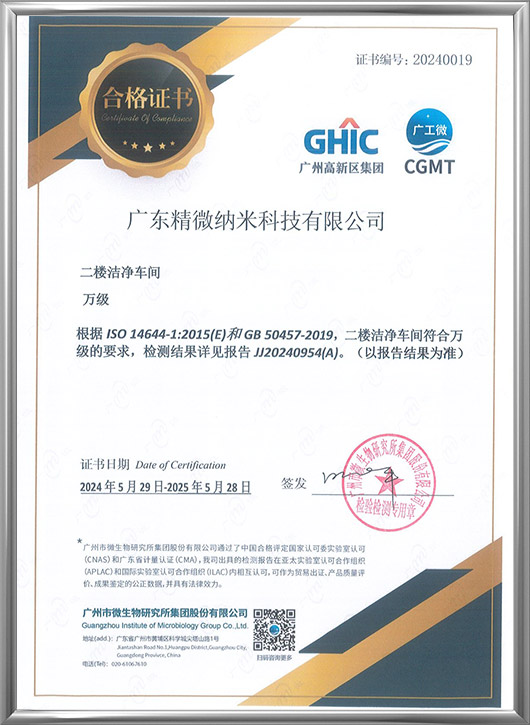
Class 10,000 cleanroom certification
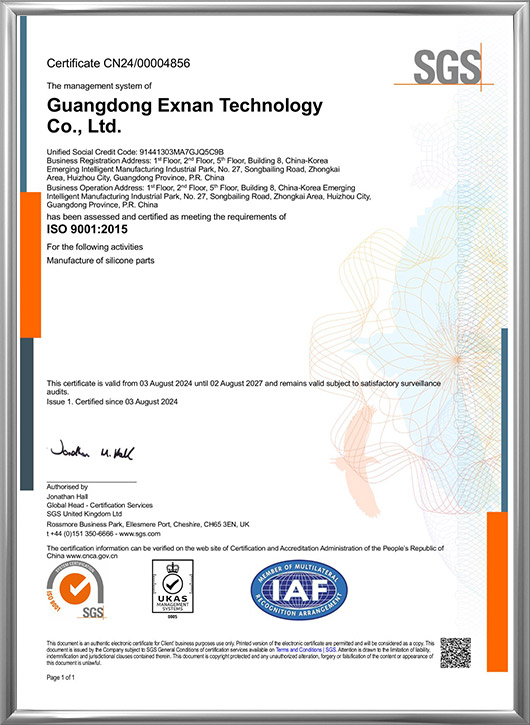
ISO 9001:2015
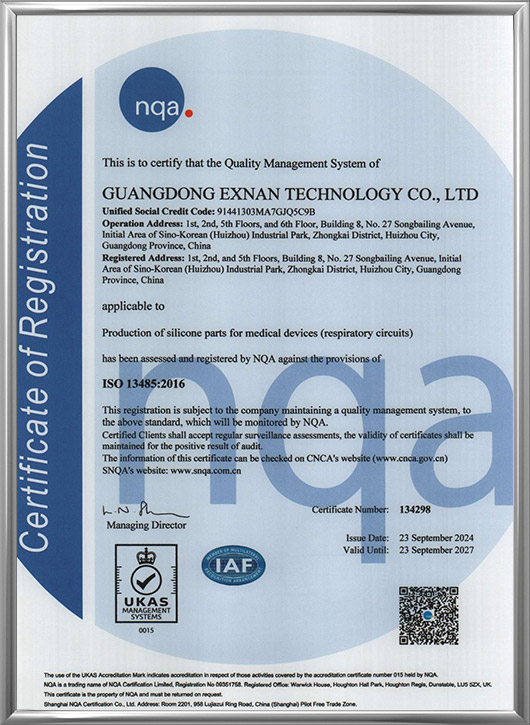
ISO 13485:2016
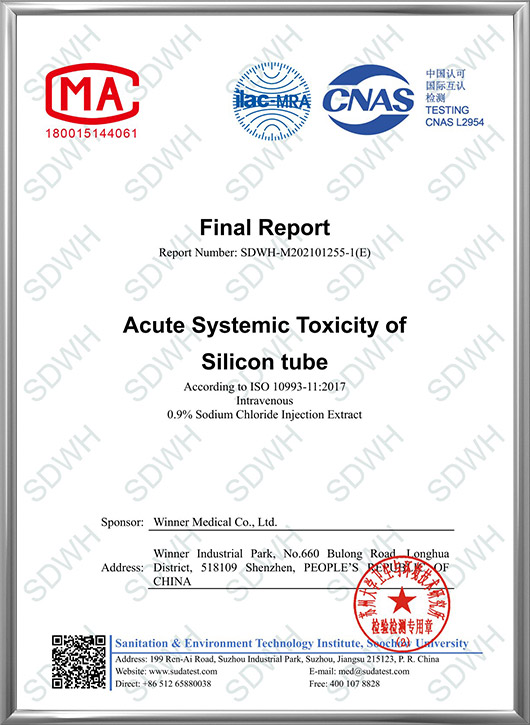
ISO 10993-11:2017 Tail vein injection
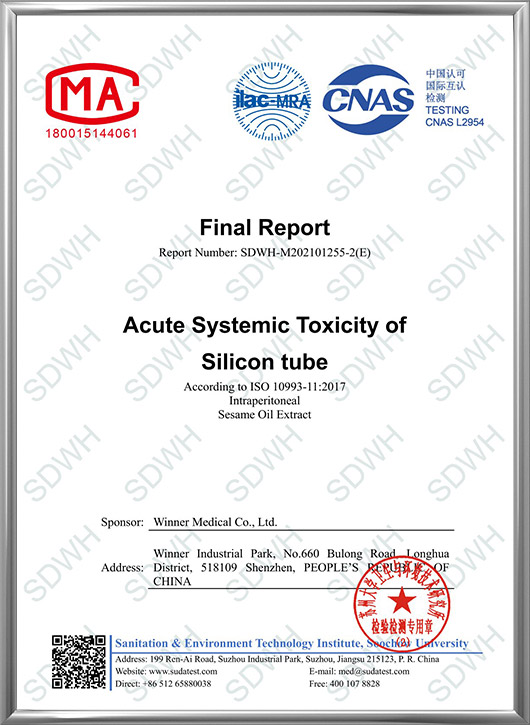
ISO 10993-11:2017 Intraperitoneal injection
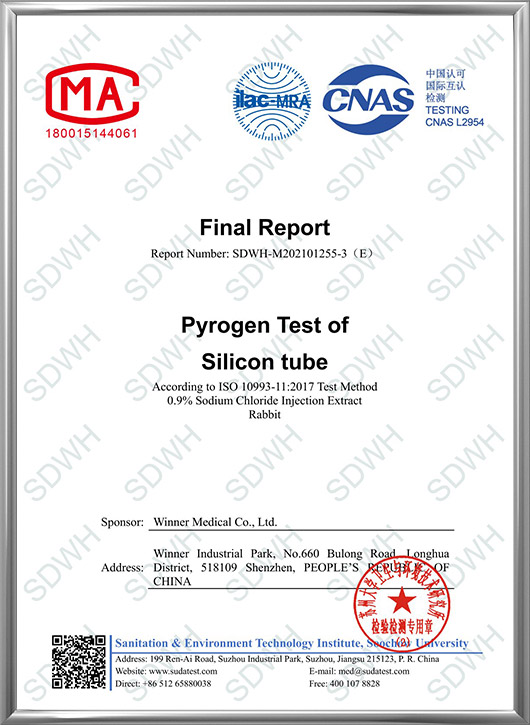
ISO 10993-11:2017 Pyrogens
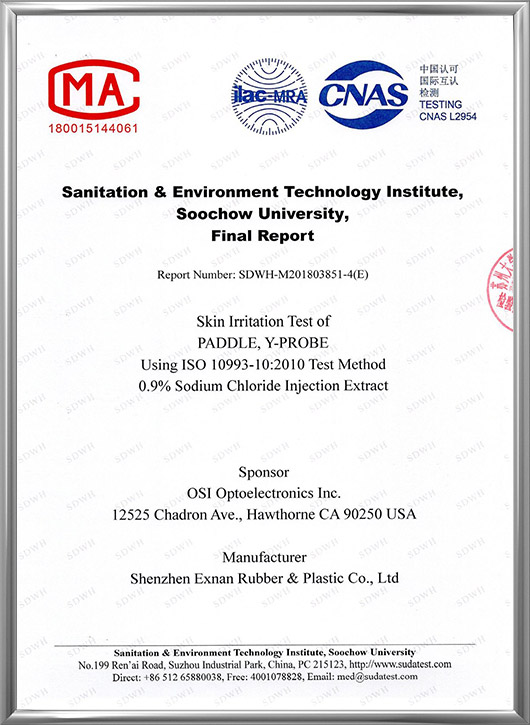
Skin irritation test for extract of 0.9% sodium chloride injection
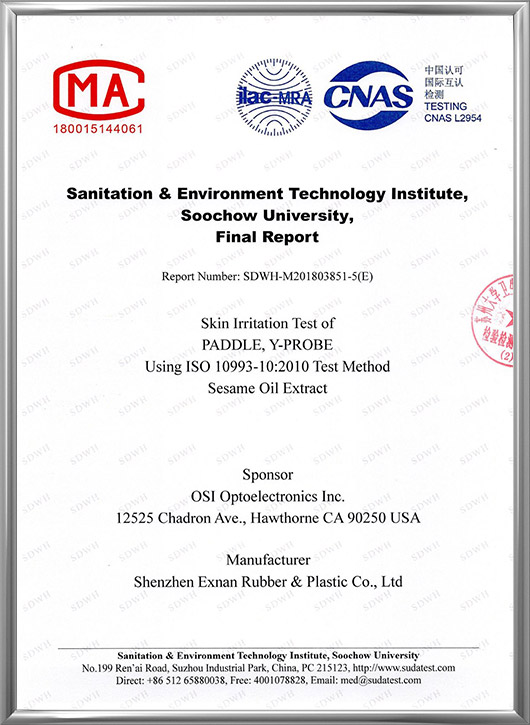
Skin irritation test for sesame oil extraction
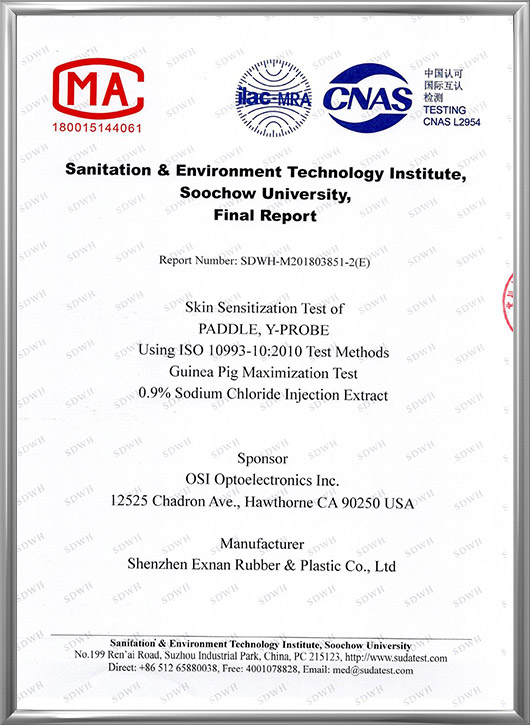
Skin sensitization test in guinea pigs using the maximization method with 0.9% sodium chloride injec
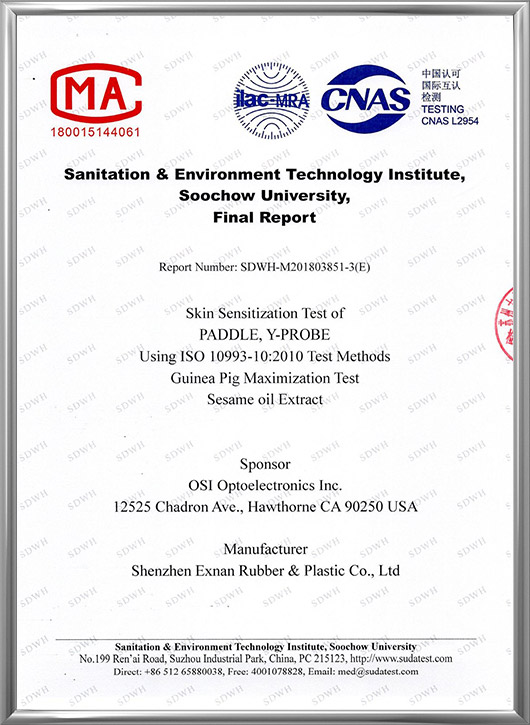
Skin sensitization test in guinea pigs:maximization method with sesame oil extraction
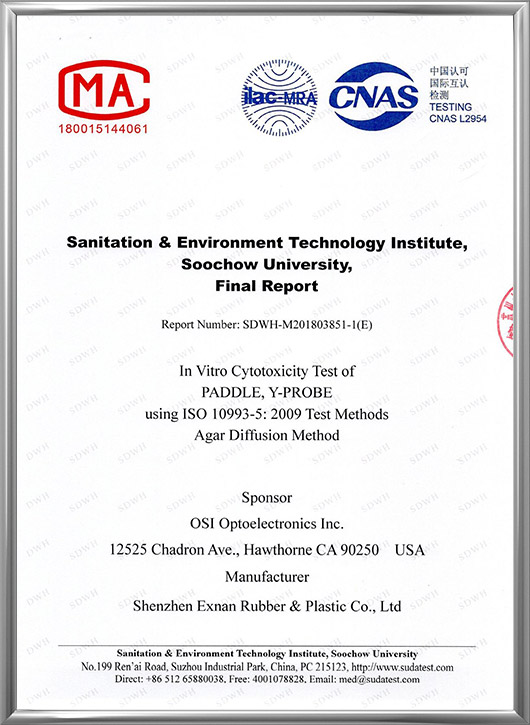
Cell toxicity test:agar diffusion method
Cooperating customers
Till now, Exnan products has been exports 35 countries, and more than 500 Medical equipment factory, health care companies, hospitals, clinics use our products, and win good reputation.











Services
Our silicone accessories meet international medical standards through strict quality control.
Ensure patient safety with our premium products. Explore our catalog today!
Services
Our silicone accessories meet international medical standards through strict quality control.
Ensure patient safety with our premium products. Explore our catalog today!

—
Questions and answers about the product
Here you may find solutions or answers to related questions

Round stingray Atlantic silverside

Baikal oilfish flagfin sturgeon Atlantic

Baikal oilfish flagfin sturgeon Atlantic

Leading builders of new material platforms
-
Q Which industries use silicon?
A Silicon is primarily utilized in the electronics industry for manufacturing semiconductors and integrated circuits. While elemental silicon has key uses in electronics and metallurgy, many industrial applications involve its derivatives like silicones or silica. Electronics: Semiconductors, solar cells, integrated circuits. Metallurgy: Alloying agent (e.g., aluminum-silicon alloys). Construction: Silica (sand) in concrete, glass, ceramics. Chemicals: Production of silicones and silanes. Photovol
-
Q What is the difference between HTV and LSR silicone?
A HTV silicone is typically specified for applications demanding high drinking water purity or specific food-contact approvals. LSR (Liquid Silicone Rubber), while also suitable for high food quality requirements, excels in scenarios needing superior mechanical performance; tear resistance is a prime example of its advantage.
-
Q How to know if silicone is high quality?
A Assess Visual & Tactile Features. Premium silicone typically exhibits a smooth, consistent surface free from blemishes, air pockets, or irregularities. It should feel uniformly soft and pliable to the touch.
-
Q What is the difference between food grade and medical-grade silicone?
A While both are safe for their intended uses, medical-grade silicone undergoes stricter testing and refinement for biocompatibility within the body. Food-grade silicone is approved for food contact but doesn't meet the biological compatibility requirements for medical applications.
-
Q What is considered medical-grade silicone?
A Medical-grade silicone refers to a synthetic, non-toxic, and inert elastomer. To earn this designation, it must pass rigorous biocompatibility assessments confirming its **safety and stability during prolonged interaction with bodily tissues and fluids.
-
Q How do you manufacture silicone parts?
A Silicone parts are most often produced using injection molding. This process injects liquid silicone rubber (LSR) under high pressure into a mold. Due to the material's thermosetting properties, thorough distributive mixing is essential. This high-volume method yields flexible and long-lasting parts.
-
Q Why is silicone used in medical devices?
A ilicone is often chosen for medical devices because it is biocompatible, chemically inert, non-toxic, flexible, and translucent. It also lacks odor or taste. Furthermore, silicones can be easily sterilized using various methods, ensuring safety in healthcare environments. This combination makes them suitable for disposable items like many catheters and tubing.
-
Q What are the benefits of medical-grade silicone?
A Silicone advantage in medical High stability in adverse temperatures and resistance to chemical and thermal degradation. Conformable and soft to the touch. Superior hydrophobicity offers lubricious coating for syringes and surgical tools. Exceptional water repellency to ensure bacterial resistance.
-
Q Is silicone cheap to produce?
A Producing silicone is costly due to significant production expenses. Creating its key component, silica (derived from sand), involves an expensive, time-consuming, and energy-intensive process requiring specialized equipment.
-
Q How is silicone graded?
A Silicone rubbers are categorized by their intended purpose. Common grades include Food Grade (kitchen utensils like spatulas and cake molds), Medical Grade (healthcare products such as tubing/catheters), Industrial Grade (machinery parts and seals), and Flame Retardant Grade (where fire resistance is essential).
-
Q How do you make silicone more durable?
A Plasticizers, commonly incorporated into silicone rubber, enhance flexibility and durability by reducing its glass transition temperature (Tg). This results in increased pliability and resistance to cracking or tearing.
-
Q How to conduct an ISO 13485 audit?
A Key phases for conducting an ISO 13485 internal audit: 1. Develop documented procedures for internal audits. 2. Create and maintain a program specifying the audit schedule. 3. Execute the audits according to the established plan. 4. Maintain documented evidence of both the audit plan and its execution. 5. Implement corrections to address identified nonconformities and eliminate their root causes. 6. Verify the effectiveness of the actions taken to resolve nonconformities.
-
Q What is the difference between RoHS compliant and REACH?
A Gamma radiation can sterilize objects sealed in impermeable packaging because it penetrates deeply.
-
Q What is the difference between RoHS compliant and REACH?
A RoHS targets 10 specific hazardous substances (like lead and mercury) within electrical and electronic equipment. REACH, in contrast, is a comprehensive regulation governing the manufacture, import, sale, and use of all chemical substances across industries within the EU.
-
Q Is thermoplastic elastomer better than silicone?
A Both silicone and TPE exhibit strong resistance to aging and weathering. However, TPE generally offers superior abrasion resistance, tear strength, and resistance to solvents. Silicone excels in electrical insulation and water repellency.
-
Q What is the best alternative to silicone?
A Polyurethanes are commonly used for horizontal joints or vertical applications requiring non-sagging performance, available in both single- and multi-component formulations. To determine if a polyurethane sealant can directly replace silicone in a specific scenario, seek guidance from a technical specialist to ensure optimal selection.
-
Q What are the benefits of closed-loop recycling?
A This approach minimizes reliance on virgin resources, such as fossil fuels for plastic production, while lowering environmental harm. It achieves this by diverting materials from landfills and curbing pollution. The core principle is enabling indefinite reuse of base materials (e.g., glass, plastic), thereby maintaining a circular lifecycle.
-
Q What is the price of medical grade silicone in India?
A Medical Grade Silicone Rubber at ₹ 370/kg | Silicone Rubber in Mumbai | ID: 22279162488.
-
Q How to avoid cross contamination in PCR
A To prevent cross contamination in PCR, prepare the PCR master mix in one room and add the template in a different room to ensure the clean room remains uncontaminated. Whenever possible, use a benchtop hood to prepare components, as it reduces the risk of contamination and is easy to decontaminate if necessary.
-
Q What causes silicone contamination?
A Silicone contamination can originate from various sources such as mold release agents, tapes, lubricating oils, and silicone-based adhesives or sealants. Even trace amounts of these substances—often undetectable without specialized testing—can severely disrupt the performance of adhesives, coatings, and other systems.
—
Questions and answers about the product
Here you may find solutions or answers to related questions
-
Q Silicone Parts Fail After Sterilization: 5 Proven Fixes
A Silicone is chosen for medical components because it survives sterilization—but "survives" doesn't mean "unchanged." In fact, silicone parts fail after sterilization more often than most engineers expect, not because the material is wrong, but because the design didn't account for what sterilization does over time. Autoclave, gamma, EtO, and electron beam each affect silicone differently: hardness shifts, compression set increases, elasticity drops, and surface properties change. When the design
-
Q Medical Silicone vs. TPE/TPU: Why Is Silicone Still the Preferred Material for Medical Consumables?
A Medical silicone, TPE, and TPU are common elastomers for medical consumables. Silicone offers the widest temperature range (-50°C~250°C), withstands repeated steam sterilization, excels in aging resistance, features extremely low extractables, and provides the best biocompatibility for high-end consumables with prolonged body contact. TPE is low-cost but lacks heat and chemical resistance; TPU has high strength but hydrolyzes in humid heat. In comprehensive comparison, silicone remains the prefe
-
Q Medical Silicone Mold Design: The First Gateway to Product Precision
A The precision and quality of medical silicone components heavily depend on mold design. LSR molding imposes special requirements for cold runners, precision venting, uniform temperature control, and demolding structures. Needle-valve cold runners reduce waste; venting grooves and vacuum assistance prevent trapped air; multi-zone temperature control ensures consistent curing; and proper ejectors or sliders avoid tearing. Stainless steel molds with anti-stick coatings extend life. High-precision m
-
Q New Requirements of ISO13485:2016 for Medical Silicone Suppliers
A The upgrade to ISO13485:2016 imposes higher requirements on medical silicone suppliers: risk management, process validation, full traceability, and clean environment control. Biocompatibility reports (e.g., ISO10993) are required for materials, and production parameters must be documented. Suppliers need a controlled documentation system and must accept customer audits. Companies with independent cleanrooms, precision testing equipment, and training systems gain competitive advantages. Guangdong
-
Q Medical Silicone Consumables Market Sees New Growth: Respiratory Equipment Drives Demand for Precision Components
A Growing demand for respiratory medical devices is driving rapid expansion of the medical silicone consumables market. Silicone is the preferred material for masks, seals, and other components due to its biocompatibility, sterilization resistance, and softness. The global medical silicone market is expected to exceed USD 10 billion by 2027, with Asia-Pacific leveraging manufacturing advantages. Medical-grade products require strict control over cleanliness, precision, and batch consistency. Leadi
-
Q From Concept to Compliant Mass Production – EXNAN’s One‑Stop Custom Implantable Silicone Components Service
A EXNAN provides one‑stop custom silicone component services for short‑term (≤29 days), medium‑term (29–365 days), and long‑term (>365 days) implantable devices. We manage the entire workflow: design, material selection, tooling, process validation, volume production, sterilization, and packaging. For each implant duration, we optimize aging resistance, low leachables, easy removal, or permanent stability accordingly. Production takes place in a Class 10,000 cleanroom under ISO 13485 with full
-
Q LSR Liquid Silicone Rubber – Driving the Precision Manufacturing Transformation in Medical Components
A LSR (Liquid Silicone Rubber) is transforming medical component manufacturing. Growing at 10.07% CAGR, the LSR market reached $3.71B in 2025 and accelerates as device miniaturization demands high-precision, flash-free parts. LSR injection molding enables automated cycles of seconds, ideal for multi-lumen manifolds, thin-wall seals, and drug delivery systems. Recent launches: DuPont Liveo™ C6-8XX (USP Class VI, EtO/gamma compatible) and Momentive Silopren™ LSR 4000 (micro-molding optimized). With
-
Q Without Post-Curing, Would You Use This Silicone Part in a Medical Device?
A Post-curing is an essential step in medical silicone manufacturing that cannot be skipped. Without it, residual unreacted substances and low-molecular-weight cyclics can cause leachable contamination, cytotoxicity failure, performance drift, and odor. Buyers should verify post-curing by reviewing batch records, smell testing, requesting data, and on-site audits. Post-curing is a fundamental requirement for medical-grade quality.
-
Q EXNAN: The Precision Silicone Partner Trusted by Implantable Device Manufacturers
A The global implantable silicone components market is expanding rapidly. Manufacturers require suppliers with proven quality systems, biocompatibility certification, and precise manufacturing capabilities. EXNAN has become a preferred partner for implantable silicone part producers, offering custom OEM solutions for critical applications such as implantable port sealing plugs and base assemblies. With over 20 years of engineering experience, a 10+ year production quality team, and in-house testin
-
Q Why Customization Is the Future of Medical Silicone Components – And Why Off-the-Shelf Parts Are Losing Ground
A Off-the-shelf silicone parts hide risks in performance, compliance, and total cost. Medical devices need precision – not “almost.” Custom-engineered components fit your design exactly, ensure full biocompatibility documentation (ISO 10993, FDA MAF), and reduce assembly defects. Customization turns a simple part into a strategic asset. For medical device manufacturers, it is no longer a luxury – it is a necessity.
-
Q 5 Core Properties of Medical-Grade Silicone: Why It’s the Preferred Material for Medical Devices
A As the preferred material for medical devices, medical-grade silicone features excellent biocompatibility, sterilization resistance, high elasticity and precision customization capability, complying with strict standards such as USP Class VI and ISO 10993. We specialize in high-end custom medical silicone components, produced via platinum-cured process and ISO 13485 system, providing safe, compliant and high-precision silicone solutions for minimally invasive devices and respiratory equipment.
-
Q Liquid Medical Silicone | Market Trends & Material Innovation 2026
A Liquid silicone rubber (LSR) is increasingly used for precision medical components. The global LSR market is projected to grow from USD 3.71 billion (2025) to USD 8.80 billion by 2034 (CAGR 10.07%), driven by minimally invasive devices, drug delivery, and wearables. Material innovations include self-adhesive, self-lubricating, and emerging self-healing LSR — expanding possibilities for implantable and long-term drug delivery applications.
-
Q Review of China’s Domestic Customized Medical Ventilator Silicone Mask Manufacturers: Focus on Exnan
A Medical ventilator silicone masks are core components of respiratory support equipment, directly contacting the human respiratory tract and skin. Their safety, biocompatibility, airtightness and customization capability are crucial to clinical use and patient comfort. With the rapid development of China’s medical device industry, a number of domestic manufacturers specializing in customized medical ventilator silicone masks have emerged, each with its own advantages in technology, production cap
-
Q Evaluation of Custom Medical Silicone Ventilator Mask Manufacturers in China
A In the rapidly evolving global medical device market, China has emerged as a pivotal manufacturing hub for high-quality medical-grade silicone products, particularly custom silicone ventilator masks. These critical components demand exceptional biocompatibility, sealing precision, comfort, and regulatory compliance. This evaluation assesses key domestic manufacturers, with a focus on EXNAN—a leading professional medical-grade silicone custom source factory with 20 years of expertise. The analysi
-
Q Visit Us at MEDICA 2025: Booth 5F13 for Precision Medical Silicone Solutions
A Join us at MEDICA 2025 (Düsseldorf, November 17-20) at Hall 5 International
-
Q Custom Medical Silicone Accessories: Precision, Durability, and Compliance (Your Secret Weapon Inside)
A Hey medical device innovators across Europe and the US – we need to talk. Ever felt like your device is brilliant, but a critical seal, gasket, or tubing component keeps letting you down? Maybe it's failing biocompatibility tests, cracking during sterilization, or just doesn’t quite fit the way your CAD model promised?
-
Q Stop Leaks Before They Start: Custom Silicone Seals for Smarter Medical Devices
A "One leaky seal can cost $500k in recalls. Let’s fix that." (Real data from FDA recall databases)
-
Q Cost-Effective Custom Silicone Solutions for Medical Devices: From Prototypes to Mass Production
A Hey there, medical device innovators! Let’s talk about a material that's quietly revolutionizing your industry: medical-grade silicone. If you’re designing anything from wearable sensors to surgical tools, you already know that material choice can make or break your product.
-
Q Which industries use silicon?
A Silicon is primarily utilized in the electronics industry for manufacturing semiconductors and integrated circuits. While elemental silicon has key uses in electronics and metallurgy, many industrial applications involve its derivatives like silicones or silica. Electronics: Semiconductors, solar cells, integrated circuits. Metallurgy: Alloying agent (e.g., aluminum-silicon alloys). Construction: Silica (sand) in concrete, glass, ceramics. Chemicals: Production of silicones and silanes. Photovol
-
Q 10 Ground - breaking Medical Applications Revolutionized by Precision Silicone Components
A Hey there! If you're in the business of designing catheters or surgical tools, you're all too familiar with these headaches: - That gut - wrenching moment when thermoplastic cracks after just 3 autoclave cycles? - The sheer panic when seal failures lead to fluid leaks during life - critical procedures? - The endless frustration of biocompatibility reports holding up your FDA 510(k) approval for months?
Welcome to contact us
If you have any questions, please fill in the relevant information. Weare very willing to provide more information and a full range ofservices for both you and your company
Welcome to contact us
If you have any questions, please fill in the relevant information. Weare very willing to provide more information and a full range ofservices for both you and your company
EXNAN

点击右上角
分享给朋友吧
Copyright © 2004-2024 Guangdong Exnan Technology Co.,Ltd
点击右上角
分享给朋友吧
Copyright © 2004-2024 Guangdong Exnan Technology Co.,Ltd

 +86-0752-3869959 / 3869960
 +86 180 0752 8206
 Building 8, China-Korea Emerging Intelligent Manufacturing Industrial Park, No.27, Songbailing Road, China-Korea (Huizhou) Industrial Park, Zhongkai Area, Huizhou City, Guangdong Province, China

WeChat scan
