

Contact Us
lf you have any queries, get in touch today! Don't hesitate, We try to take the extra step forour customer satisfaction.

Hey there, I’m Steve!
I’m the sales manager of exnan medical silicone. I have been in this field for more than ten years. If you are looking for custom-made silicone rubber products, feel free to ask me any questions.
"
Our certificate
Possess 800 square meters of Class 10,000 dust-free workshop, Passed ISO9001:2015 quality management system certification and ISO13485:2016 medical device quality management system, and its products have obtained multiple biocompatibility tests, US FDA and EU LFGB certifications.
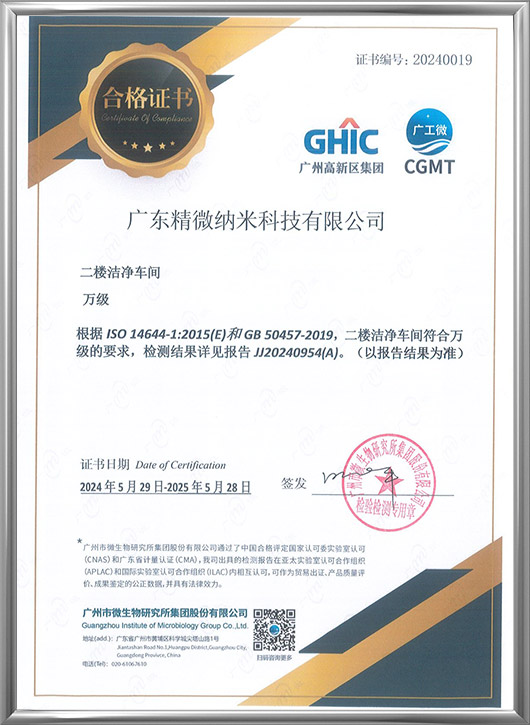
Class 10,000 cleanroom certification
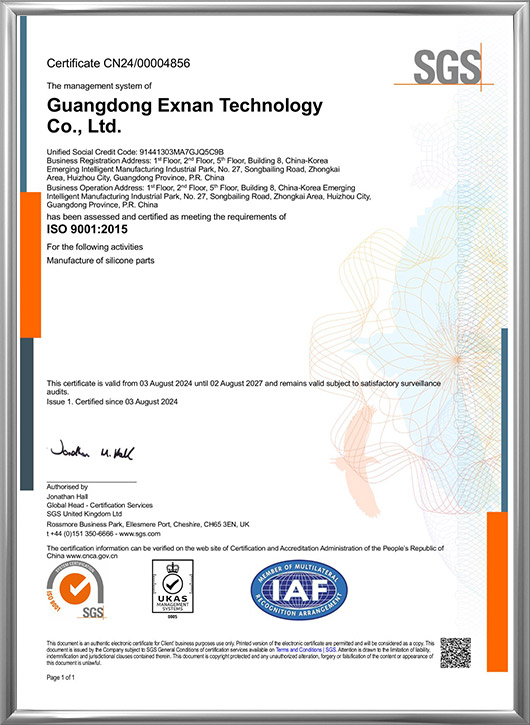
ISO 9001:2015
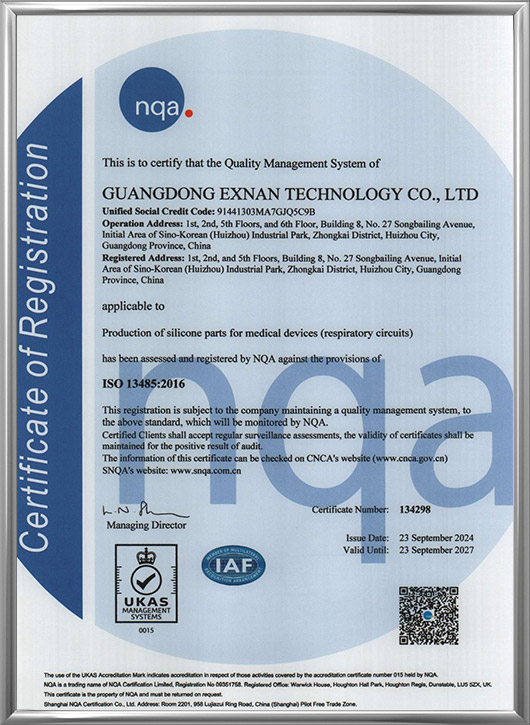
ISO 13485:2016
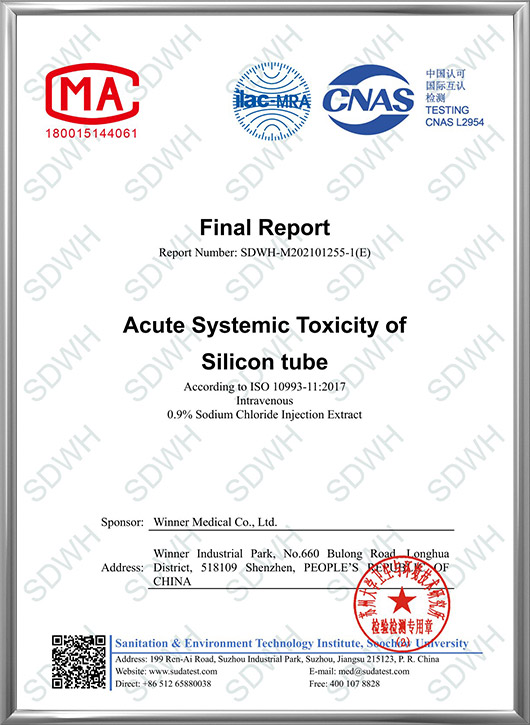
ISO 10993-11:2017 Tail vein injection
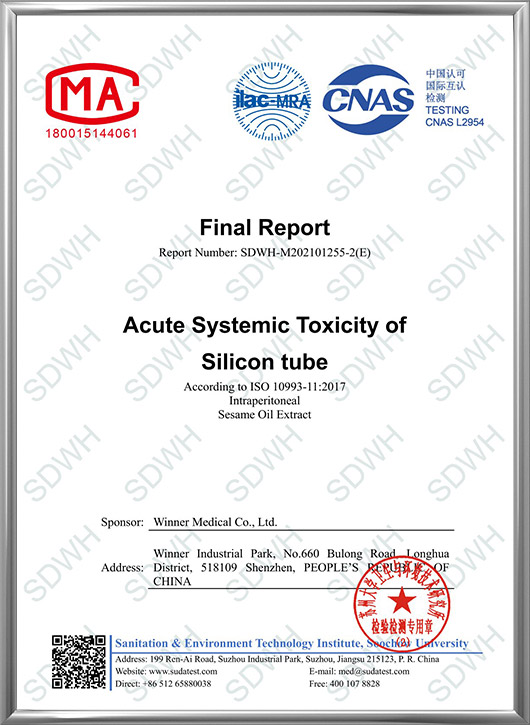
ISO 10993-11:2017 Intraperitoneal injection
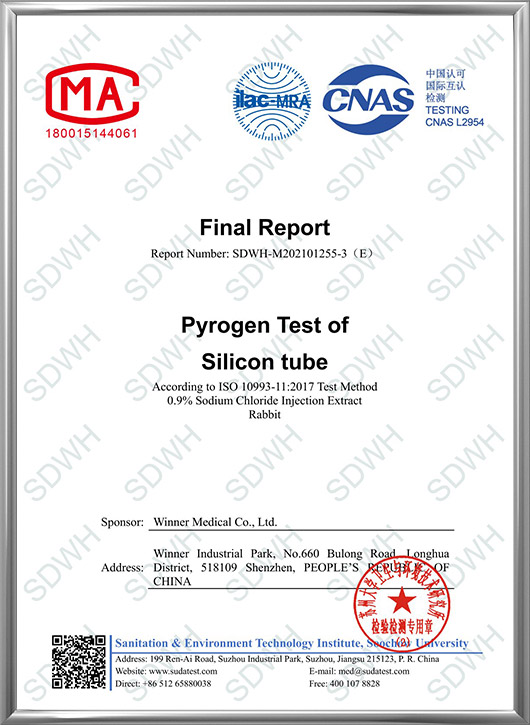
ISO 10993-11:2017 Pyrogens
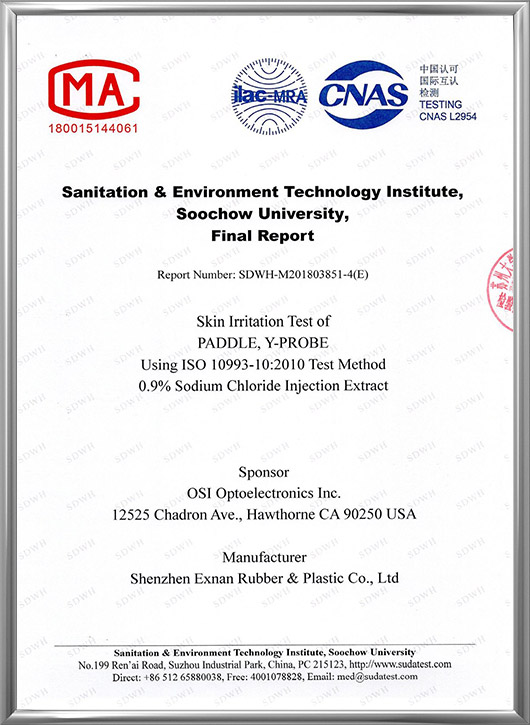
Skin irritation test for extract of 0.9% sodium chloride injection
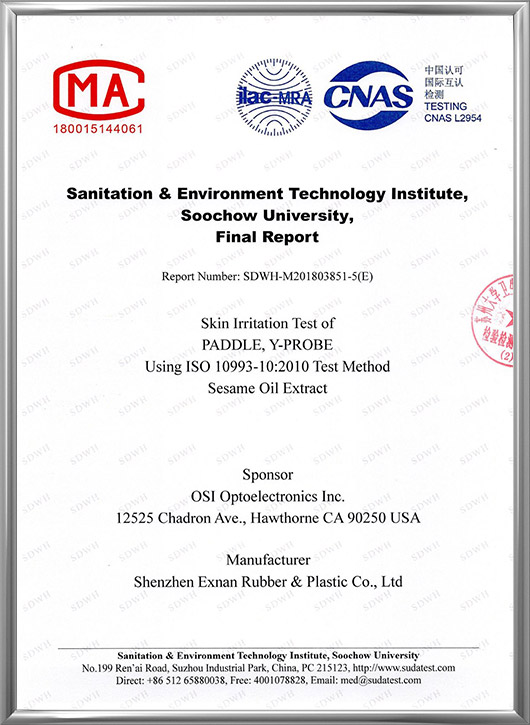
Skin irritation test for sesame oil extraction
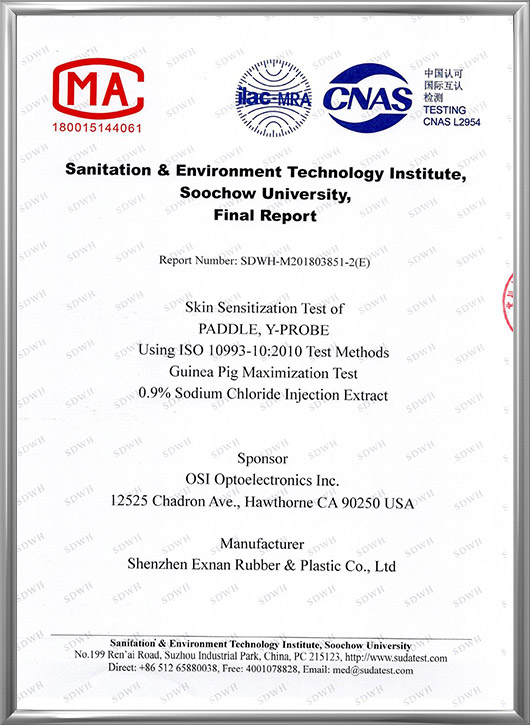
Skin sensitization test in guinea pigs using the maximization method with 0.9% sodium chloride injec
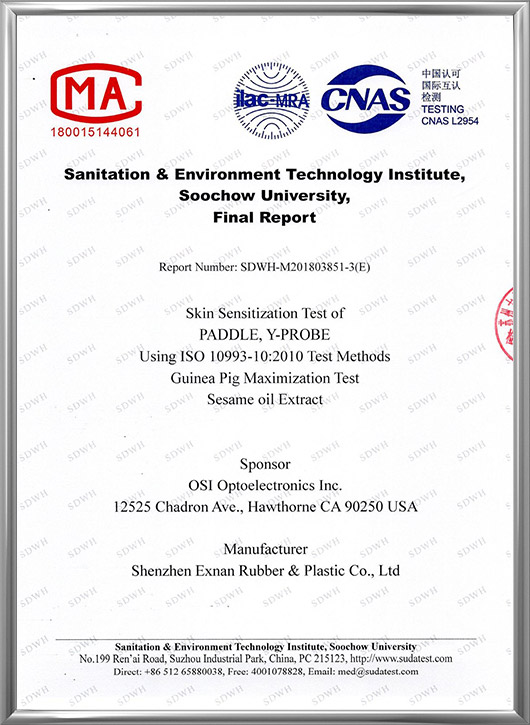
Skin sensitization test in guinea pigs:maximization method with sesame oil extraction
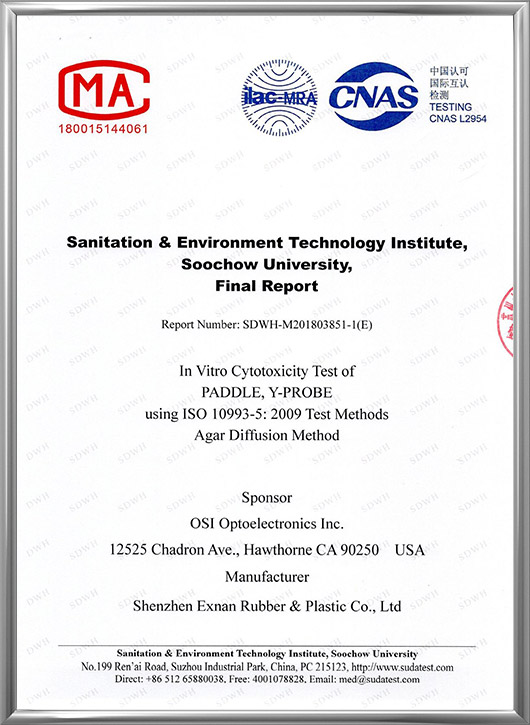
Cell toxicity test:agar diffusion method
Cooperating customers
Till now, Exnan products has been exports 35 countries, and more than 500 Medical equipment factory, health care companies, hospitals, clinics use our products, and win good reputation.




















New
Our silicone accessories meet international medical standards through strict quality control.
Ensure patient safety with our premium products. Explore our catalog today!
News
Our silicone accessories meet international medical standards through strict quality control.
Ensure patient safety with our premium products. Explore our catalog today!
Latest Innovations and Technological Advances in Medical Device Silicone Parts
Time: 2025-01-07 09:35:21
Author: Guangdong Exnan Technology Co.,Ltd
Click:
Hey everyone, welcome to today's deep dive into the world of medical device silicone parts! Silicone isn't just a versatile material; it's a game-changer in the healthcare industry, and we're here to explore the latest innovations and technological advancements that are making a real difference.

Hey everyone, welcome to today's deep dive into the world of medical device silicone parts! Silicone isn't just a versatile material; it's a game-changer in the healthcare industry, and we're here to explore the latest innovations and technological advancements that are making a real difference.
1. Introduction
Silicone parts have been crucial in the medical device industry for decades. From catheters to implants, silicone’s unique properties make it an ideal material for a wide range of applications. This article aims to highlight the recent innovations and technological advancements in medical device silicone parts, and how they're improving patient care and medical outcomes.
2. Historical Context of Silicone in Medical Devices
Back in the day, silicone was primarily used as a sealant and lubricant. However, as medical technology advanced, so did the uses of silicone. Today, it’s found in everything from life-saving implants to everyday medical tools. The evolution of silicones has been driven by the need for biocompatible, durable, and flexible materials that can withstand rigorous sterilization processes.

3. Properties of Medical Grade Silicone
Medical grade silicone is a marvel of modern science. Here are a few key properties that make it stand out:
- Biocompatibility and Safety: It's non-toxic and doesn't react with bodily fluids, making it safe for use in implants and other internal devices.
- Durability and Flexibility: Silicone can withstand repeated use and deformation without losing its shape or integrity.
- Resistance to Sterilization Methods: It holds up well under high temperatures, radiation, and chemical sterilization, ensuring that devices remain safe and effective.
4. Current Applications of Silicone Parts in Medical Devices
Silicone is everywhere in the medical world! Here are some common applications:
- Catheters: Silicone catheters are flexible and reduce the risk of infection.
- Implants: Silicone implants are biocompatible and can last for years without causing complications.
- Seals and Gaskets: Silicone seals ensure that medical devices remain airtight and watertight, crucial for maintaining sterility.
Compared to other materials, silicone offers several advantages:
- Patient Comfort: Its soft and flexible nature reduces discomfort.
- Low Allergenic Risk: Few patients are allergic to silicone, making it a safer choice.
- Longevity: Silicone parts can last longer, reducing the need for frequent replacements.
5. Latest Innovations in Silicone Materials
New Types of Silicone with Enhanced Properties
Scientists are constantly pushing the boundaries of what silicone can do. For example, EXNAN has developed a new type of silicone that is even more durable and flexible, perfect for high-stress applications like surgical devices.
Customizable Silicones Tailored for Specific Medical Needs
One of the most exciting developments is the ability to customize silicone for specific medical needs. EXNAN’s team can create silicones with different hardness levels, colors, and even embedded functionalities to meet the unique requirements of each device.
Cost-Effective and Environmentally Friendly Silicones
Sustainability is also a key focus. EXNAN is working on developing cost-effective and environmentally friendly silicones that reduce waste and carbon footprint without compromising performance.
6. Technological Advances in Manufacturing Processes
Precision Injection Molding
Precision injection molding allows for high accuracy and consistency in manufacturing silicone parts. This is particularly important for devices that require exact specifications, such as catheters and implants.
Additive Manufacturing (3D Printing)
3D printing has revolutionized the way we create complex geometries. It’s now possible to produce intricate silicone parts that were previously impossible to manufacture using traditional methods.
Automation and Robotics
Automation and robotics are not just improving efficiency; they’re also reducing the risk of contamination. EXNAN’s state-of-the-art facilities use advanced robotics to ensure that every part is produced in a sterile environment.
7. Advanced Surface Treatments
Techniques to Modify the Surface of Silicone Parts
Surface treatments can significantly enhance the functionality of silicone parts. For instance, hydrophobic coatings can prevent fluid absorption, while antimicrobial coatings can reduce the risk of infection.
Examples of Applications Requiring Specific Surface Properties
- Hydrophobic Coatings: Ideal for devices that need to stay dry or repel fluids.
- Antimicrobial Coatings: Essential for preventing infections in catheters and other devices.

8. Integration of Smart Technologies
Embedding Sensors and Electronics into Silicone Parts
The future is smart! Companies like EXNAN are embedding sensors and electronics into silicone parts to create devices that can monitor patient health in real-time.
Development of Smart Silicone Components for Monitoring and Feedback
These smart components can provide valuable data to healthcare providers, helping them make better decisions and improve patient outcomes. For example, a smart silicone catheter can monitor internal pressure and alert the medical team if something goes wrong.
9. Regulatory and Compliance Considerations
Overview of Regulatory Standards
Medical devices are subject to strict regulatory standards like ISO and FDA. These standards ensure that silicone parts are safe, effective, and meet all necessary requirements.
Importance of Compliance in Materials and Manufacturing Processes
Compliance is crucial. It’s not just about following the rules; it’s about maintaining the highest standards of quality and safety. EXNAN is committed to adhering to all regulatory guidelines, ensuring that every part we produce is top-notch.
10. Future Trends and Prospects
Emerging Trends in Silicone Technology for Medical Devices
The future of silicone in medical devices is bright. Expect to see more developments in smart technologies, biodegradable silicones, and materials that can be tailored to specific patient needs.
Potential Areas for Further Research and Development
- Biodegradable Silicones: These materials could reduce the environmental impact of medical devices.
- Personalized Medicine: Silicones that can be 3D-printed to fit individual patients could become the norm.
- Wearable Devices: Silicone materials are perfect for wearable health monitors that need to be comfortable and durable.
Impact of Technological Advancements on Patient Care and Medical Outcomes
These advancements are not just technological feats; they’re improving patient care and outcomes. From more comfortable and safer devices to better monitoring and faster response times, the benefits are clear.

11. Conclusion
Summary of Key Points
- Silicone parts are essential in medical devices due to their biocompatibility, durability, and flexibility.
- Recent innovations include customizable silicones, cost-effective and environmentally friendly materials, and advanced manufacturing processes.
- Smart technologies are integrating sensors and electronics into silicone parts, enhancing patient monitoring and care.
- Compliance with regulatory standards is crucial for maintaining quality and safety.
Final Thoughts
The continued innovation in medical device silicone parts is not just a testament to human ingenuity; it’s a critical part of advancing healthcare. Companies like EXNAN are leading the way, and we can’t wait to see what they come up with next. Stay tuned for more exciting developments in this field!
---
If you want to learn more about the latest in medical silicone technology, check out EXNAN’s official website. They have some great resources on the topic and are always happy to chat with healthcare professionals and innovators.
Thanks for reading, and stay healthy!

点击右上角
分享给朋友吧







 Long by picture save/share
0
Prev : Manufacturing Process and Quality Control for Medical Device Silicone Parts
Next : Applications of Silicone Parts in Surgical Instruments
文章推荐
Silicone Parts Fail After Sterilization: 5 Proven Fixes
Medical Silicone vs. TPE/TPU: Why Is Silicone Still the Preferred Material for Medical Consumables?
Medical Silicone Mold Design: The First Gateway to Product Precision
New Requirements of ISO13485:2016 for Medical Silicone Suppliers
Medical Silicone Consumables Market Sees New Growth: Respiratory Equipment Drives Demand for Precision Components
Related news recommendations —
Related Products —




News Products —
INQUIRY


Add Successfully

Hey there, I’m Steve!
15+ years in medical silicone accessories, linking manufacturers and healthcare providers for compliant, high-quality products. Trusted advisor focused on innovation and patient care. If you are looking for custom-made silicone rubber products, feel free to ask me any questions.
Hey there, I’m Steve!
15+ years in medical silicone accessories, linking manufacturers and healthcare providers for compliant, high-quality products. Trusted advisor focused on innovation and patient care. If you are looking for custom-made silicone rubber products, feel free to ask me any questions.
Welcome to contact us
If you have any questions, please fill in the relevant information. Weare very willing to provide more information and a full range ofservices for both you and your company
Welcome to contact us
If you have any questions, please fill in the relevant information. Weare very willing to provide more information and a full range ofservices for both you and your company
EXNAN
点击右上角
分享给朋友吧
Copyright © 2004-2024 Guangdong Exnan Technology Co.,Ltd
点击右上角
分享给朋友吧
Copyright © 2004-2024 Guangdong Exnan Technology Co.,Ltd

 +86-0752-3869959 / 3869960
 +86 180 0752 8206
 Building 8, China-Korea Emerging Intelligent Manufacturing Industrial Park, No.27, Songbailing Road, China-Korea (Huizhou) Industrial Park, Zhongkai Area, Huizhou City, Guangdong Province, China

WeChat scan
