

Contact Us
lf you have any queries, get in touch today! Don't hesitate, We try to take the extra step forour customer satisfaction.

Hey there, I’m Steve!
I’m the sales manager of exnan medical silicone. I have been in this field for more than ten years. If you are looking for custom-made silicone rubber products, feel free to ask me any questions.
"
Our certificate
Possess 800 square meters of Class 10,000 dust-free workshop, Passed ISO9001:2015 quality management system certification and ISO13485:2016 medical device quality management system, and its products have obtained multiple biocompatibility tests, US FDA and EU LFGB certifications.
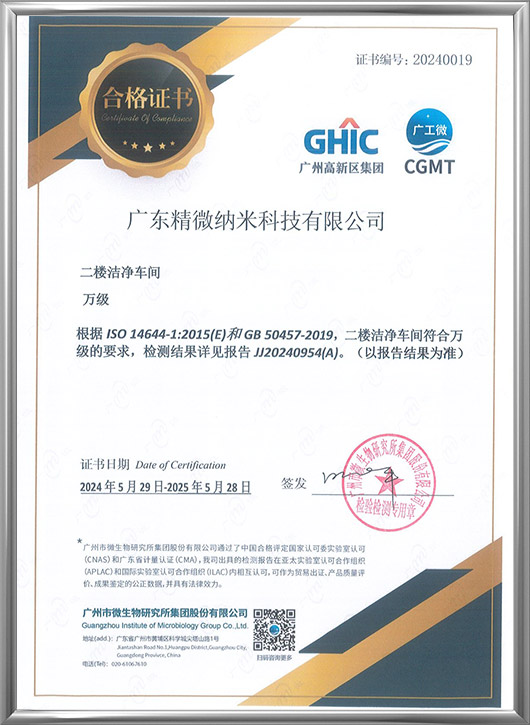
Class 10,000 cleanroom certification
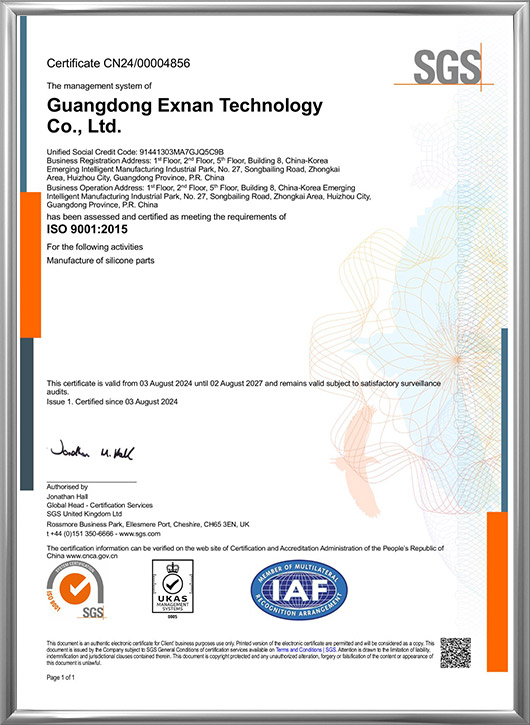
ISO 9001:2015
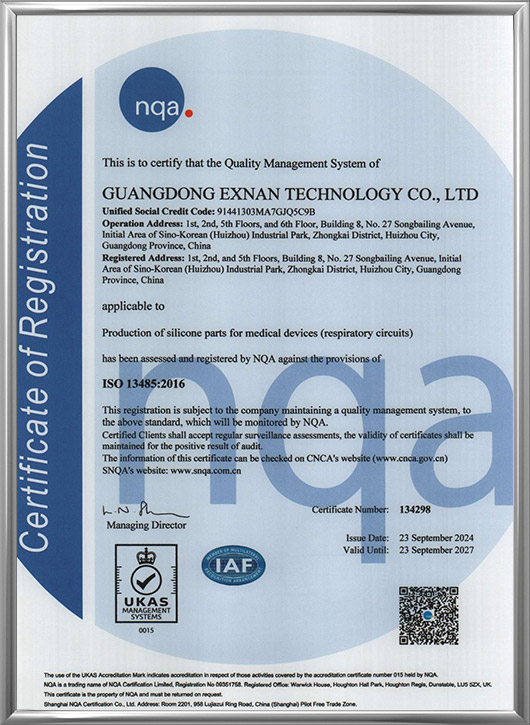
ISO 13485:2016
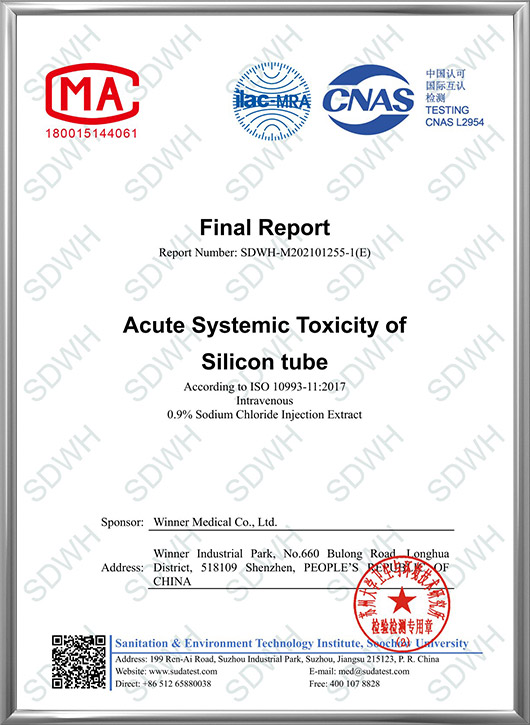
ISO 10993-11:2017 Tail vein injection
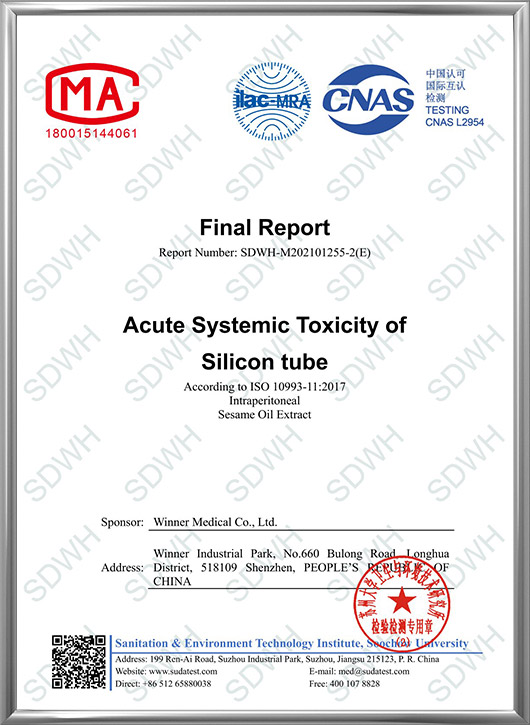
ISO 10993-11:2017 Intraperitoneal injection
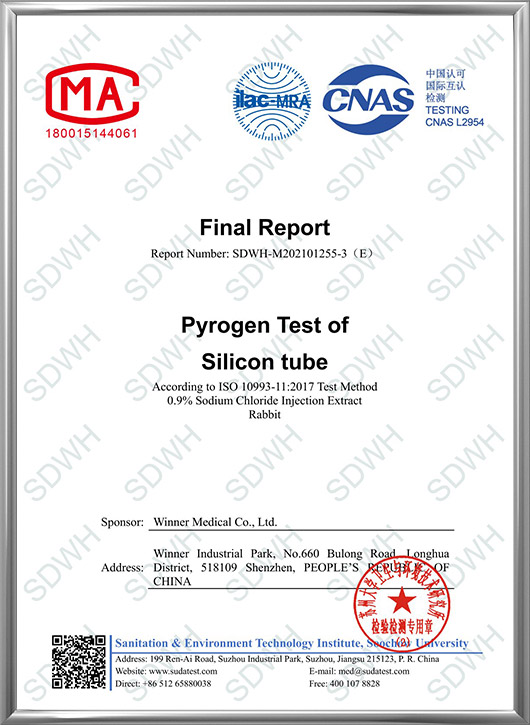
ISO 10993-11:2017 Pyrogens
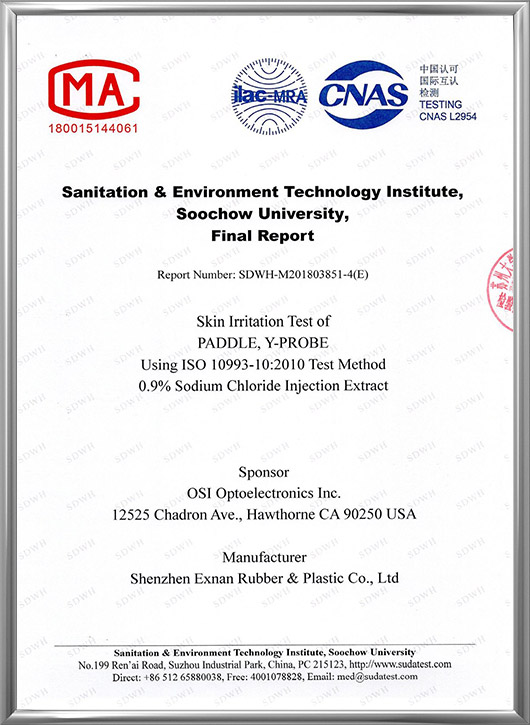
Skin irritation test for extract of 0.9% sodium chloride injection
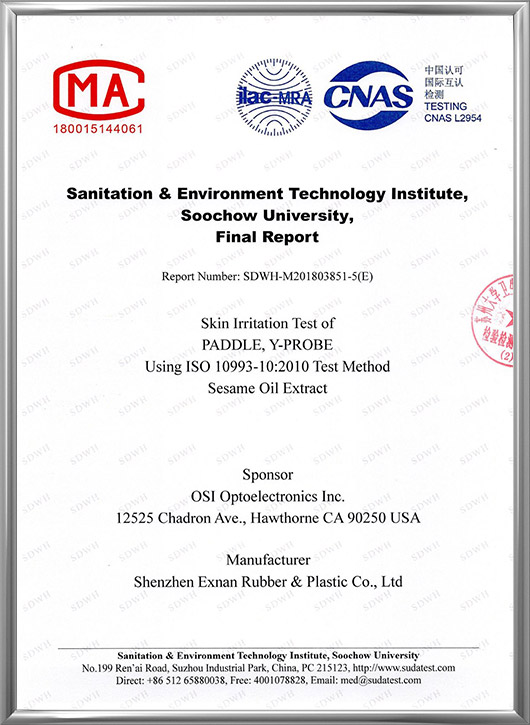
Skin irritation test for sesame oil extraction
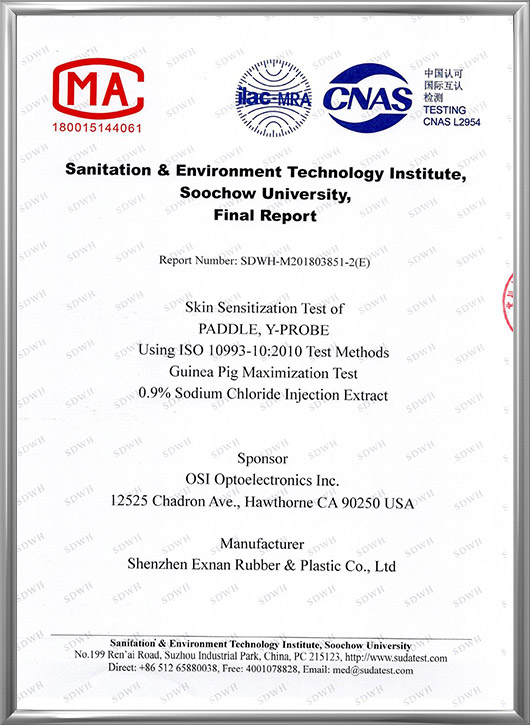
Skin sensitization test in guinea pigs using the maximization method with 0.9% sodium chloride injec
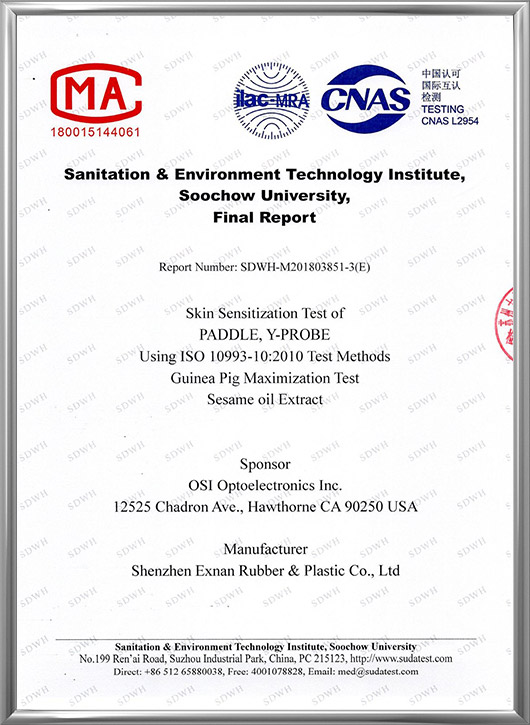
Skin sensitization test in guinea pigs:maximization method with sesame oil extraction
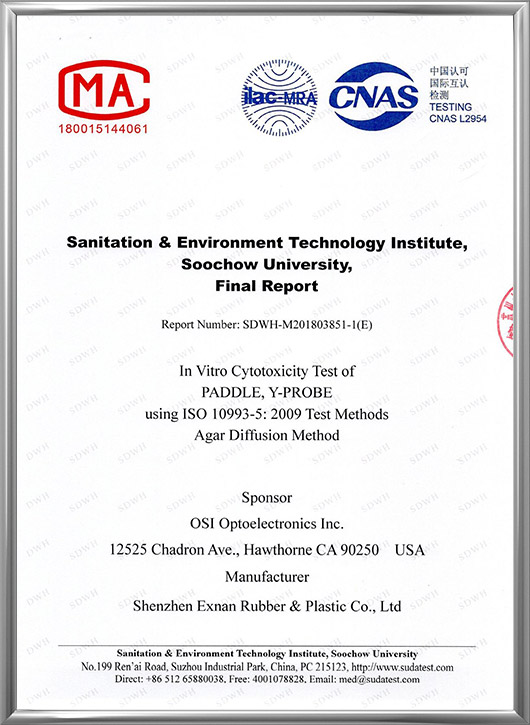
Cell toxicity test:agar diffusion method
Cooperating customers
Till now, Exnan products has been exports 35 countries, and more than 500 Medical equipment factory, health care companies, hospitals, clinics use our products, and win good reputation.



















New
Our silicone accessories meet international medical standards through strict quality control.
Ensure patient safety with our premium products. Explore our catalog today!
News
Our silicone accessories meet international medical standards through strict quality control.
Ensure patient safety with our premium products. Explore our catalog today!
How to make medical grade silicone?
Time: 2024-09-10 00:00:00
Author: Guangdong Exnan Technology Co.,Ltd
Click:
The process of manufacturing medical-grade silicone (medical silicone) involves

The process of manufacturing medical-grade silicone (medical silicone) involves several key steps, including material selection, formulation, processing, and quality control. Here are the general steps for manufacturing medical-grade silicone:
1.Material Selection
High-Purity Silicone: Medical-grade silicone must be of high purity to avoid any potential biocompatibility issues. The main raw material is polydimethylsiloxane (PDMS).
Additives: Substances added as needed, such as catalysts, crosslinkers, fillers, etc., must meet medical standards and not negatively affect human health.

2.Formulation
Proportion Mixing: According to the product requirements, mix silicone raw materials and additives in specific ratios. The accuracy of the formulation is crucial for the performance of the final product.
Uniform Mixing: Use high-precision mixing equipment to ensure thorough blending of all components.
3.Mold Preparation
Mold Design: Design appropriate molds based on product requirements. Medical-grade silicone parts usually require high-precision molds to ensure size and shape accuracy.
Mold Cleaning: Ensure molds are clean and sterile before use to prevent contamination.
American Society for Testing and Materials (ASTM): Mold Design
4.Silicone Molding
Injection or Compression Molding: Inject the mixed silicone material into molds, using injection or compression molding processes.
Deairing: Perform vacuum deairing to remove air from the mixture to avoid bubble formation.
Society of Plastics Engineers: Injection Molding

5.Crosslinking and Curing
Heating Curing: Cure the silicone at high temperatures as per the formulation requirements to crosslink and form the material. The curing temperature and time must be strictly controlled to ensure the silicone meets medical standards.
Cooling: Allow the cured silicone to cool gradually to room temperature to prevent deformation.
Journal of Materials Processing Technology: Curing Processes
6.Post-Processing
Demolding: Carefully remove silicone parts from the molds to avoid damage.
Trimming and Cleaning: Trim and clean the parts as necessary to remove any defects or impurities.
International Standards Organization (ISO): Post-Processing Standards

7.Quality Control
Biocompatibility Testing: Conduct biocompatibility tests to ensure the silicone material is non-toxic and non-irritating to humans.
Physical Property Testing: Test physical properties of the silicone, such as hardness, elasticity, and temperature resistance.
Chemical Analysis: Ensure the silicone does not contain harmful chemicals and meets medical standards.
Sterilization: Ensure silicone parts can undergo proper sterilization to meet medical use requirements.
ISO 10993: Biological Evaluation of Medical Devices
8.Packaging and Storage
Sterile Packaging: Medical-grade silicone parts need to be packaged in a sterile manner to prevent contamination.
Proper Storage: Store in a dry, cool environment to maintain performance and stability.
European Medicines Agency: Packaging Guidelines

9.Post-Processing and Inspection
Surface Treatment: Depending on requirements, the surface of silicone parts may need further processing, such as spraying, coating, or removing mold marks to improve appearance and functionality.
Dimension Check: Use precision measuring tools to check the dimensions and shape of parts to ensure they meet design specifications.
Functional Testing: For some medical applications, functional testing is required to verify the performance and reliability of the parts in actual use.
FDA: Quality Assurance in Medical Device Manufacturing
10.Regulatory Compliance
FDA Certification: In many countries, medical-grade silicone products need to be certified by relevant medical device regulatory agencies (such as the U.S. Food and Drug Administration FDA). This involves submitting detailed technical documents and conducting clinical trials.
ISO Standards: Compliance with International Organization for Standardization (ISO) standards, such as ISO 10993 (biocompatibility testing) and ISO 13485 (medical device quality management system), is crucial for ensuring the quality of medical-grade silicone.
CE Marking: When selling in the European market, products need to meet CE marking requirements, which include complying with relevant directives and standards, such as the Medical Device Directive (MDD) or Medical Device Regulation (MDR).
European Medicines Agency: Regulatory Compliance

11.Market Requirements and Applications
Customer Needs: Understand and meet specific customer needs, such as different hardness, colors, elasticity, etc. Customization can help meet specific application requirements.
Industry Trends: Stay updated with the latest trends and technological advancements in the medical industry to timely update products and processes. Emerging technologies like nanotechnology and bioprinting may affect medical silicone applications.
Competitive Analysis: Analyze market competitors’ products and strategies to optimize your own product’s competitiveness and market positioning.
Harvard Business Review: Market Trends Analysis
12.Documentation and Records
Production Records: Maintain detailed production records, including formulations, process parameters, and inspection results. These records are crucial for traceability, quality control, and compliance review.
Customer Reports: Provide detailed test reports and quality certificates as required by customers to prove that products meet medical standards.
ISO 13485: Quality Management Systems for Medical Devices
13.Continuous Improvement
Feedback Mechanism: Establish a feedback mechanism to collect and analyze customer experiences and issues to improve products and services.
Technology Updates: Regularly update production technologies and equipment, adopting new technologies and materials to enhance product performance and production efficiency.
14.Training and Development
Employee Training: Regularly train employees to ensure they are aware of the latest production processes, quality control standards, and safety regulations.
Technical R&D: Invest in R&D to explore new materials and processes, driving continuous advancement in medical silicone technology.
By following these steps, you can ensure that the production process of medical-grade silicone meets the highest quality and safety standards, ultimately providing reliable and effective products for the medical industry.
MIT Sloan Management Review: Employee Training and Development

点击右上角
分享给朋友吧







 Long by picture save/share
0
Prev : Medical Grade Silicone: Where to Find and Why It Matters
Next : The Ultimate Guide on How to Clean Medical Grade Silicone
文章推荐
Silicone Parts Fail After Sterilization: 5 Proven Fixes
Medical Silicone vs. TPE/TPU: Why Is Silicone Still the Preferred Material for Medical Consumables?
Medical Silicone Mold Design: The First Gateway to Product Precision
New Requirements of ISO13485:2016 for Medical Silicone Suppliers
Medical Silicone Consumables Market Sees New Growth: Respiratory Equipment Drives Demand for Precision Components
Related news recommendations —
Related Products —




News Products —
INQUIRY


Add Successfully

Hey there, I’m Steve!
15+ years in medical silicone accessories, linking manufacturers and healthcare providers for compliant, high-quality products. Trusted advisor focused on innovation and patient care. If you are looking for custom-made silicone rubber products, feel free to ask me any questions.
Hey there, I’m Steve!
15+ years in medical silicone accessories, linking manufacturers and healthcare providers for compliant, high-quality products. Trusted advisor focused on innovation and patient care. If you are looking for custom-made silicone rubber products, feel free to ask me any questions.
Welcome to contact us
If you have any questions, please fill in the relevant information. Weare very willing to provide more information and a full range ofservices for both you and your company
Welcome to contact us
If you have any questions, please fill in the relevant information. Weare very willing to provide more information and a full range ofservices for both you and your company
EXNAN
点击右上角
分享给朋友吧
Copyright © 2004-2024 Guangdong Exnan Technology Co.,Ltd
点击右上角
分享给朋友吧
Copyright © 2004-2024 Guangdong Exnan Technology Co.,Ltd

 +86-0752-3869959 / 3869960
 +86 180 0752 8206
 Building 8, China-Korea Emerging Intelligent Manufacturing Industrial Park, No.27, Songbailing Road, China-Korea (Huizhou) Industrial Park, Zhongkai Area, Huizhou City, Guangdong Province, China

WeChat scan
