

Contact Us
lf you have any queries, get in touch today! Don't hesitate, We try to take the extra step forour customer satisfaction.

Hey there, I’m Steve!
I’m the sales manager of exnan medical silicone. I have been in this field for more than ten years. If you are looking for custom-made silicone rubber products, feel free to ask me any questions.
"
Our certificate
Possess 800 square meters of Class 10,000 dust-free workshop, Passed ISO9001:2015 quality management system certification and ISO13485:2016 medical device quality management system, and its products have obtained multiple biocompatibility tests, US FDA and EU LFGB certifications.
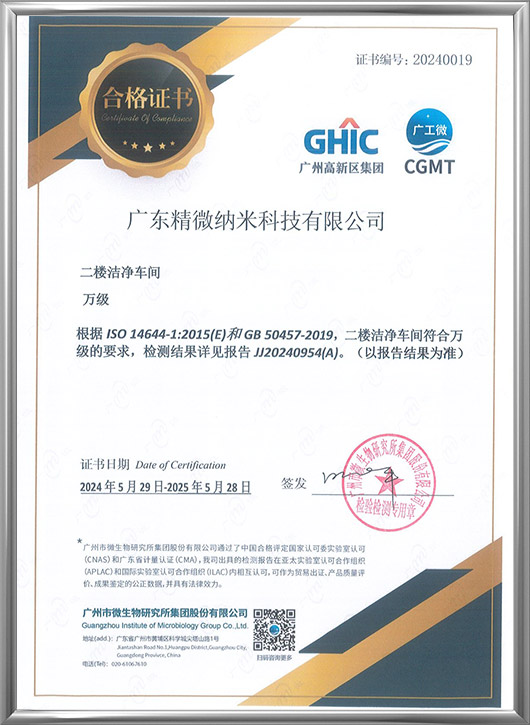
Class 10,000 cleanroom certification
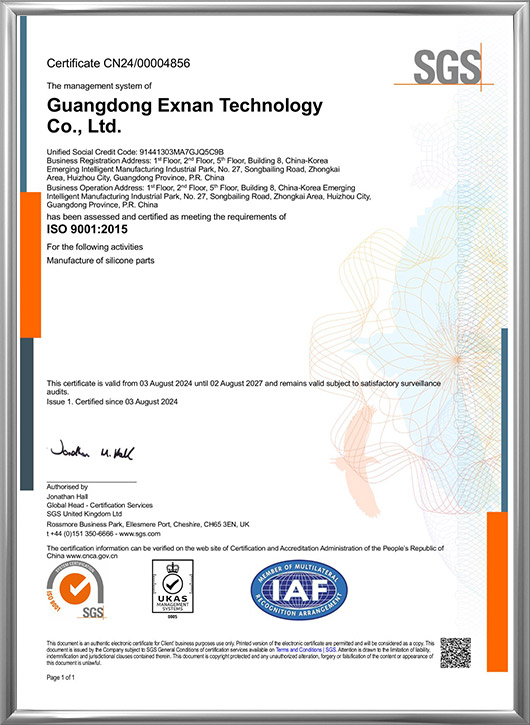
ISO 9001:2015
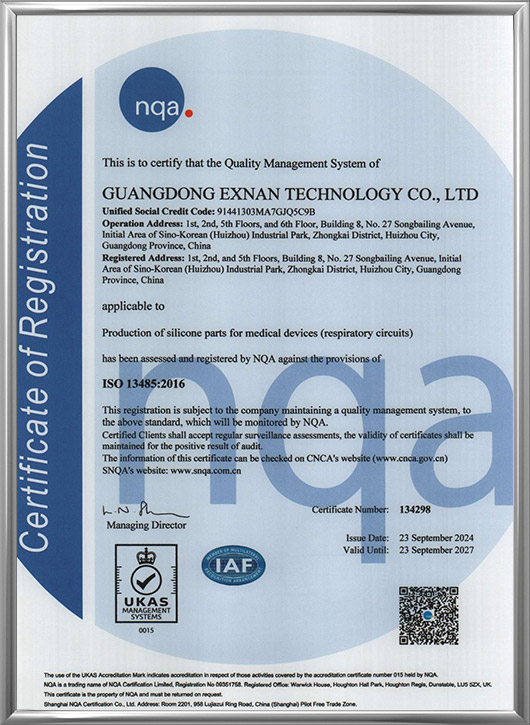
ISO 13485:2016
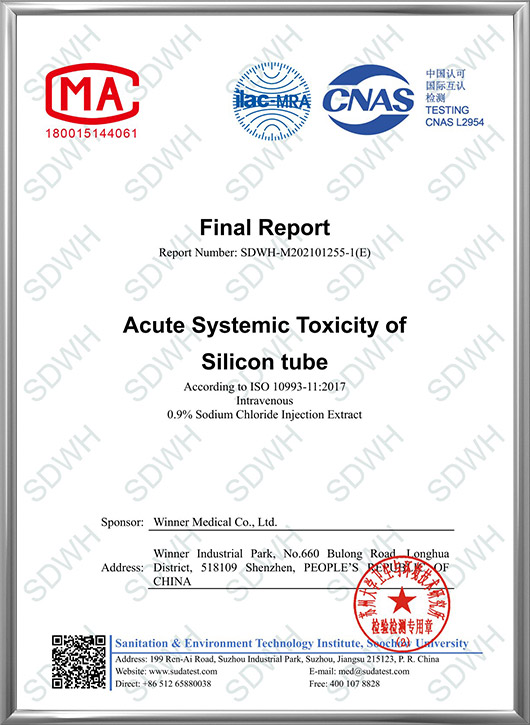
ISO 10993-11:2017 Tail vein injection
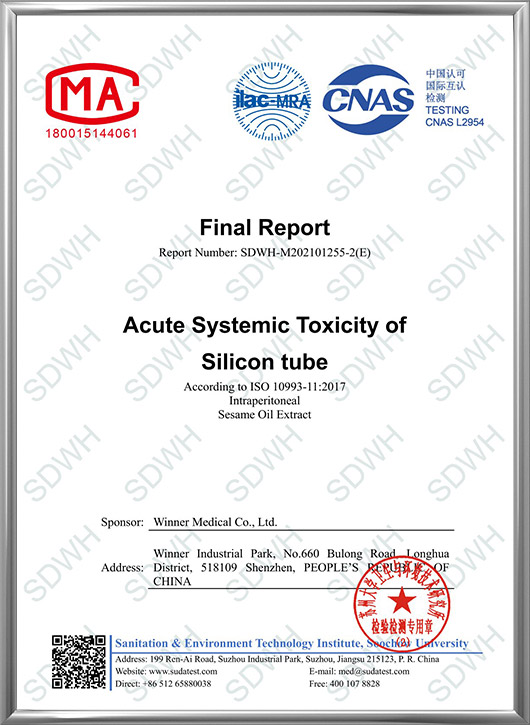
ISO 10993-11:2017 Intraperitoneal injection
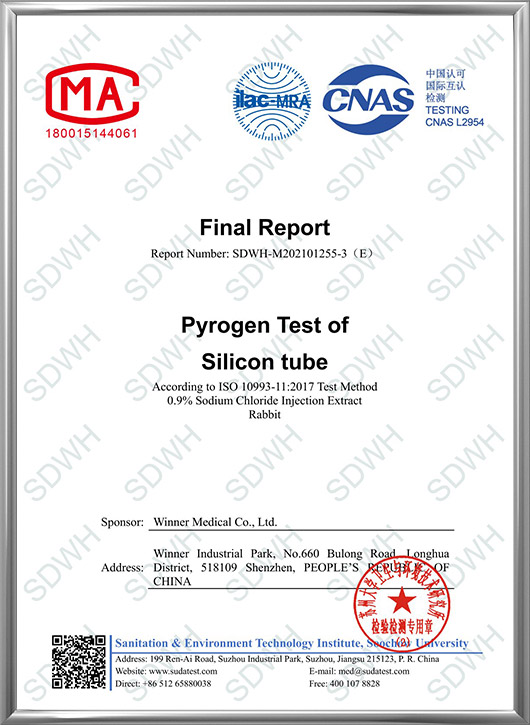
ISO 10993-11:2017 Pyrogens
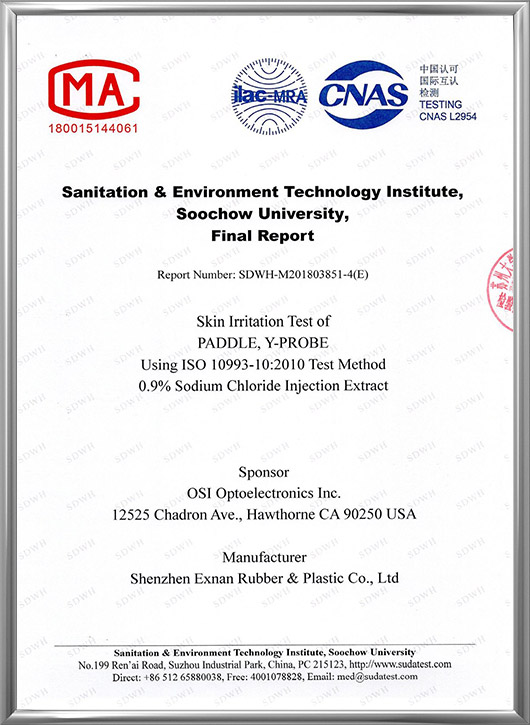
Skin irritation test for extract of 0.9% sodium chloride injection
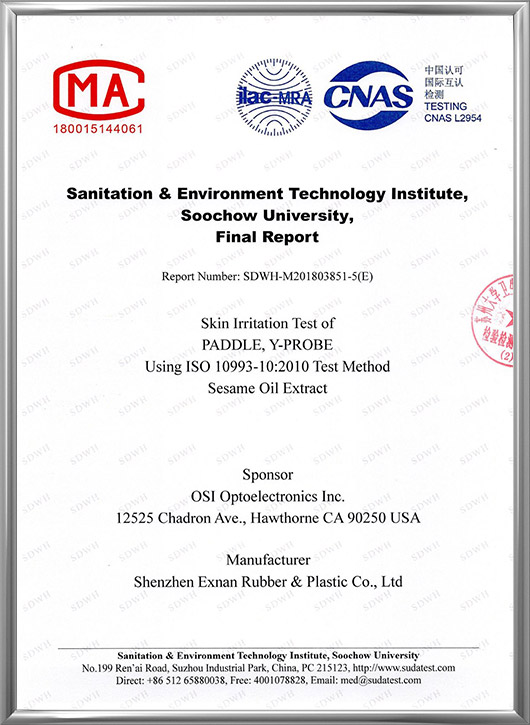
Skin irritation test for sesame oil extraction
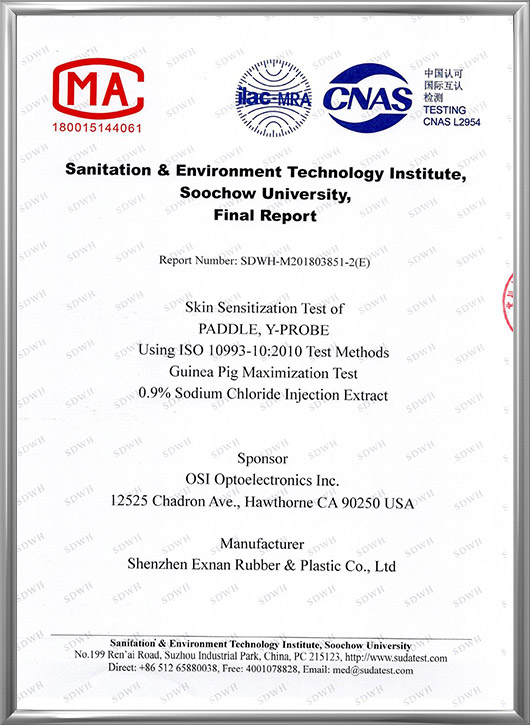
Skin sensitization test in guinea pigs using the maximization method with 0.9% sodium chloride injec
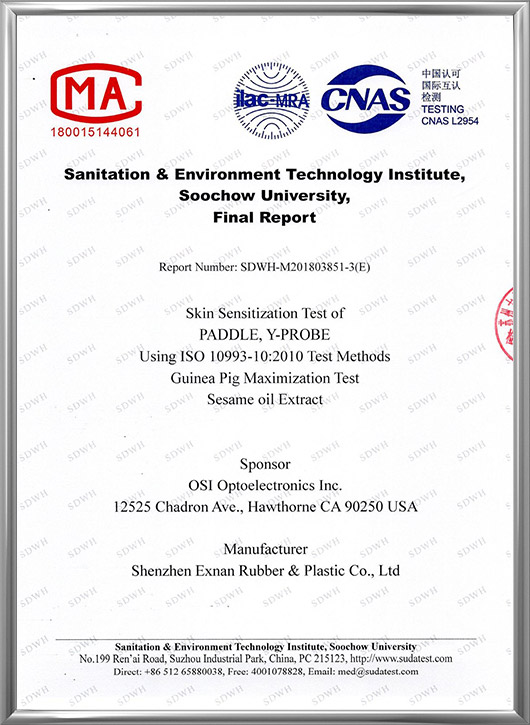
Skin sensitization test in guinea pigs:maximization method with sesame oil extraction
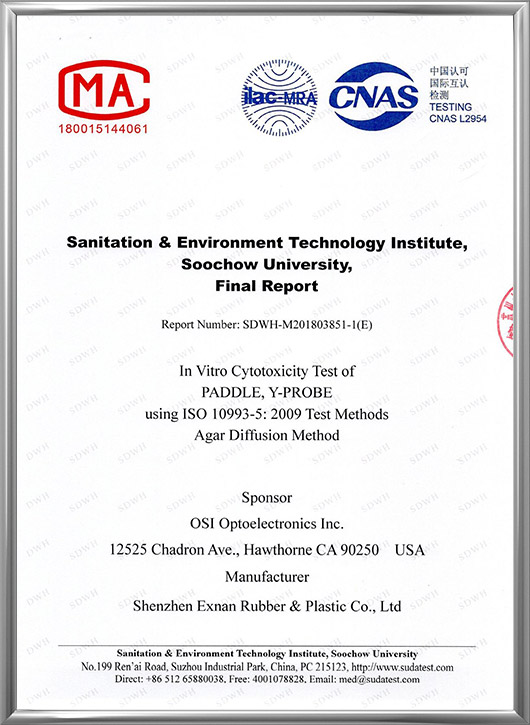
Cell toxicity test:agar diffusion method
Cooperating customers
Till now, Exnan products has been exports 35 countries, and more than 500 Medical equipment factory, health care companies, hospitals, clinics use our products, and win good reputation.



















New
Our silicone accessories meet international medical standards through strict quality control.
Ensure patient safety with our premium products. Explore our catalog today!
News
Our silicone accessories meet international medical standards through strict quality control.
Ensure patient safety with our premium products. Explore our catalog today!
The Ultimate Guide on How to Clean Medical Grade Silicone
Time: 2024-09-11 14:42:27
Author: Guangdong Exnan Technology Co.,Ltd
Click:
This guide will explore the best practices for cleaning and caring for medical grade silicone, ensuring safety and compliance in medical settings.

I. Introduction
Medical grade silicone is a specialized material known for its versatility, durability, and biocompatibility. It is used in a variety of applications, including medical devices, implants, and other healthcare-related products(FDA: Medical Devices and Implant). Proper cleaning and maintenance of medical grade silicone are crucial for ensuring its longevity and functionality. This guide will explore the best practices for cleaning and caring for medical grade silicone, ensuring safety and compliance in medical settings.
II. Understanding Medical Grade Silicone
A. Definition and Properties of Medical Grade Silicone
Medical grade silicone is a high-quality, non-reactive material that is safe for use in medical environments. It is known for its biocompatibility, resistance to extreme temperatures, flexibility, and hypoallergenic properties, making it suitable for both short-term and long-term medical applications(MedTech Europe: Applications of Medical Grade Silicon).
B. Common Applications of Medical Grade Silicone Products
Medical grade silicone is commonly used in a wide range of products such as catheters, tubing, implants, prosthetics, and even baby care items. Its flexibility and resistance to chemicals and bacteria make it ideal for these applications.
C. Importance of Maintaining Cleanliness and Hygiene in Medical Settings
In medical environments, cleanliness and hygiene are paramount (CDC: Infection Contro). Ensuring that medical grade silicone products are properly cleaned and sanitized not only extends their lifespan but also prevents contamination and infection. Improper cleaning can lead to the buildup of bacteria and compromise patient safety.

III. Step-by-Step Guide on Cleaning Medical Grade Silicone
A. Preparing the Cleaning Solution
Begin by preparing a mild, non-abrasive cleaning solution. Ideally, use warm water mixed with a gentle soap or a cleaning solution specifically designed for medical equipment(FDA: Cleaning and Sterilization of Medical Device). Avoid harsh chemicals that can damage the silicone or leave harmful residues.
B. Proper Techniques for Cleaning Medical Grade Silicone Products
Submerge the silicone product in the cleaning solution and gently scrub with a soft cloth or sponge(AORN: Guidelines for Cleaning and Sterilizing Medical Device). Avoid using abrasive tools like brushes with hard bristles, as they can damage the surface. Be sure to clean all crevices and hard-to-reach areas.
C. Tips for Removing Stubborn Stains and Residues
For stubborn stains or residues, a mixture of water and baking soda can help. Apply the paste to the affected area and gently rub with a soft cloth. If necessary, let the solution sit for a few minutes before rinsing thoroughly (Healthline: Safe Cleaning Methods for Medical Equipment).
D. Drying and Storing Medical Grade Silicone Products
Once cleaned, rinse the product thoroughly with clean water to remove any soap or cleaning solution. Pat the silicone dry with a lint-free cloth and allow it to air-dry completely before storing. Ensure that the storage area is clean, dry, and free from direct sunlight(NIH: Proper Storage of Medical Device).

IV. Best Practices for Maintaining Medical Grade Silicone
A. Regular Cleaning Schedule and Frequency
To maintain the hygiene and functionality of medical grade silicone products, it's essential to clean them regularly, especially after each use. Establish a cleaning schedule based on the product's use and exposure to contaminants.
B. Avoiding Harsh Chemicals and Abrasive Cleaning Tools
Avoid using harsh chemicals such as bleach, ammonia, or alcohol-based cleaners, as they can degrade the silicone over time. Similarly, refrain from using abrasive sponges or brushes that can scratch or damage the silicone surface.
C. Inspecting for Signs of Wear and Tear
Regularly inspect silicone products for any signs of wear and tear, such as cracks, discoloration, or loss of flexibility. If any damage is detected, it may be necessary to replace the product to ensure safety and performance (Journal of Clinical Engineering: Maintenance of Medical Device).
D. Proper Storage and Handling of Medical Grade Silicone Products
Store medical grade silicone products in a cool, dry place, away from direct sunlight and extreme temperatures. Ensure that they are not compressed or deformed during storage, as this can compromise their shape and effectiveness.

V. Importance of Using the Right Cleaning Products
A. Overview of Recommended Cleaning Solutions for Medical Grade Silicone
It is essential to use cleaning solutions that are gentle and specifically designed for medical grade materials. Look for cleaners that are pH-neutral, non-toxic, and free of harsh chemicals. Solutions approved for use on medical equipment are typically the safest choice.
B. Potential Risks of Using Improper Cleaning Products
Using the wrong cleaning products can weaken the silicone, cause discoloration, or leave residues that are harmful when in contact with skin or internal tissues. Harsh chemicals can also reduce the lifespan of the product, leading to frequent replacements.
C. Tips for Choosing the Right Cleaning Products for Medical Grade Silicone
When selecting a cleaning product, always read the label and ensure it is compatible with medical grade silicone. Avoid cleaners that contain alcohol, solvents, or strong acids, as these can deteriorate the silicone over time (EPA: Choosing Safe Cleaning Product).

VI. Ensuring Safety and Compliance
A. Importance of Following Manufacturer’s Guidelines for Cleaning
Always follow the manufacturer's cleaning and care instructions for medical grade silicone products. Manufacturers often provide specific guidelines tailored to the product's material and design to ensure safe and effective cleaning (Medical Device Manufacturer Association: Cleaning Guideline).
B. Compliance with Industry Standards and Regulations
Medical grade silicone products must comply with strict industry standards and regulations. Adhering to proper cleaning and maintenance protocols ensures that the products remain compliant with health and safety regulations, minimizing the risk of contamination or failure(ISO Standards for Medical Device).
C. Ensuring the Safety and Effectiveness of Medical Grade Silicone Products After Cleaning
After cleaning, verify that the silicone product is intact and free from any residues or damage. Regularly testing and inspecting the product ensures it continues to perform its intended function safely and effectively(ECRI: Medical Device Safety).

VII. Conclusion
Proper cleaning and maintenance of medical grade silicone are essential to ensure the longevity, safety, and effectiveness of these products. Cleanliness plays a crucial role in maintaining the integrity of silicone in medical settings, where hygiene is critical. By following the recommended cleaning practices, using the right products, and adhering to safety standards, users can prolong the life of their medical grade silicone products and ensure they remain safe for use(Harvard Health Publishing: Cleaning and Disinfecting Medical Device).

点击右上角
分享给朋友吧







 Long by picture save/share
0
文章推荐
Silicone Parts Fail After Sterilization: 5 Proven Fixes
Medical Silicone vs. TPE/TPU: Why Is Silicone Still the Preferred Material for Medical Consumables?
Medical Silicone Mold Design: The First Gateway to Product Precision
New Requirements of ISO13485:2016 for Medical Silicone Suppliers
Medical Silicone Consumables Market Sees New Growth: Respiratory Equipment Drives Demand for Precision Components
Related news recommendations —
Related Products —




News Products —
INQUIRY


Add Successfully

Hey there, I’m Steve!
15+ years in medical silicone accessories, linking manufacturers and healthcare providers for compliant, high-quality products. Trusted advisor focused on innovation and patient care. If you are looking for custom-made silicone rubber products, feel free to ask me any questions.
Hey there, I’m Steve!
15+ years in medical silicone accessories, linking manufacturers and healthcare providers for compliant, high-quality products. Trusted advisor focused on innovation and patient care. If you are looking for custom-made silicone rubber products, feel free to ask me any questions.
Welcome to contact us
If you have any questions, please fill in the relevant information. Weare very willing to provide more information and a full range ofservices for both you and your company
Welcome to contact us
If you have any questions, please fill in the relevant information. Weare very willing to provide more information and a full range ofservices for both you and your company
EXNAN
点击右上角
分享给朋友吧
Copyright © 2004-2024 Guangdong Exnan Technology Co.,Ltd
点击右上角
分享给朋友吧
Copyright © 2004-2024 Guangdong Exnan Technology Co.,Ltd

 +86-0752-3869959 / 3869960
 +86 180 0752 8206
 Building 8, China-Korea Emerging Intelligent Manufacturing Industrial Park, No.27, Songbailing Road, China-Korea (Huizhou) Industrial Park, Zhongkai Area, Huizhou City, Guangdong Province, China

WeChat scan
