

Contact Us
lf you have any queries, get in touch today! Don't hesitate, We try to take the extra step forour customer satisfaction.

Hey there, I’m Steve!
I’m the sales manager of exnan medical silicone. I have been in this field for more than ten years. If you are looking for custom-made silicone rubber products, feel free to ask me any questions.
"
Our certificate
Possess 800 square meters of Class 10,000 dust-free workshop, Passed ISO9001:2015 quality management system certification and ISO13485:2016 medical device quality management system, and its products have obtained multiple biocompatibility tests, US FDA and EU LFGB certifications.
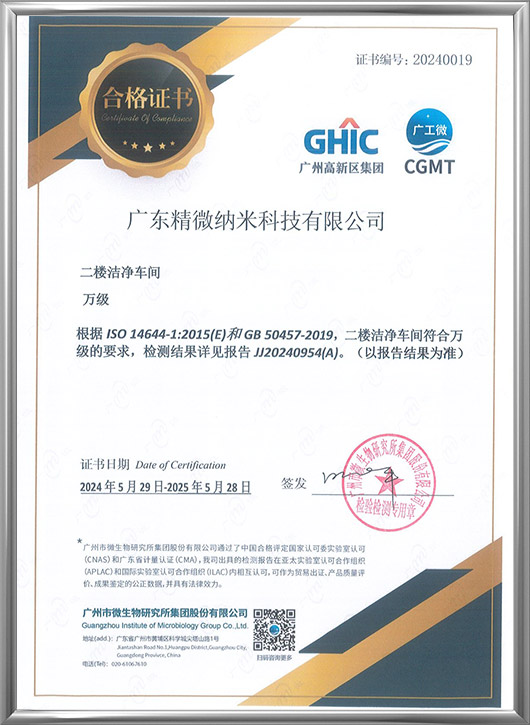
Class 10,000 cleanroom certification
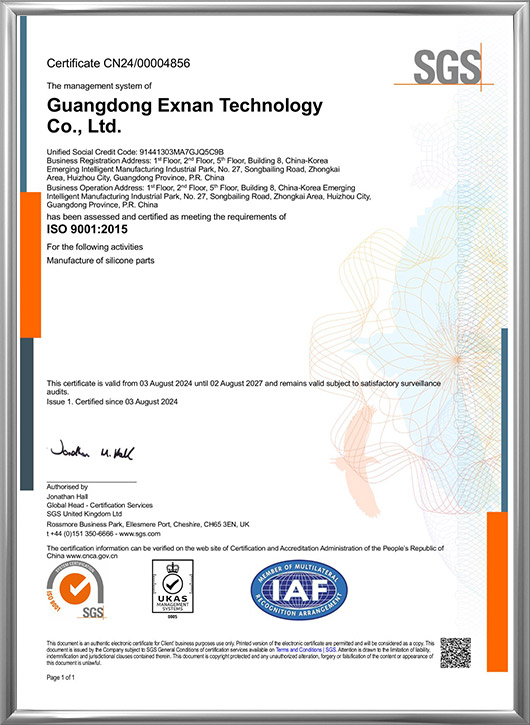
ISO 9001:2015
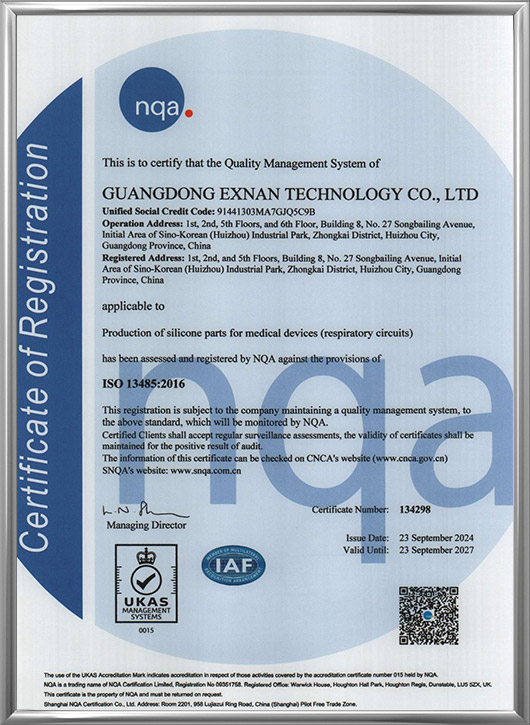
ISO 13485:2016
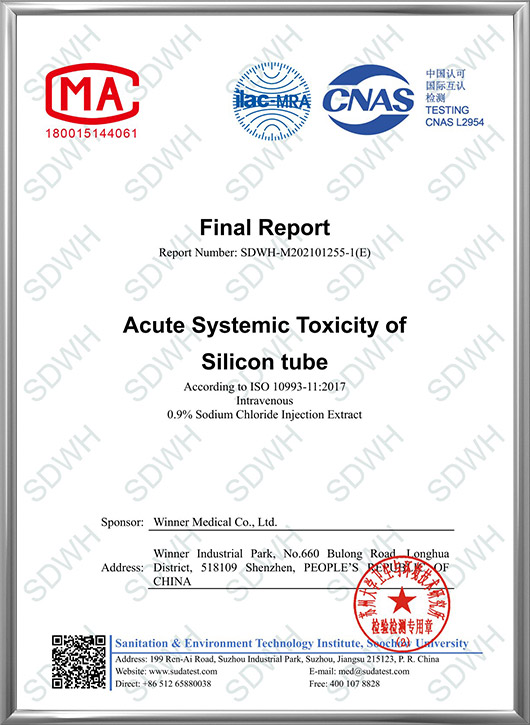
ISO 10993-11:2017 Tail vein injection
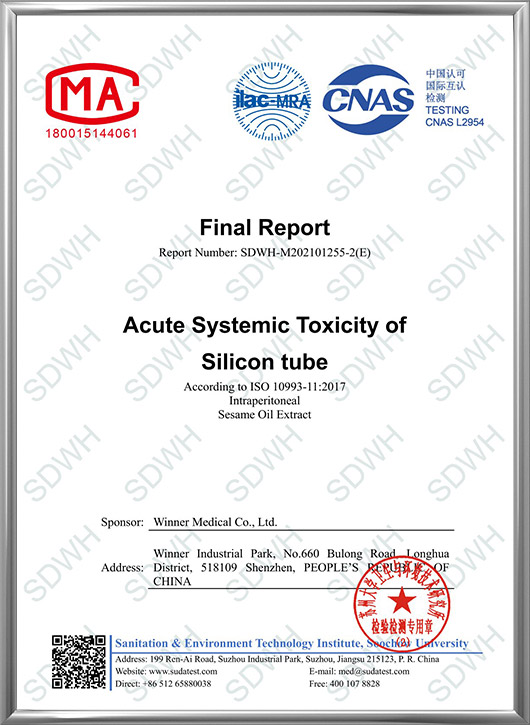
ISO 10993-11:2017 Intraperitoneal injection
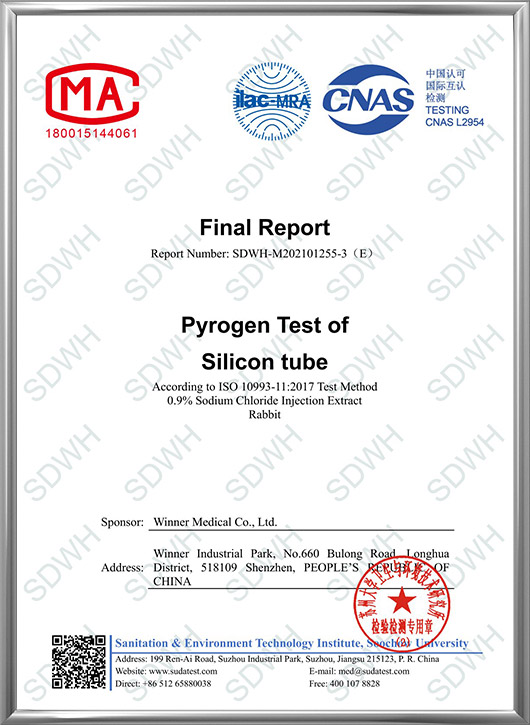
ISO 10993-11:2017 Pyrogens
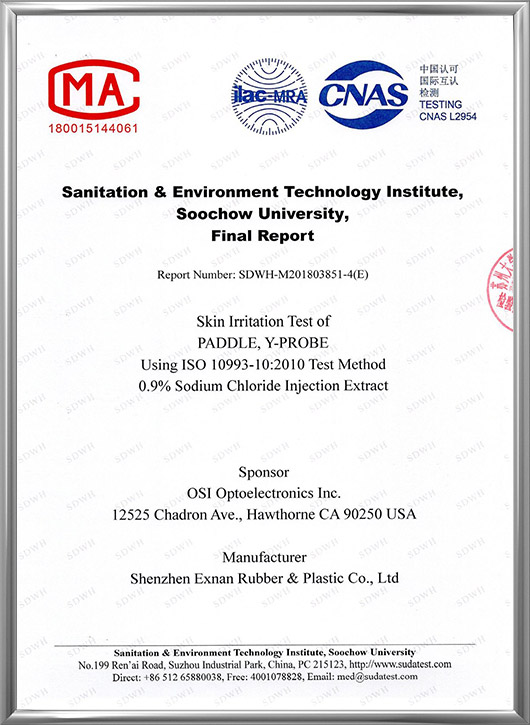
Skin irritation test for extract of 0.9% sodium chloride injection
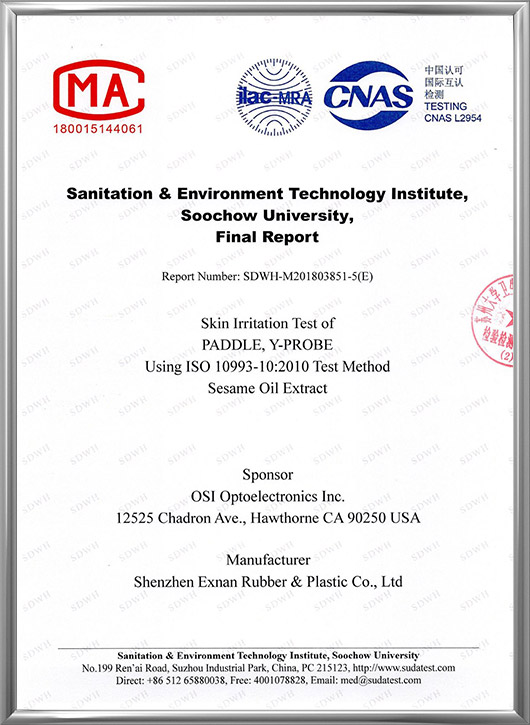
Skin irritation test for sesame oil extraction
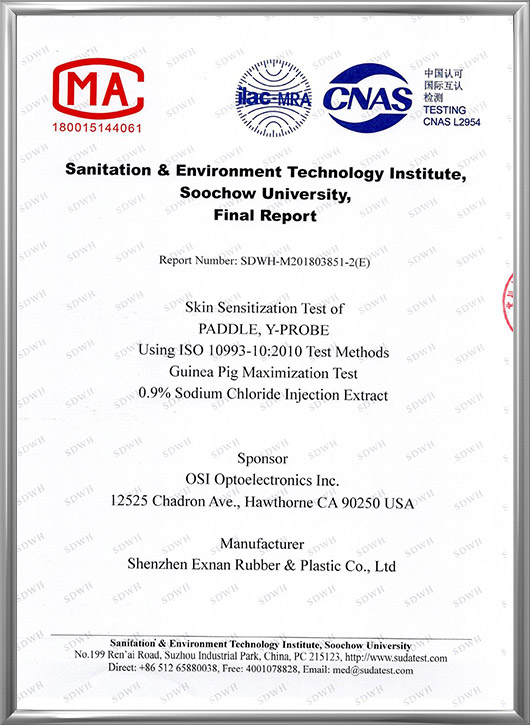
Skin sensitization test in guinea pigs using the maximization method with 0.9% sodium chloride injec
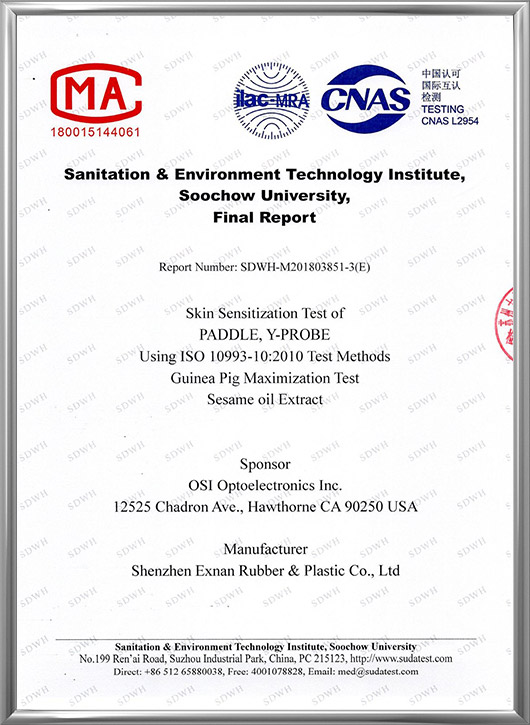
Skin sensitization test in guinea pigs:maximization method with sesame oil extraction
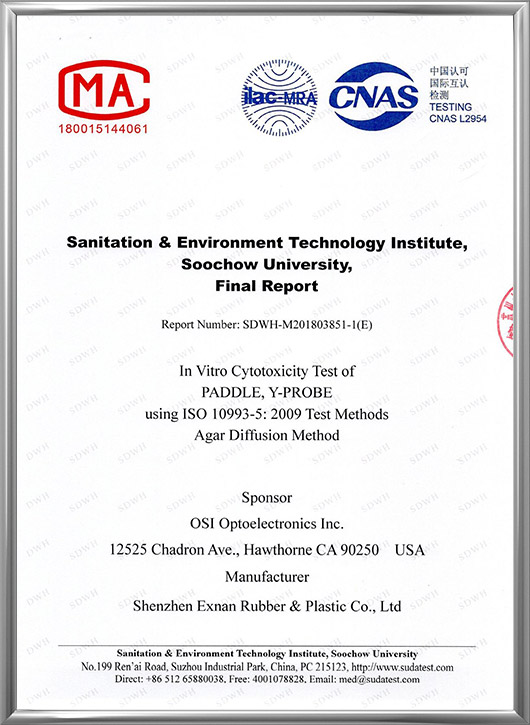
Cell toxicity test:agar diffusion method
Cooperating customers
Till now, Exnan products has been exports 35 countries, and more than 500 Medical equipment factory, health care companies, hospitals, clinics use our products, and win good reputation.




















New
Our silicone accessories meet international medical standards through strict quality control.
Ensure patient safety with our premium products. Explore our catalog today!
News
Our silicone accessories meet international medical standards through strict quality control.
Ensure patient safety with our premium products. Explore our catalog today!
Ensuring Patient Safety with Medical Device Silicone Parts
Time: 2024-12-26 11:21:05
Author: Guangdong Exnan Technology Co.,Ltd
Click:
When it comes to medical devices, patient safety is always the top priority. From surgical tools to implantable devices, every component must meet rigorous standards to ensure it is safe and effective.

1. Introduction
When it comes to medical devices, patient safety is always the top priority. From surgical tools to implantable devices, every component must meet rigorous standards to ensure it is safe and effective. One material that has gained significant attention in recent years for its exceptional properties and safety record is silicone. Let's dive into the world of silicone parts and how they play a crucial role in medical device manufacturing.
2. Properties of Silicone in Medical Applications
Biocompatibility
Silicone is known for its biocompatibility, which means it can be safely used in the human body without causing adverse reactions. This property is essential for medical devices, especially those that are in direct contact with tissues or blood. To ensure biocompatibility, materials undergo strict testing. For example, USP Class VI testing is a common standard used to evaluate materials for medical applications.
Flexibility and Durability
Silicone is incredibly flexible and durable. These properties make it ideal for use in devices that need to withstand repeated stress, such as tubing and catheters. For instance, a silicone catheter can bend and flex without breaking, reducing the risk of patient discomfort or device failure. The durability of silicone also means that it can last longer, providing a cost-effective solution for medical devices.
Transparency
Transparency is another key advantage of silicone, especially in applications where visual monitoring is crucial. Transparent silicone tubing allows healthcare providers to see fluid flow, ensuring that the device is functioning properly and that there are no blockages or leaks. This is particularly important in devices like respiratory masks and IV lines.

3. Manufacturing Standards and Regulations
USP Testing
The United States Pharmacopeia (USP) sets standards for the quality and purity of materials used in medical devices. USP Class VI testing is a comprehensive evaluation that includes tests for systemic toxicity, intracutaneous reactivity, and biological reactivity in vivo. This testing ensures that the silicone used in medical devices is safe and will not cause harmful reactions in the body.
ISO 10993 Testing
The International Organization for Standardization (ISO) has developed a set of guidelines, known as ISO 10993, which covers the biological evaluation of medical devices. This standard ensures that materials used in medical devices are safe for their intended use. For more information, you can check out the ISO 10993 guidelines.
FDA Compliance
The Food and Drug Administration (FDA) is responsible for regulating medical devices in the United States. To ensure patient safety, medical device manufacturers must comply with FDA regulations. These regulations cover everything from material selection to manufacturing processes. For a detailed overview, visit the FDA website.
4. Quality Control in Silicone Part Production
Material Selection
Choosing the right silicone for medical devices is critical. High-quality medical grade silicone should meet specific criteria, such as biocompatibility, flexibility, and durability. Companies like EXNAN specialize in producing medical grade silicone that meets these stringent standards. They source their materials from trusted suppliers and use advanced testing methods to ensure quality.
Processing and Moulding
The process of manufacturing silicone parts for medical devices is complex and requires specialized techniques. Injection moulding and compression moulding are two common methods used to create precise and consistent parts. EXNAN uses state-of-the-art equipment and highly trained technicians to produce silicone parts that meet the highest standards of precision and reliability.
Inspection and Testing
Quality control is essential in silicone part production. Each part must be inspected and tested to ensure it meets medical grade standards. EXNAN employs a multi-step inspection process, including visual inspections, dimensional measurements, and functional testing. This ensures that every silicone part is safe and effective before it leaves the factory.

5. Applications of Medical Device Silicone Parts
Implants
Silicone is widely used in implants, such as breast implants and cochlear implants. Its biocompatibility and flexibility make it an ideal material for these applications. For example, silicone breast implants are designed to mimic the feel and appearance of natural breast tissue, providing a more comfortable and natural-looking result.
Tubing and Pumps
Silicone tubing and pumps are essential components in many medical devices, including those used for fluid delivery and monitoring. The transparency of silicone tubing allows healthcare providers to see fluid flow, ensuring that the device is working correctly. EXNAN's silicone tubing is designed to be both flexible and durable, making it a reliable choice for medical applications.
IV Components
Silicone is also used in IV components, such as connectors and stoppers. These parts must be sterile and safe to use, and silicone's properties make it an excellent material for this purpose. EXNAN's IV components are manufactured to meet the highest standards of sterility and safety, ensuring that patients receive the care they need without risk.
Feeding Devices
Feeding devices, like feeding tubes and syringes, are critical for patient care and nutrition. Silicone is used in these devices because it is easy to clean, flexible, and durable. EXNAN offers a range of feeding device components that are designed to be both safe and effective, helping healthcare providers deliver essential nutrition to patients.
6. Case Studies
Case Study 1: Heart Valve
A leading medical device company recently used EXNAN's silicone parts in a heart valve. The silicone parts were used in the valve's sealing mechanism, ensuring that it functioned reliably and safely. The device was tested extensively and received overwhelming positive feedback from healthcare providers. This success story highlights the importance of high-quality silicone parts in medical device manufacturing.
Case Study 2: Respiratory Mask
Another company faced challenges in manufacturing a silicone respiratory mask. The mask needed to be both flexible and durable, but initial prototypes were not meeting these requirements. EXNAN worked with the company to optimize the manufacturing process, using specialized techniques and high-quality materials. The result was a highly effective and comfortable respiratory mask that significantly improved patient outcomes.

7. Challenges and Solutions in Using Silicone Parts
Cost Considerations
While high-quality silicone parts are essential for patient safety, they can be expensive to produce due to the stringent manufacturing processes. To manage costs, manufacturers can consider bulk purchasing and optimizing production processes. EXNAN offers cost-effective solutions without compromising on quality, making it a trusted partner for medical device companies.
Mechanical Limitations
Silicone can sometimes have mechanical limitations, such as low tensile strength and impact resistance. To address these issues, manufacturers can use reinforcing agents or different formulations of silicone. EXNAN has developed advanced silicone materials that offer improved mechanical properties, ensuring that devices can withstand the rigors of everyday use.
Permeability
Silicone is permeable to gases and liquids, which can be a concern in certain medical applications. To reduce permeability, manufacturers can use coatings or barrier layers. EXNAN uses innovative techniques to create silicone parts with reduced permeability, making them suitable for a wide range of devices.
Complex Processing
The specialized equipment and expertise required for silicone part manufacturing can be a challenge. Training and infrastructure investments are necessary to ensure that the manufacturing process is efficient and effective. EXNAN has a team of highly skilled technicians and the latest equipment, ensuring that every part is produced to the highest standards.

8. Future Trends in Medical Device Silicone Parts
Advancements in Silicone Technology
Recent advancements in silicone technology have led to the development of new materials with enhanced properties. Self-healing silicone, for example, can repair itself when damaged, making it ideal for use in devices that need to be highly reliable. EXNAN is at the forefront of these developments, continuously researching and innovating to create the best possible materials for medical devices.
Regulatory Changes
Regulatory standards for medical devices are constantly evolving. Companies must stay informed about the latest updates to ensure compliance. EXNAN keeps a close eye on regulatory changes and works closely with its clients to help them navigate these updates. For more information on regulatory changes, you can visit the ISO website.
Sustainability and Environmental Impact
Sustainability is becoming an increasingly important consideration in medical device manufacturing. Companies are looking for ways to reduce waste and environmental impact. EXNAN is committed to using eco-friendly materials and processes, and they offer recycling programs for their silicone parts. This approach not only benefits the environment but also helps companies meet their sustainability goals.
9. Conclusion
In summary, silicone parts play a crucial role in ensuring patient safety in medical device manufacturing. Their biocompatibility, flexibility, durability, and transparency make them an excellent choice for a wide range of applications. EXNAN is a trusted partner in this field, offering high-quality silicone parts and innovative solutions to address the challenges of medical device manufacturing.
Patient safety should always be the primary focus, and using high-quality materials like silicone is a key step in achieving this. We encourage medical device manufacturers to adhere to the highest standards and continue to innovate in the use of silicone parts to improve patient outcomes and enhance the reliability of medical devices.
If you have any questions or need further assistance, feel free to reach out to EXNAN. They are always here to help and provide the best solutions for your medical device needs.
Contact EXNAN:
- Website: exnan.com
- Email: sales01@exnan.com
- Phone: +86-180-0752-8206
References:
- USP Class VI Testing: PharmOutsourcing
- ISO 10993 Guidelines: ISO 10993
- FDA Regulations: FDA Medical Devices

点击右上角
分享给朋友吧







 Long by picture save/share
0
Prev : The Applications and Benefits of Silicone in Medical Devices
Next : Common Types and Uses of Silicone Parts in Medical Devices
文章推荐
Silicone Parts Fail After Sterilization: 5 Proven Fixes
Medical Silicone vs. TPE/TPU: Why Is Silicone Still the Preferred Material for Medical Consumables?
Medical Silicone Mold Design: The First Gateway to Product Precision
New Requirements of ISO13485:2016 for Medical Silicone Suppliers
Medical Silicone Consumables Market Sees New Growth: Respiratory Equipment Drives Demand for Precision Components
Related news recommendations —
Related Products —




News Products —
INQUIRY


Add Successfully

Hey there, I’m Steve!
15+ years in medical silicone accessories, linking manufacturers and healthcare providers for compliant, high-quality products. Trusted advisor focused on innovation and patient care. If you are looking for custom-made silicone rubber products, feel free to ask me any questions.
Hey there, I’m Steve!
15+ years in medical silicone accessories, linking manufacturers and healthcare providers for compliant, high-quality products. Trusted advisor focused on innovation and patient care. If you are looking for custom-made silicone rubber products, feel free to ask me any questions.
Welcome to contact us
If you have any questions, please fill in the relevant information. Weare very willing to provide more information and a full range ofservices for both you and your company
Welcome to contact us
If you have any questions, please fill in the relevant information. Weare very willing to provide more information and a full range ofservices for both you and your company
EXNAN
点击右上角
分享给朋友吧
Copyright © 2004-2024 Guangdong Exnan Technology Co.,Ltd
点击右上角
分享给朋友吧
Copyright © 2004-2024 Guangdong Exnan Technology Co.,Ltd

 +86-0752-3869959 / 3869960
 +86 180 0752 8206
 Building 8, China-Korea Emerging Intelligent Manufacturing Industrial Park, No.27, Songbailing Road, China-Korea (Huizhou) Industrial Park, Zhongkai Area, Huizhou City, Guangdong Province, China

WeChat scan
