

Contact Us
lf you have any queries, get in touch today! Don't hesitate, We try to take the extra step forour customer satisfaction.
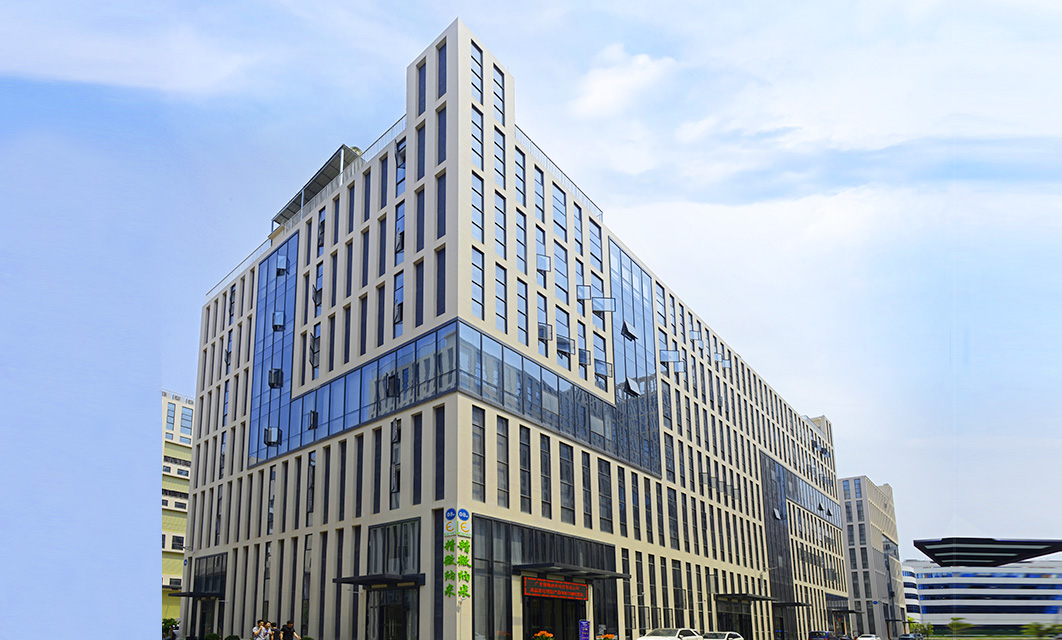
Hey there, I’m Steve!
I’m the sales manager of exnan medical silicone. I have been in this field for more than ten years. If you are looking for custom-made silicone rubber products, feel free to ask me any questions.
"
Our certificate
Possess 800 square meters of Class 10,000 dust-free workshop, Passed ISO9001:2015 quality management system certification and ISO13485:2016 medical device quality management system, and its products have obtained multiple biocompatibility tests, US FDA and EU LFGB certifications.
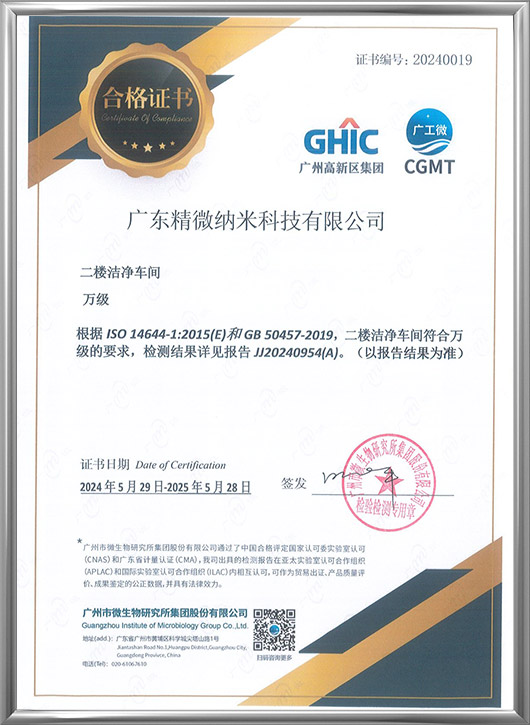
Class 10,000 cleanroom certification
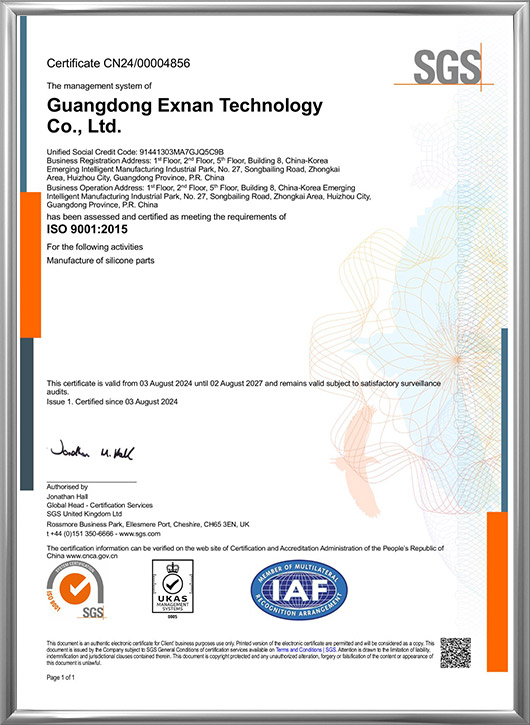
ISO 9001:2015
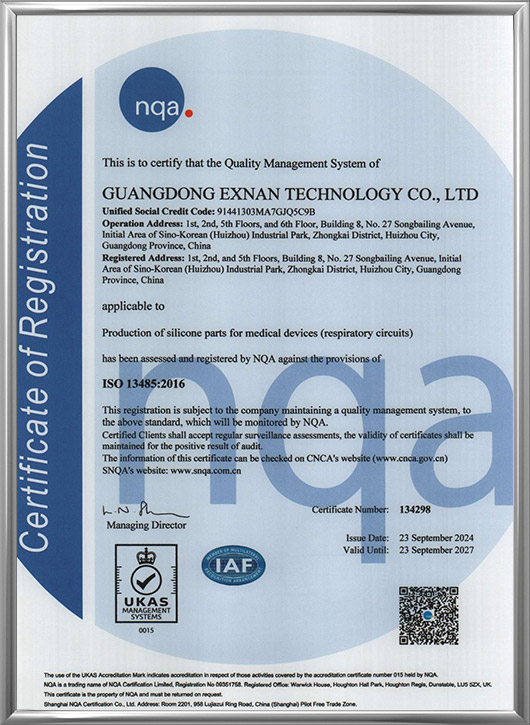
ISO 13485:2016
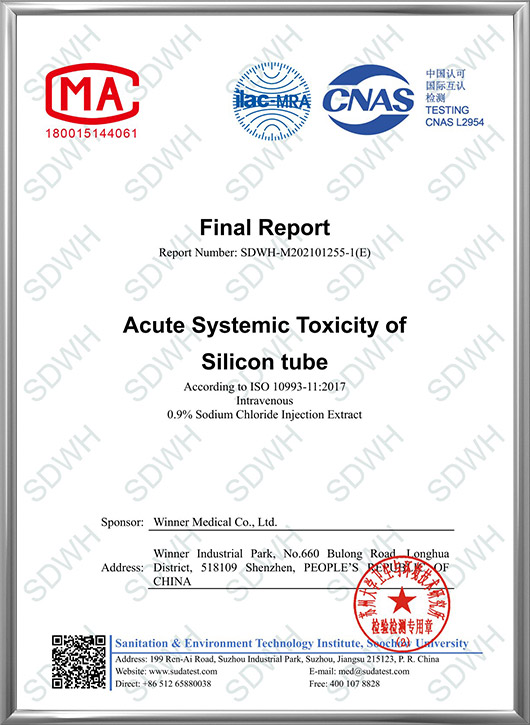
ISO 10993-11:2017 Tail vein injection
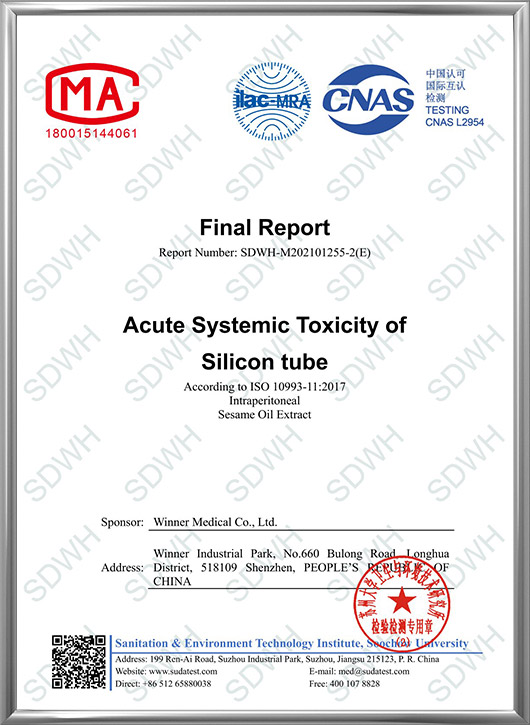
ISO 10993-11:2017 Intraperitoneal injection
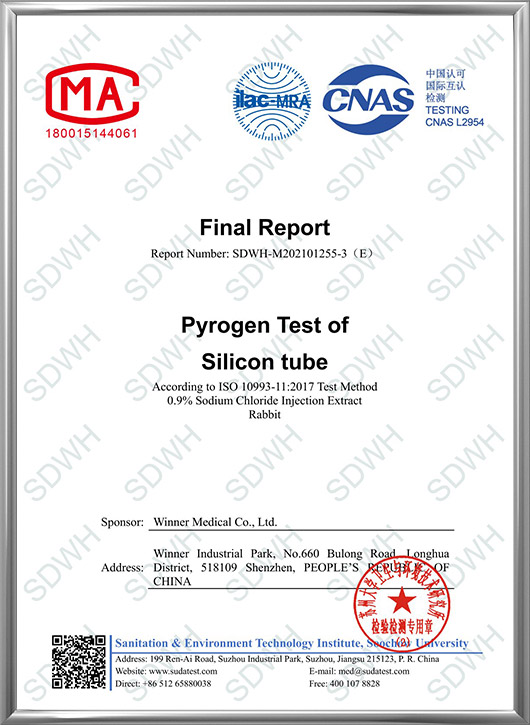
ISO 10993-11:2017 Pyrogens
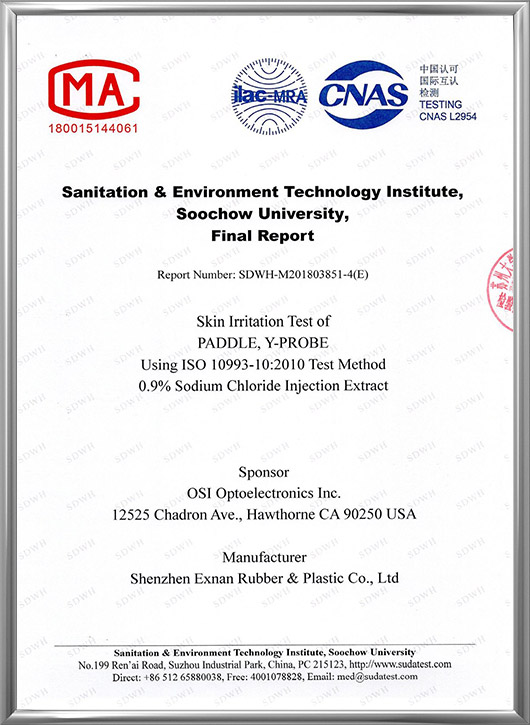
Skin irritation test for extract of 0.9% sodium chloride injection
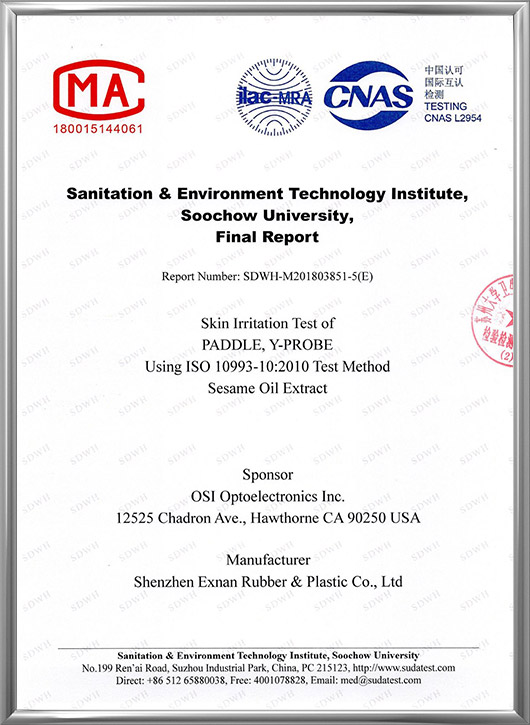
Skin irritation test for sesame oil extraction
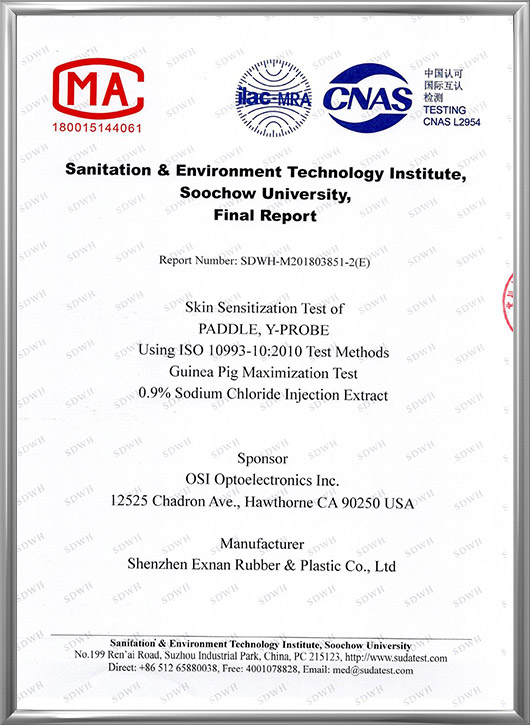
Skin sensitization test in guinea pigs using the maximization method with 0.9% sodium chloride injec
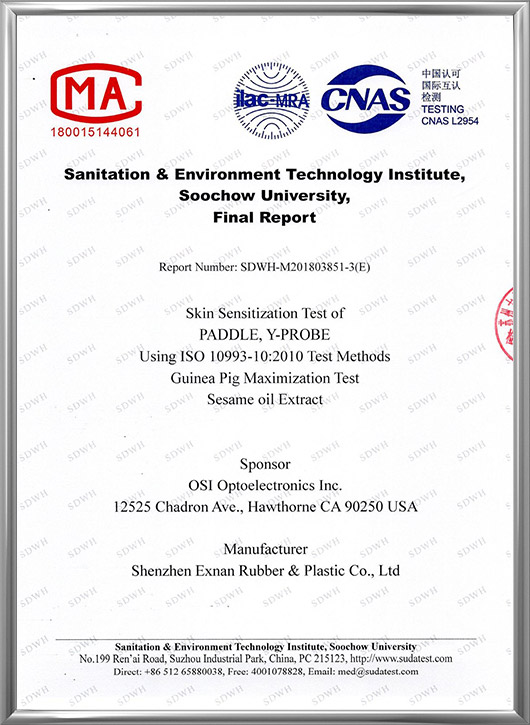
Skin sensitization test in guinea pigs:maximization method with sesame oil extraction
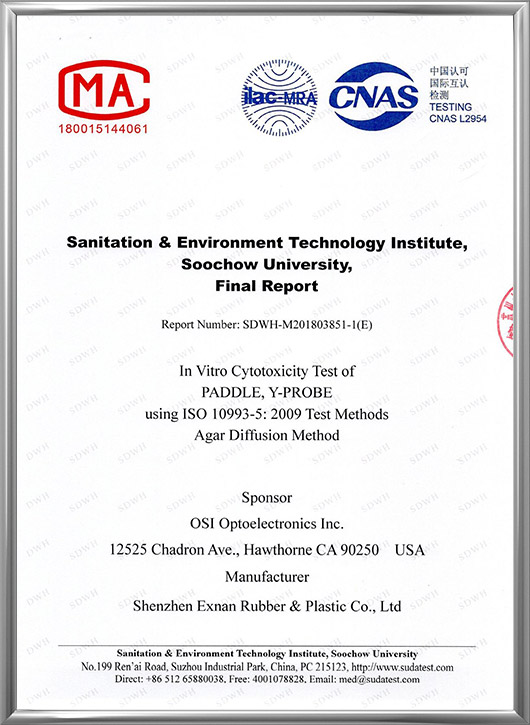
Cell toxicity test:agar diffusion method
Cooperating customers
Till now, Exnan products has been exports 35 countries, and more than 500 Medical equipment factory, health care companies, hospitals, clinics use our products, and win good reputation.










New
Our silicone accessories meet international medical standards through strict quality control.
Ensure patient safety with our premium products. Explore our catalog today!
News
Our silicone accessories meet international medical standards through strict quality control.
Ensure patient safety with our premium products. Explore our catalog today!
What is antimicrobial silicone?
Time: 2025-03-21 10:48:50
Author: Guangdong Exnan Technology Co.,Ltd
Click:
Micra-Sil® antimicrobial silicone rubber combines the advantageous properties of traditional rubber with microbial resistance. This material actively eliminates bacteria and microorganisms while providing lasting protection against subsequent contamination. Key features include neutrality in taste and odor, safety for human contact (non-toxic), stability (no chemical leaching), and corrosion resistance.
Q: What is antimicrobial silicone?
A: Micra-Sil® antimicrobial silicone rubber combines the advantageous properties of traditional rubber with microbial resistance. This material actively eliminates bacteria and microorganisms while providing lasting protection against subsequent contamination. Key features include neutrality in taste and odor, safety for human contact (non-toxic), stability (no chemical leaching), and corrosion resistance.
Q: What is an antibacterial coating?
A: Antibacterial coatings are surface treatments applied to medical devices to prevent infections linked to medical implants. These coatings function through contrasting mechanisms: passive variants create bacteria-repellent surfaces or contact-killing layers, while active types incorporate controlled release of antimicrobial agents at the implantation site.
Q: What is an example of an antimicrobial solution?
A: Alcohol-based formulations like ethyl alcohol, n-propanol, and isopropyl alcohol are commonly employed antimicrobial solutions. While methanol exhibits disinfectant properties, its extreme toxicity limits practical use. These alcohol solutions demonstrate efficacy against pathogens including E. coli, Salmonella species, and Staphylococcus aureus.
Q: What are the different types of antimicrobial coatings?
A: Antimicrobial coatings primarily utilize four categories of active components: isothiazolinone derivatives, zinc pyrithione complexes, silver-based formulations, and quaternary ammonium compounds. Each category exhibits distinct advantages and limitations in terms of antimicrobial spectrum, durability, and application compatibility.
Q: What is the difference between medical silicone and silicone?
A: Medical-grade silicone undergoes rigorous purification processes to achieve ultra-low impurity levels, meeting strict biocompatibility standards (e.g., ISO 10993). Unlike conventional silicone, it's manufactured under controlled cleanroom conditions using specialized techniques to ensure sterilization and minimize biological contamination risks.

点击右上角
分享给朋友吧







 Long by picture save/share
0
Prev : Can medical-grade silicone be sterilized?
Next : What is the difference between liquid silicone and medical silicone?
文章推荐
Silicone Parts Fail After Sterilization: 5 Proven Fixes
Medical Silicone vs. TPE/TPU: Why Is Silicone Still the Preferred Material for Medical Consumables?
Medical Silicone Mold Design: The First Gateway to Product Precision
New Requirements of ISO13485:2016 for Medical Silicone Suppliers
Medical Silicone Consumables Market Sees New Growth: Respiratory Equipment Drives Demand for Precision Components
Related news recommendations —
Related Products —


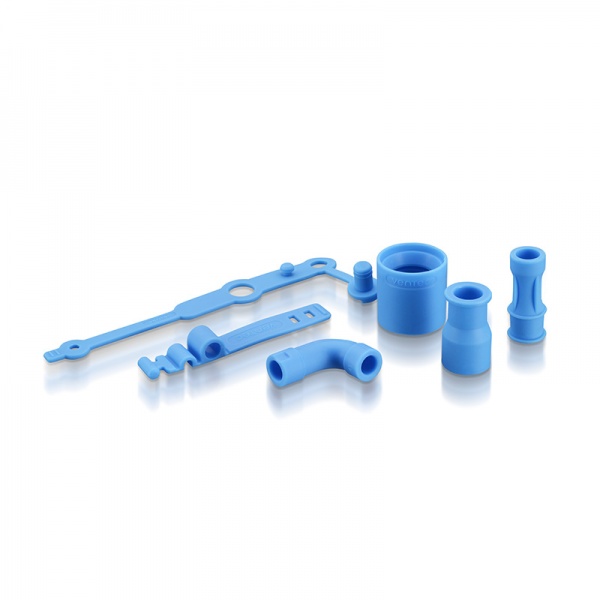

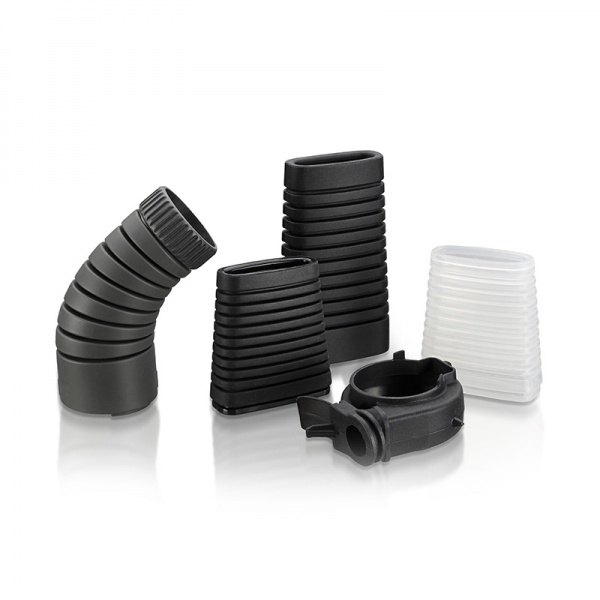

News Products —
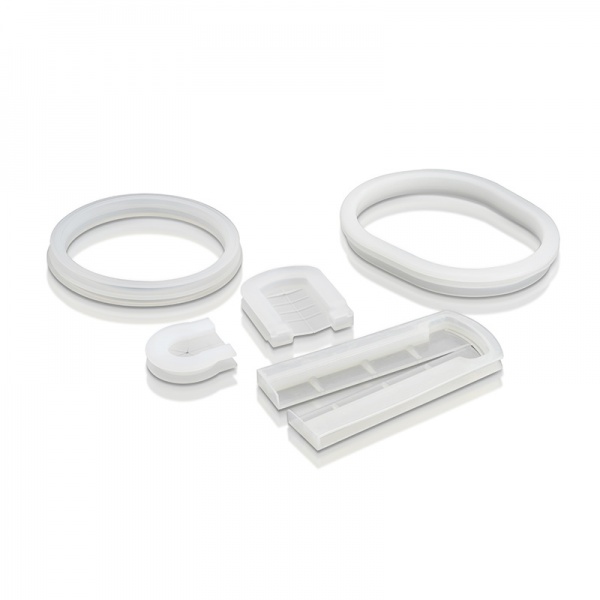
INQUIRY


Add Successfully

Hey there, I’m Steve!
15+ years in medical silicone accessories, linking manufacturers and healthcare providers for compliant, high-quality products. Trusted advisor focused on innovation and patient care. If you are looking for custom-made silicone rubber products, feel free to ask me any questions.
Hey there, I’m Steve!
15+ years in medical silicone accessories, linking manufacturers and healthcare providers for compliant, high-quality products. Trusted advisor focused on innovation and patient care. If you are looking for custom-made silicone rubber products, feel free to ask me any questions.
Welcome to contact us
If you have any questions, please fill in the relevant information. Weare very willing to provide more information and a full range ofservices for both you and your company
Welcome to contact us
If you have any questions, please fill in the relevant information. Weare very willing to provide more information and a full range ofservices for both you and your company
EXNAN
点击右上角
分享给朋友吧
Copyright © 2004-2024 Guangdong Exnan Technology Co.,Ltd
点击右上角
分享给朋友吧
Copyright © 2004-2024 Guangdong Exnan Technology Co.,Ltd

 +86-0752-3869959 / 3869960
 +86 180 0752 8206
 Building 8, China-Korea Emerging Intelligent Manufacturing Industrial Park, No.27, Songbailing Road, China-Korea (Huizhou) Industrial Park, Zhongkai Area, Huizhou City, Guangdong Province, China

WeChat scan
