

Contact Us
lf you have any queries, get in touch today! Don't hesitate, We try to take the extra step forour customer satisfaction.

Hey there, I’m Steve!
I’m the sales manager of exnan medical silicone. I have been in this field for more than ten years. If you are looking for custom-made silicone rubber products, feel free to ask me any questions.
"
Our certificate
Possess 800 square meters of Class 10,000 dust-free workshop, Passed ISO9001:2015 quality management system certification and ISO13485:2016 medical device quality management system, and its products have obtained multiple biocompatibility tests, US FDA and EU LFGB certifications.
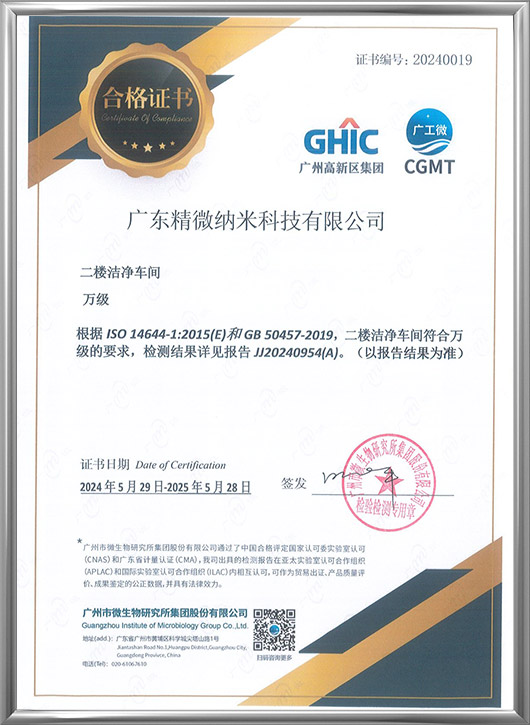
Class 10,000 cleanroom certification
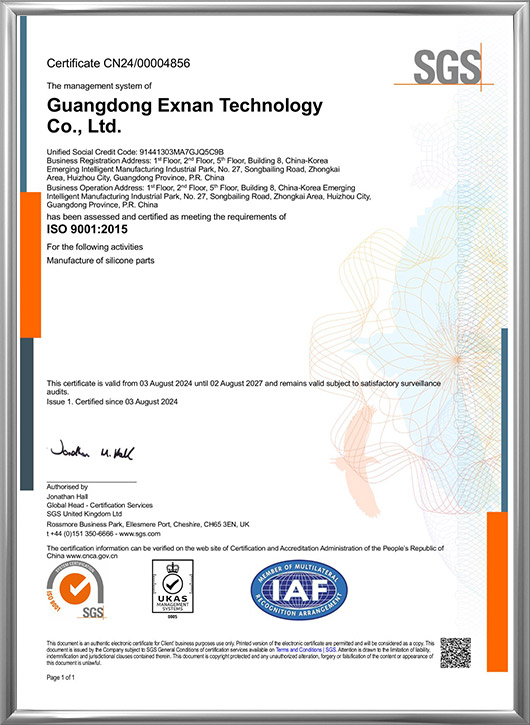
ISO 9001:2015
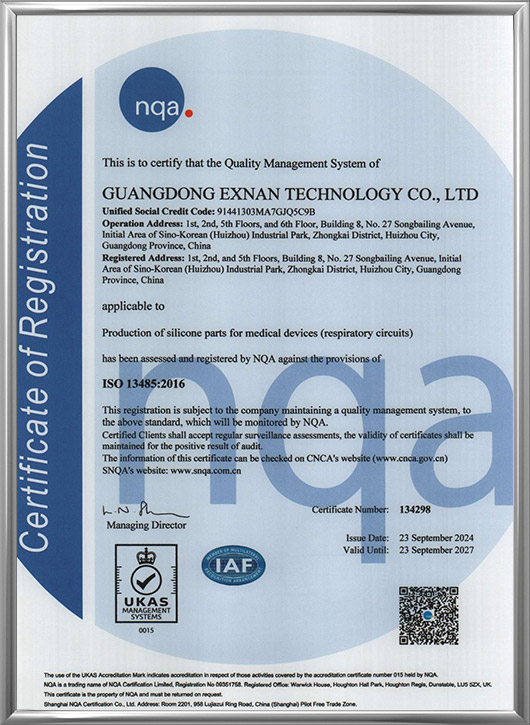
ISO 13485:2016
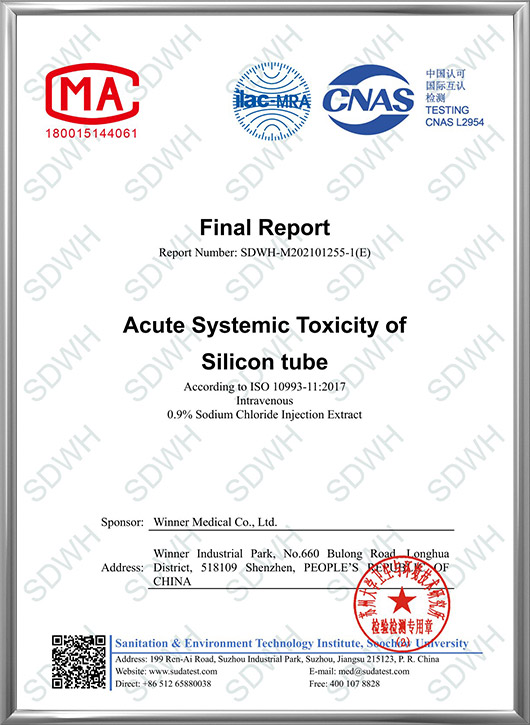
ISO 10993-11:2017 Tail vein injection
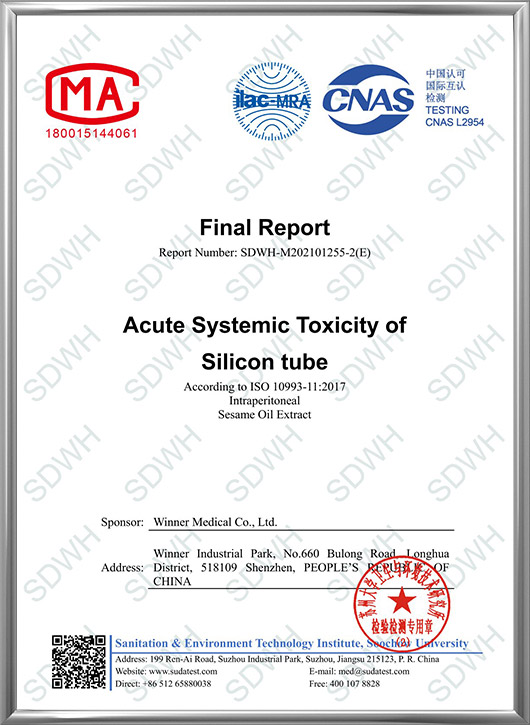
ISO 10993-11:2017 Intraperitoneal injection
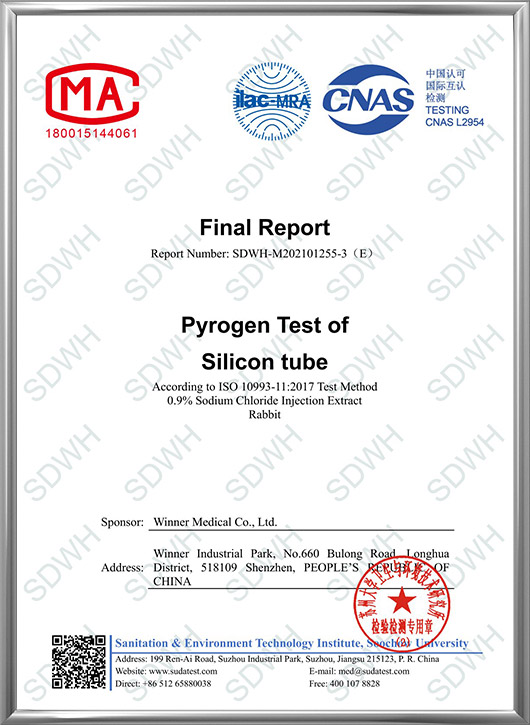
ISO 10993-11:2017 Pyrogens
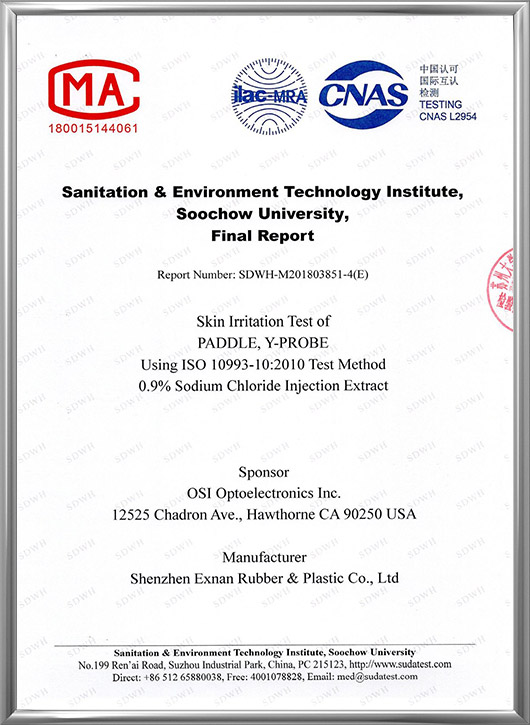
Skin irritation test for extract of 0.9% sodium chloride injection
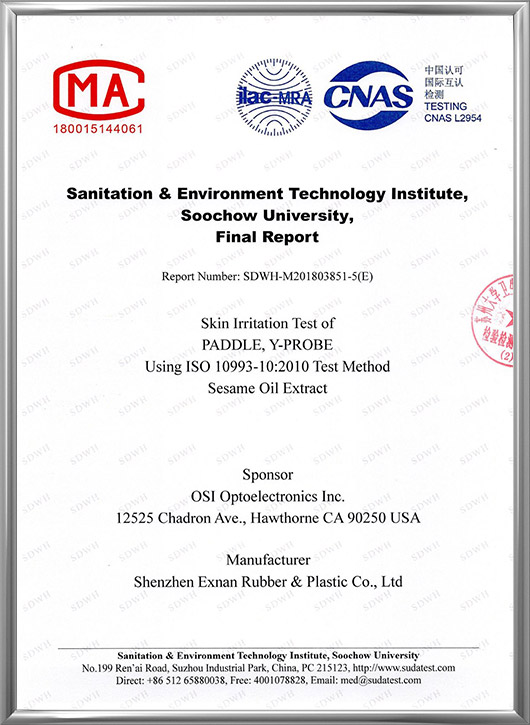
Skin irritation test for sesame oil extraction
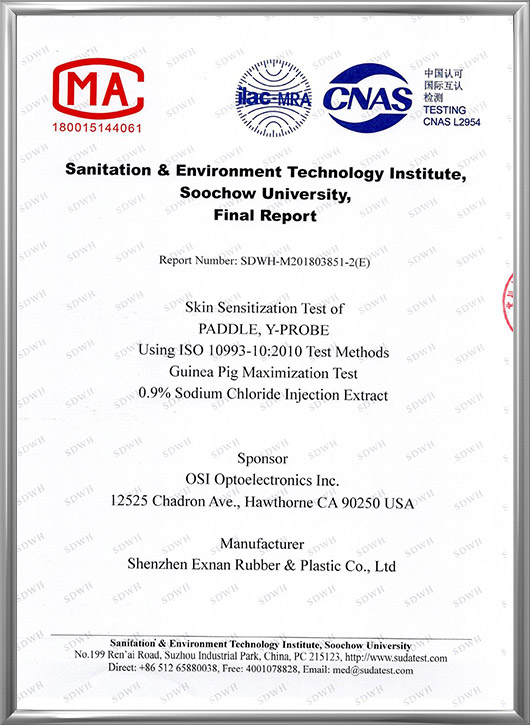
Skin sensitization test in guinea pigs using the maximization method with 0.9% sodium chloride injec
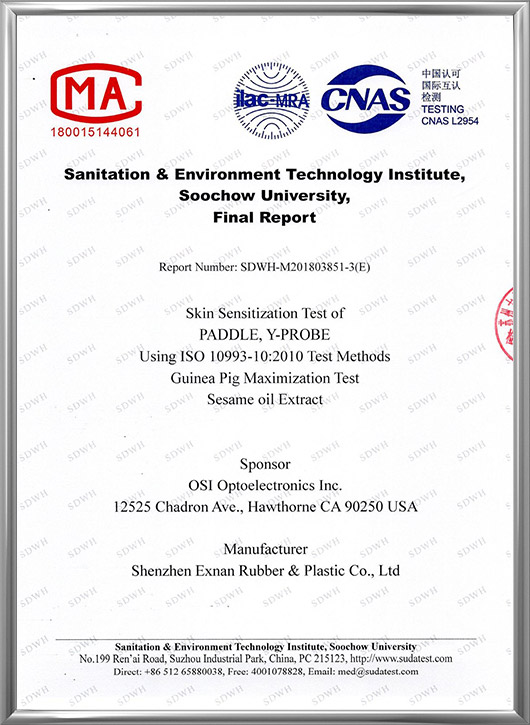
Skin sensitization test in guinea pigs:maximization method with sesame oil extraction
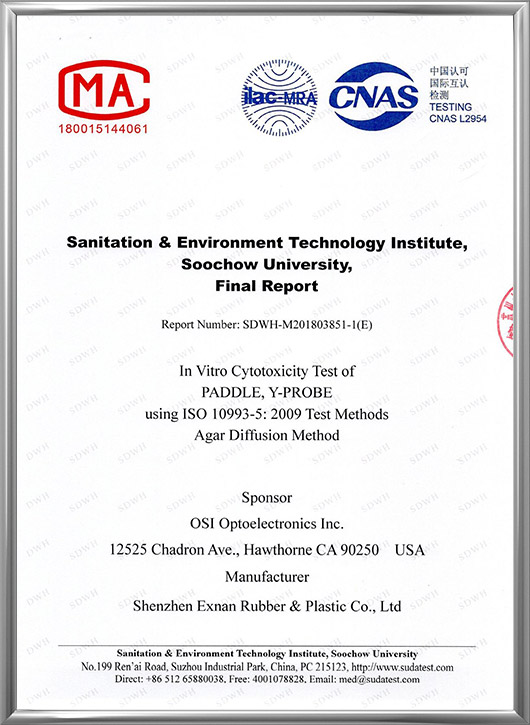
Cell toxicity test:agar diffusion method
Cooperating customers
Till now, Exnan products has been exports 35 countries, and more than 500 Medical equipment factory, health care companies, hospitals, clinics use our products, and win good reputation.


















New
Our silicone accessories meet international medical standards through strict quality control.
Ensure patient safety with our premium products. Explore our catalog today!
News
Our silicone accessories meet international medical standards through strict quality control.
Ensure patient safety with our premium products. Explore our catalog today!
Silicone Seals and Gaskets for Medical Equipment
Time: 2024-12-23 10:28:17
Author: Guangdong Exnan Technology Co.,Ltd
Click:
Hey there, medical professionals and engineers! If you've ever wondered what keeps your medical equipment running smoothly and safely, you might want to tune in.

1. Introduction
Hey there, medical professionals and engineers! If you've ever wondered what keeps your medical equipment running smoothly and safely, you might want to tune in. Silicone seals and gaskets play a vital role in ensuring that medical devices, from ventilators to surgical instruments, perform at their best. These components are not just any rubber; they are specifically designed to meet the stringent demands of the medical field. In this article, we'll dive into the properties, applications, and manufacturing processes of silicone seals and gaskets, and highlight why EXNAN's silicones are a top choice for your equipment.
2. Properties of Silicone Rubber
Biocompatibility
Silicone rubber is incredibly biocompatible, which means it can safely come into contact with human tissue and fluids without causing adverse reactions. This is crucial for medical applications, where patient safety is paramount. According to a study by Alastair Winn in 1996, silicone rubber is one of the most biocompatible materials available, making it a favorite in the medical industry.
Mechanical Characteristics
Silicone rubber is known for its flexibility, durability, and tensile strength. It can bend and stretch without breaking, and it can withstand repeated use. This makes it ideal for components that need to move or conform to different shapes, such as seals and gaskets.
Chemical and Temperature Resistance
Silicone rubber can handle a wide range of chemicals, from alcohols to acids, without degrading. It also remains stable over a broad temperature range, from -50°C to 200°C. This makes it perfect for environments where temperature and chemical exposure can vary.
Processing Flexibility
Silicone is incredibly versatile when it comes to manufacturing. Whether you need it extruded, liquid injection molded, or transfer molded, it can be done with precision and consistency. This flexibility allows manufacturers to create seals and gaskets in a variety of shapes and sizes.

3. Common Applications of Silicone Seals and Gaskets
Medical Devices
You can find silicone seals and gaskets in a wide range of medical devices. For example, ventilators rely on silicone seals to ensure airtight connections, while dialysis machines use them to prevent leaks. Surgical instruments also often feature silicone gaskets to maintain sterile conditions and protect internal components.
Pharmaceutical Equipment
In pharmaceutical manufacturing, silicone seals and gaskets are used in everything from mixing tanks to packaging equipment. They help prevent contamination and ensure that the equipment operates efficiently and safely.
Imaging Equipment
When it comes to imaging equipment like MRI machines and CT scanners, silicone seals are essential for maintaining the integrity of the device and protecting sensitive electronics. They also help ensure patient comfort by providing a soft, non-allergenic surface.
4. Manufacturing Processes
Extrusion
Extrusion is a common process used to produce silicone seals and gaskets. The silicone is heated and forced through a die to create the desired shape. This process is great for producing long, continuous pieces like tubing and sealing strips.
Liquid Injection Molding (LIM)
LIM is a highly precise method of manufacturing silicone components. The liquid silicone is injected into a mold and then cured, resulting in consistent and accurate parts. This process is ideal for complex shapes and high-volume production runs. According to Virgil J. Johnson in 1997, LIM can significantly improve the quality and performance of medical silicone components.
Transfer Molding
Transfer molding involves pre-forming the silicone and then transferring it into a mold for curing. This process is suitable for producing intricate and detailed parts, making it a go-to method for custom designs.

5. Customization and Secondary Operations
Material Selection
Choosing the right silicone compound is crucial for the performance of your seals and gaskets. Different applications require different properties, so working with a knowledgeable supplier like EXNAN can make all the difference.
Design Assistance
Fabricators can offer valuable assistance with custom design and tooling. They can help you optimize your part for manufacturability and performance, ensuring that you get the best possible results.
Secondary Operations
Once the primary manufacturing is complete, secondary operations can enhance the functionality of your seals and gaskets. These can include silk-screening for labeling, beveling for smoother edges, and functional testing to ensure everything works as expected.
6. Quality and Compliance
Quality Control
Quality control is non-negotiable in the medical industry. Audited quality control systems and advanced inspection equipment are essential to ensure that every component meets the highest standards.
Compliance Requirements
Silicone seals and gaskets must comply with various regulatory standards, such as FDA and ISO. Working with a supplier that understands these requirements can simplify the compliance process and provide peace of mind.
Cleanroom Manufacturing
Manufacturing in a controlled environment, such as a cleanroom, helps maintain the cleanliness and sterility of your products. This is particularly important for medical applications where contamination can be a major issue.

7. Advantages Over Other Materials
Comparison with Latex
Silicone rubber outshines latex in terms of biocompatibility and stability. Latex can cause allergic reactions, while silicone is hypoallergenic and more durable.
Comparison with PVC
PVC often contains leachable plasticizers that can contaminate medical devices and fluids. Silicone, on the other hand, is inert and does not leach, making it a safer choice.
Comparison with Polyurethane
Polyurethane can degrade over time, especially when exposed to certain chemicals and UV light. Silicone, however, offers better clarity, stability, and a lower compression set, making it more reliable in medical applications.
Comparison with Thermoplastic Elastomers
While thermoplastic elastomers (TPEs) have their uses, silicone rubber offers superior chemical resistance and more sterilization options. This makes it a better fit for the demanding environments found in medical equipment.
8. Vendor Considerations
Engineering and Design Expertise
When choosing a supplier, look for one with a strong engineering team. They can help you design and optimize your components for the best performance.
Materials Knowledge
Expertise in selecting and supplying appropriate silicone compounds is crucial. A supplier that understands the unique needs of the medical industry can make a significant difference in the quality and effectiveness of your products.
Manufacturing Capabilities
Your supplier should have the capability to handle different production volumes and comply with quality system regulations. EXNAN, for example, has state-of-the-art facilities and a proven track record of meeting these requirements.
Quality Assurance
Advanced inspection equipment and comprehensive testing capabilities are essential for ensuring that your seals and gaskets meet the highest standards. EXNAN uses the latest technology to inspect and test every product, so you can trust that your equipment will perform reliably.

9. Case Studies
Example 1: Ventilator Seals
A leading ventilator manufacturer turned to EXNAN for custom silicone seals. The seals were designed to provide airtight connections and withstand repeated sterilization. The result was a ventilator that performed consistently and safely, even under the most challenging conditions.
Example 2: Dialysis Machine Gaskets
Another client needed gaskets for their dialysis machine. EXNAN provided high-quality silicone gaskets that prevented leaks and maintained sterility, ensuring that the machine operated at its best and kept patients safe.
Example 3: Surgical Instrument Seals
For a company specializing in surgical instruments, EXNAN developed custom silicone seals to protect the delicate internal components of their instruments. The seals were easy to sterilize and provided a reliable seal, enhancing the overall performance and safety of the instruments.
10. Conclusion
Silicone seals and gaskets are essential for the proper functioning and safety of medical equipment. Their biocompatibility, mechanical characteristics, and chemical and temperature resistance make them a top choice in the industry. EXNAN's advanced manufacturing processes, customization options, and commitment to quality and compliance ensure that you get the best possible components for your medical devices. As silicone technology continues to evolve, we can expect even more innovative and reliable solutions in the future.
Bibliography
- Johnson, Virgil J. "Injection Molding with Liquid Silicone Rubbers: Using Process Design to Maximize Results." *Medical Plastics and Biomaterials* 4, no. 6 (1997): 26–33.
- Lynch, Wilfred. *Handbook of Silicone Rubber Fabrication*. New York: Van Nostrand Reinhold, 1978.
- Winn, Alastair. "Factors in Selecting Medical Silicones." *Medical Plastics and Biomaterials* 3, no. 2 (1996): 16–19.
- Wolf, Byron E. "Comparing Liquid and High Consistency Silicone Rubber Elastomers: Which Is Right for You?" *Medical Plastics and Biomaterials* 4, no. 4 (1997): 34–40.

点击右上角
分享给朋友吧







 Long by picture save/share
0
Prev : Innovations in Silicone for Medical Devices: Advancing Healthcare Through Material Science
Next : Why Choose Silicone for Medical Device Parts: A Comprehensive Overview
文章推荐
Silicone Parts Fail After Sterilization: 5 Proven Fixes
Medical Silicone vs. TPE/TPU: Why Is Silicone Still the Preferred Material for Medical Consumables?
Medical Silicone Mold Design: The First Gateway to Product Precision
New Requirements of ISO13485:2016 for Medical Silicone Suppliers
Medical Silicone Consumables Market Sees New Growth: Respiratory Equipment Drives Demand for Precision Components
Related news recommendations —
Related Products —




News Products —
INQUIRY


Add Successfully

Hey there, I’m Steve!
15+ years in medical silicone accessories, linking manufacturers and healthcare providers for compliant, high-quality products. Trusted advisor focused on innovation and patient care. If you are looking for custom-made silicone rubber products, feel free to ask me any questions.
Hey there, I’m Steve!
15+ years in medical silicone accessories, linking manufacturers and healthcare providers for compliant, high-quality products. Trusted advisor focused on innovation and patient care. If you are looking for custom-made silicone rubber products, feel free to ask me any questions.
Welcome to contact us
If you have any questions, please fill in the relevant information. Weare very willing to provide more information and a full range ofservices for both you and your company
Welcome to contact us
If you have any questions, please fill in the relevant information. Weare very willing to provide more information and a full range ofservices for both you and your company
EXNAN
点击右上角
分享给朋友吧
Copyright © 2004-2024 Guangdong Exnan Technology Co.,Ltd
点击右上角
分享给朋友吧
Copyright © 2004-2024 Guangdong Exnan Technology Co.,Ltd

 +86-0752-3869959 / 3869960
 +86 180 0752 8206
 Building 8, China-Korea Emerging Intelligent Manufacturing Industrial Park, No.27, Songbailing Road, China-Korea (Huizhou) Industrial Park, Zhongkai Area, Huizhou City, Guangdong Province, China

WeChat scan
