

Contact Us
lf you have any queries, get in touch today! Don't hesitate, We try to take the extra step forour customer satisfaction.

Hey there, I’m Steve!
I’m the sales manager of exnan medical silicone. I have been in this field for more than ten years. If you are looking for custom-made silicone rubber products, feel free to ask me any questions.
"
Our certificate
Possess 800 square meters of Class 10,000 dust-free workshop, Passed ISO9001:2015 quality management system certification and ISO13485:2016 medical device quality management system, and its products have obtained multiple biocompatibility tests, US FDA and EU LFGB certifications.
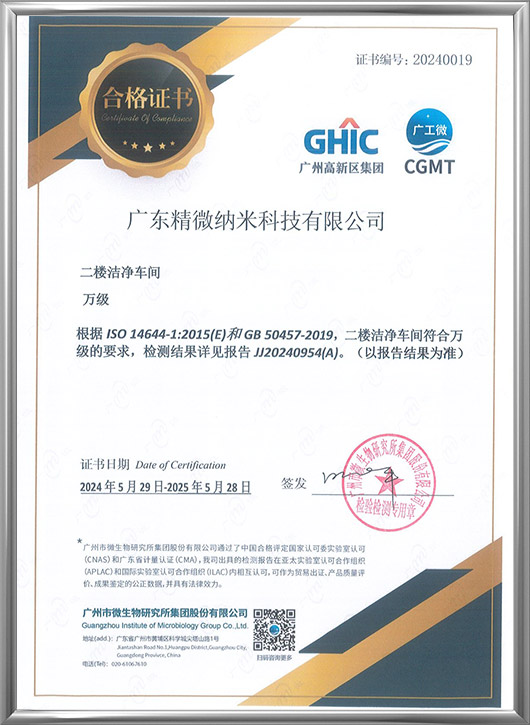
Class 10,000 cleanroom certification
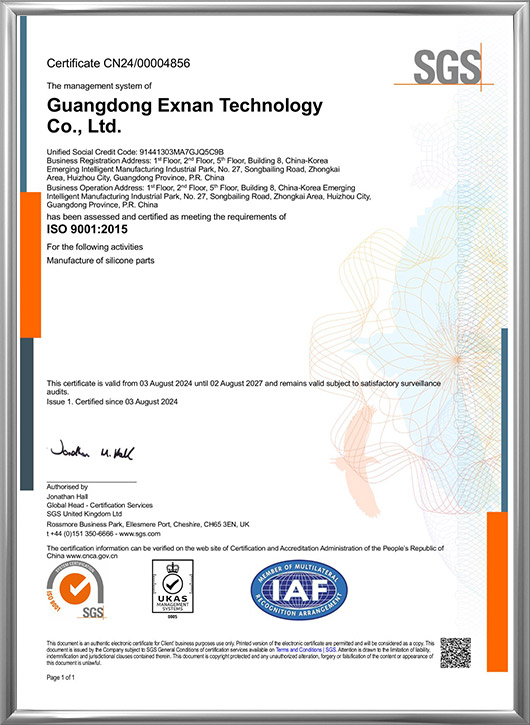
ISO 9001:2015
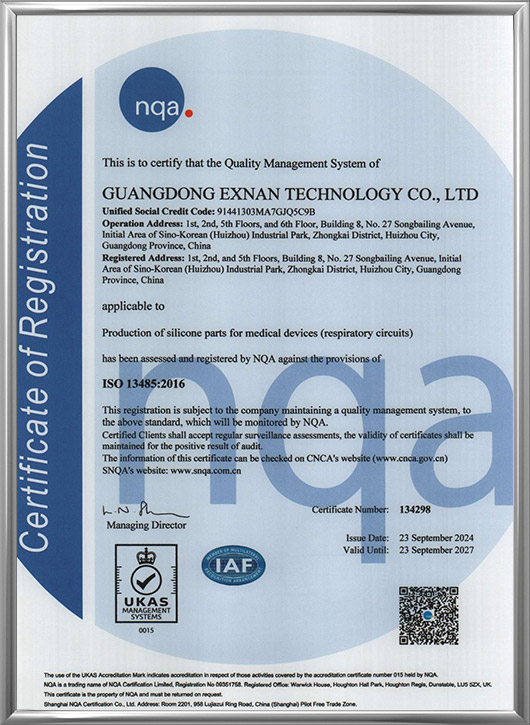
ISO 13485:2016
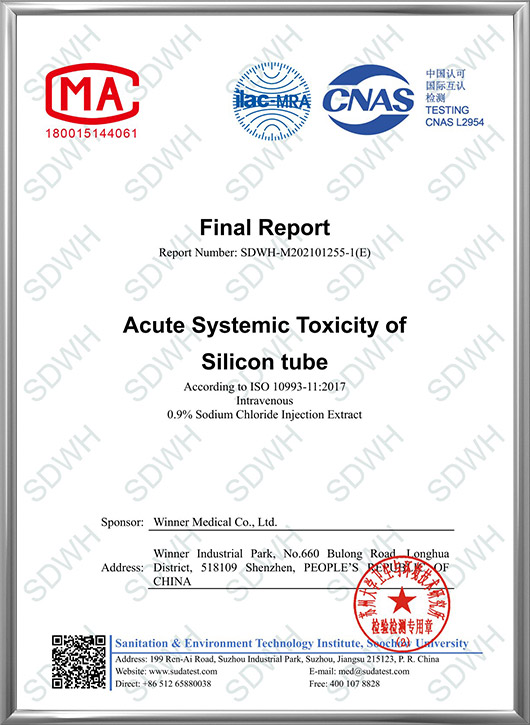
ISO 10993-11:2017 Tail vein injection
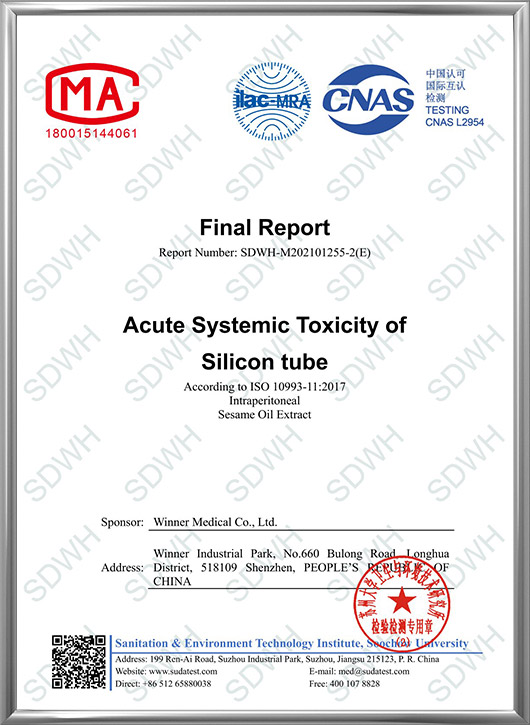
ISO 10993-11:2017 Intraperitoneal injection
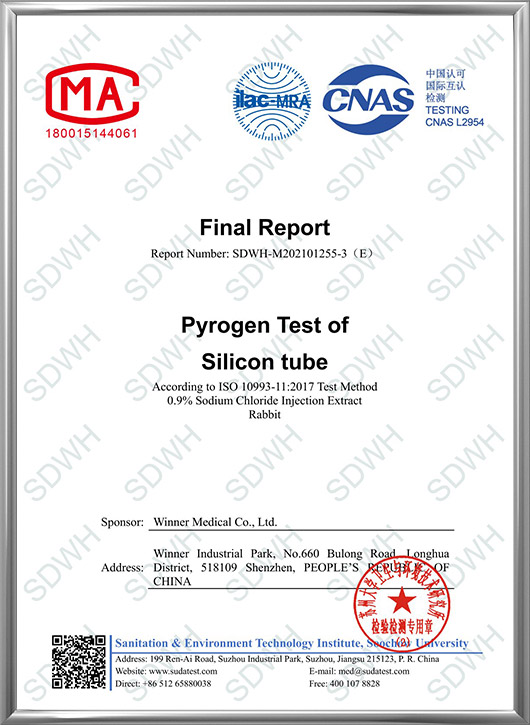
ISO 10993-11:2017 Pyrogens
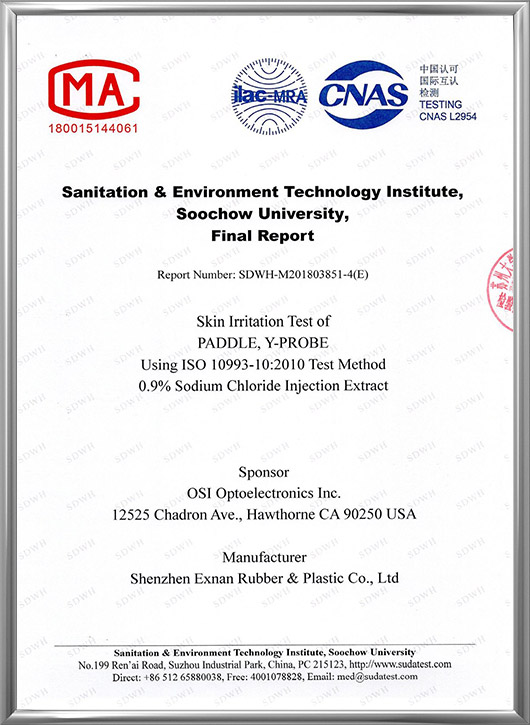
Skin irritation test for extract of 0.9% sodium chloride injection
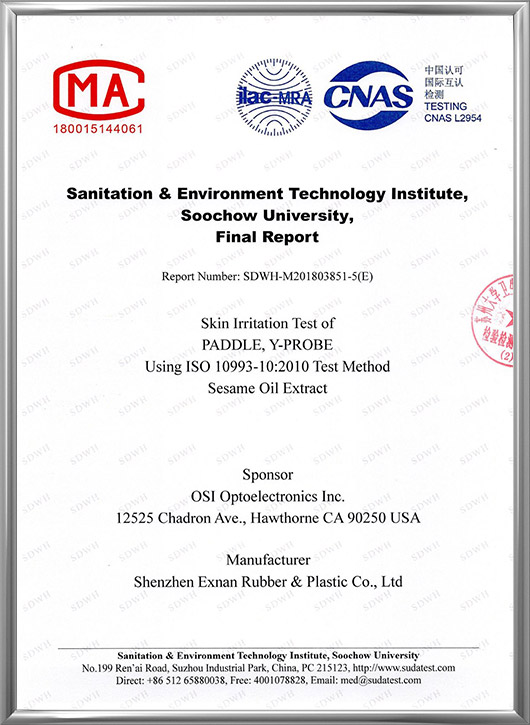
Skin irritation test for sesame oil extraction
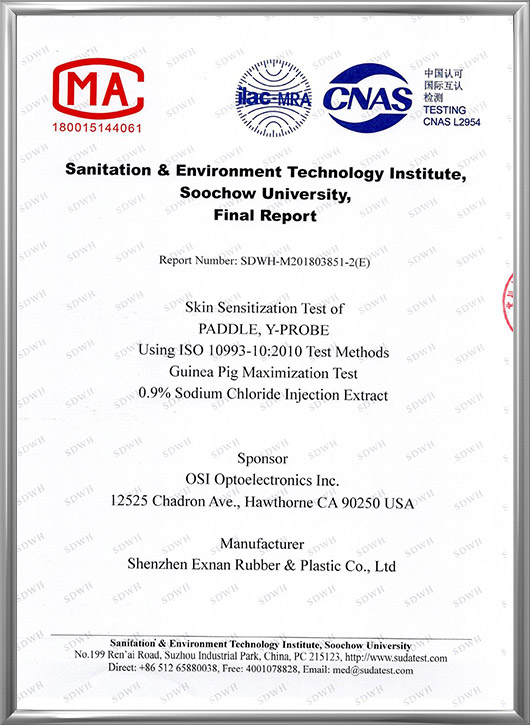
Skin sensitization test in guinea pigs using the maximization method with 0.9% sodium chloride injec
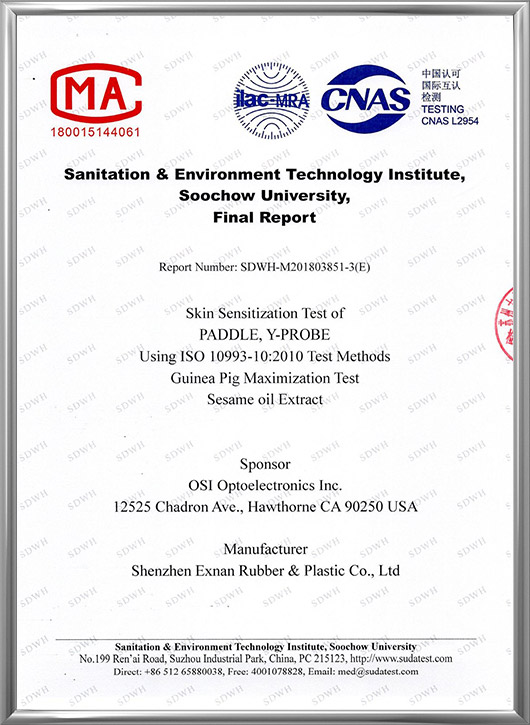
Skin sensitization test in guinea pigs:maximization method with sesame oil extraction
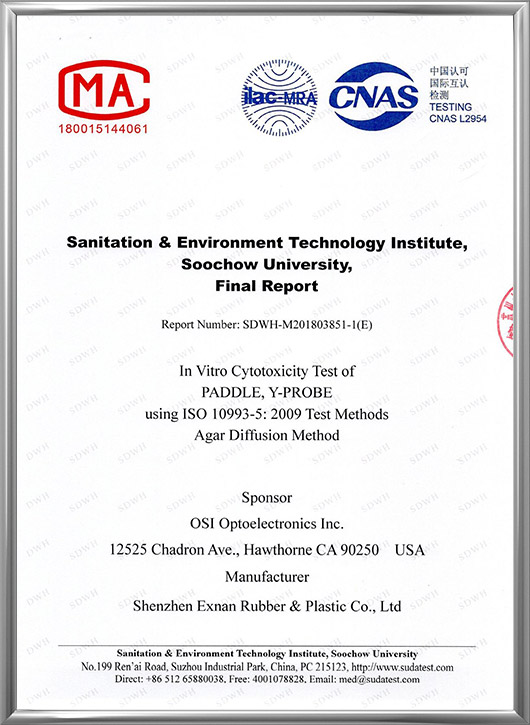
Cell toxicity test:agar diffusion method
Cooperating customers
Till now, Exnan products has been exports 35 countries, and more than 500 Medical equipment factory, health care companies, hospitals, clinics use our products, and win good reputation.



















New
Our silicone accessories meet international medical standards through strict quality control.
Ensure patient safety with our premium products. Explore our catalog today!
News
Our silicone accessories meet international medical standards through strict quality control.
Ensure patient safety with our premium products. Explore our catalog today!
Silicone Material Selector Tool: Find the Right Grade for Your Application
Time: 2025-06-12 10:32:41
Author: Guangdong Exnan Technology Co.,Ltd
Click:
Choosing the right silicone material can seem confusing. Every project has different needs, like handling heat or chemicals. For instance, scar treatment sheets made of silicone may not work well on joints because they can be uncomfortable. Also, making silicone elastomers takes careful mixing and slow drying, which makes picking the right material harder.

Choosing the right silicone material can seem confusing. Every project has different needs, like handling heat or chemicals. For instance, scar treatment sheets made of silicone may not work well on joints because they can be uncomfortable. Also, making silicone elastomers takes careful mixing and slow drying, which makes picking the right material harder.
The Silicone Material Selector Tool makes this easier. It helps match your needs to the best silicone type. This leads to better results, safety, and lower costs. Whether you're making medical tools or factory parts, the right silicone material is very important.
Key Takeaways
Picking the right silicone is important for your project to work. Use the Silicone Material Selector Tool to find the best match.
Learn about silicone types and what they can do. Each type has special features for different uses, like medical tools or machine parts.
Think about things like heat resistance, chemical safety, and strength when choosing silicone. This keeps your project safe and working well.
Always look for certifications like FDA and ISO. These prove the silicone is safe and good for your project.
Try out silicone samples in real situations before deciding. This makes sure the material fits your project needs.
Understanding Silicone Material Grades
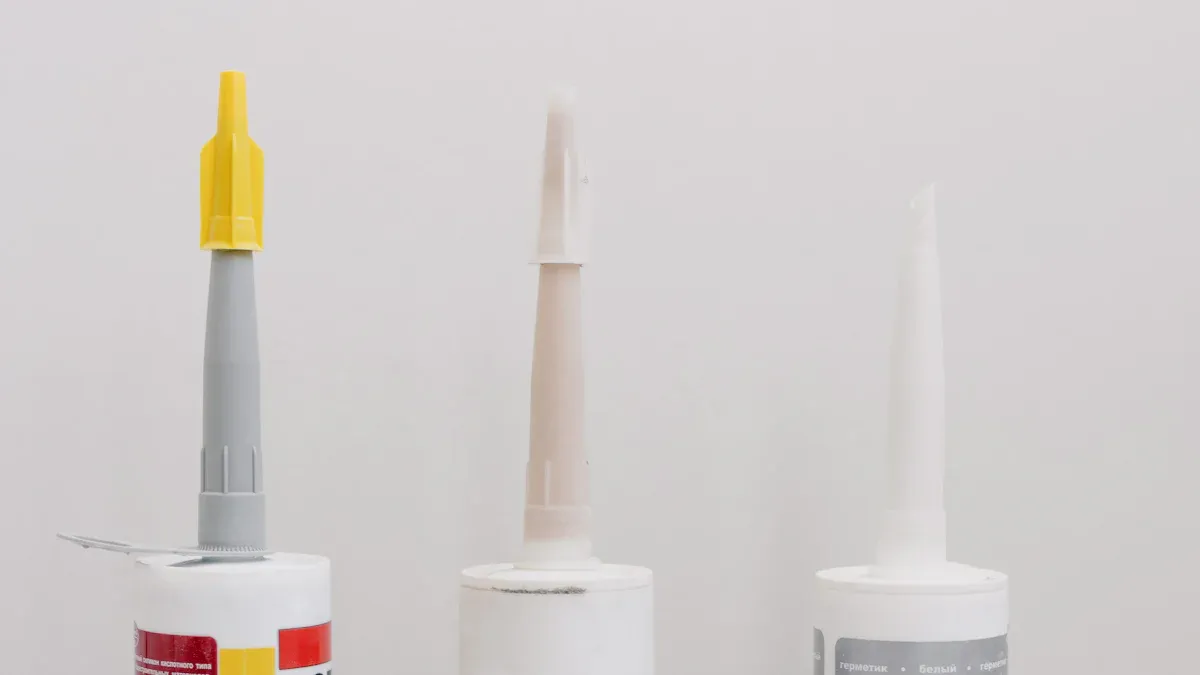
Picking the right silicone starts with knowing its grades. Each grade has special features for different uses. Let’s look at the types, main traits, and common uses of silicone.
Types of Silicone Materials
Silicone comes in different forms for various needs. Here are the main types:
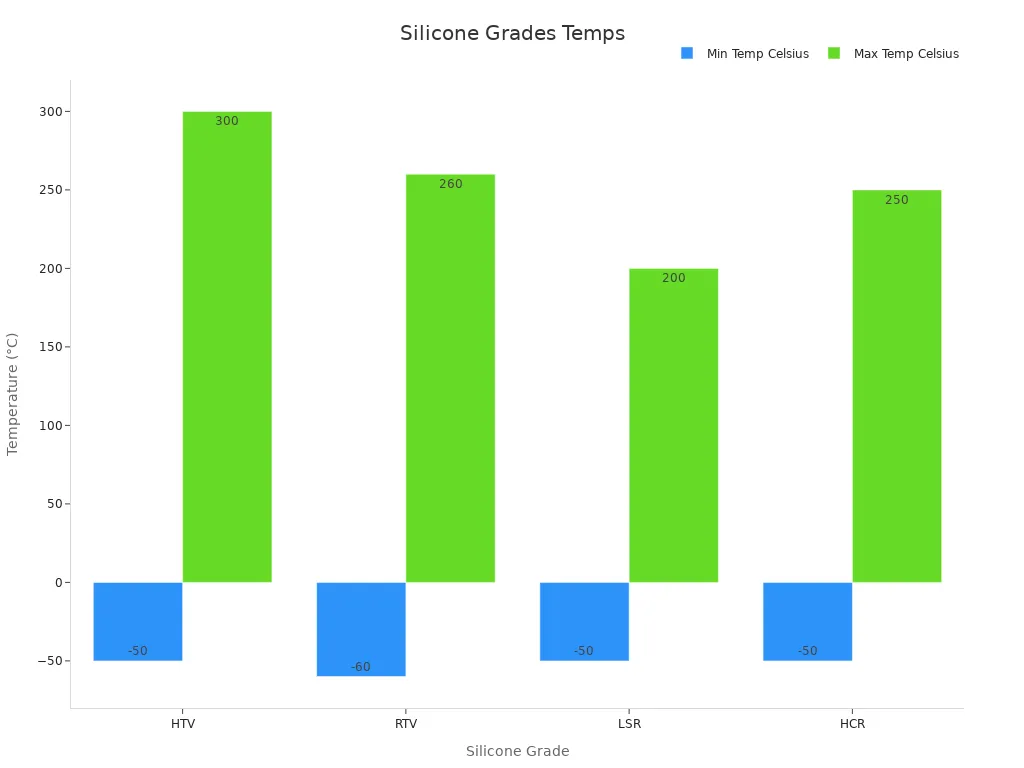
High-Temperature Vulcanizing (HTV): Strong and handles heat and stress well.
Room Temperature Vulcanizing (RTV): Cures at room temperature, great for sealing and bonding.
Liquid Silicone Rubber (LSR): Flexible and perfect for precise molding.
High Consistency Rubber (HCR): Stretchy and used in factories and cars.
Below is a chart showing temperature ranges for these grades:
Key Properties of Silicone Grades
Silicone is valued for its strong performance. Here are its key traits:
| Characteristic | Description |
| High Temperature Resistance | Works in temperatures from -60°C to +300°C without damage. |
| Stability | Safe and resists aging and oxidation over time. |
| Excellent Insulation Properties | Prevents electrical problems in electronic devices. |
| Chemical Resistance | Stays strong against chemicals in harsh environments. |
| Elasticity and Flexibility | Stays stretchy even in heat, great for sealing and absorbing shocks. |
These traits make silicone reliable in tough conditions.
Common Applications for Each Grade
Each grade works best for certain tasks. Here are examples:
| Silicone Material Grade | Application | Key Findings |
| A-2000 (Factor II) | Maxillofacial Prostheses | Disinfects well with chlorohexidine; fades with sodium hypochlorite. |
| Medical-grade silicone | Various Disinfection Methods | Hardness drops with all methods; microwaving is best for cleaning. |
| Silastic MDX4-4210 | Disinfecting Agents | Hardness rises with cleaners; changes are okay for clinical use. |
| RTV silicones | Dimensional Stability | Shrinks a lot; water causes the most changes. |
Knowing these uses helps you choose the right silicone for your project. The Silicone Material Selector Tool makes this easier by narrowing down choices based on your needs.
Key Considerations for Selecting Silicone Materials
When picking the right silicone, think about a few key things. These factors help the material work well, stay safe, and fit your budget. Let’s look at three important points: temperature resistance, chemical compatibility, and mechanical properties.
Temperature Resistance
Silicone can handle very hot or cold temperatures. This makes it great for things exposed to heat or cold. But not all silicone types work the same in these conditions. Check the temperature range your project needs.
For example, silicone works from -20°C to 120°C without breaking down. The table below shows how silicone performs with heat:
| Evidence Description | Details |
| Temperature Resistance | Handles temperatures from -20°C to 120°C |
| Flexibility | Bends 2 mm wide after 100 bends |
| Thermal Control | Keeps a steady 25°C in cold places |
If your project faces high heat, like in cars or factories, HTV silicone is a good pick. For medical tools needing comfort, LSR silicone controls heat well. Always match the silicone type to your heat needs to avoid problems.
Tip: Test the material in real-life conditions to make sure it works.
Chemical Compatibility
Silicone resists many chemicals, which is why it’s popular. But different types react differently to chemicals. Think about the chemicals your project will face, their strength, and how long they’ll be in contact.
Tests like ASTM D543 check how silicone reacts to chemicals. The table below shows what these tests reveal:
| Test Method | Description |
| ASTM D543 |
Tests how silicone holds up to chemicals through fluid-immersion. |
| Results Interpretation | Changes in weight, color, or strength show chemical damage. |
For example, medical-grade silicone must resist cleaners like alcohol. Industrial silicone might need to handle oils or solvents. Knowing the chemical environment helps you pick a silicone that stays strong over time.
Note: Ask your supplier if the silicone meets your chemical needs. Good suppliers give detailed info and support.
Mechanical Properties
Mechanical properties show how silicone handles stress and use. These include hardness, strength, tear resistance, and stretchability. Every project has different needs, so pick a silicone that fits.
Here’s a list of key mechanical properties and their ranges:
| Property | Description |
| Hardness | SHORE-A 0 to 90, often between 30 and 70. |
| Tensile Strength | Usually under 10 MPa; 11 MPa is hard to reach, 12 MPa is rare. |
| Tear Strength | Strong silicone can reach 50 Kgf/cm using the right-angle test. |
| Elongation at Break | Softer silicone can stretch over 1,000% before breaking. |
| Compression Set | Can be under 5%, important for seals and rollers. |
| Resilience | High-resilience silicone can go over 70, some even reach 80. |
For example, medical devices need flexible and durable silicone, so look for high stretchability and low compression set. For industrial seals, focus on tear strength and hardness.
Pro Tip: Work with your supplier to test materials. This ensures the silicone meets your needs before production.
By thinking about temperature, chemicals, and mechanical properties, you can choose the best silicone for your project. The Silicone Material Selector Tool helps by narrowing down your options.
Regulatory and Industry Standards
When picking silicone materials, think about rules and industry standards. These rules make sure the material is safe, high-quality, and works well. Following them helps you avoid problems that could slow down your project or raise costs.
Why Compliance Matters
Following rules ensures the silicone is safe to use. For example, medical tools and food-safe products must meet strict safety rules. If you don’t follow these rules, it could cause recalls, legal trouble, or harm to users. Choosing materials that meet standards keeps your reputation strong and builds customer trust.
Key Certifications and Standards
Silicone makers should have certain certifications for their products. These prove the materials meet global safety and quality rules. Look for these:
FDA Certification: Proves the material is safe for food and medical use.
ISO 9001: Shows the maker uses a quality management system.
ISO 10993: Confirms the material is safe for medical use.
ISO 13485: Focuses on quality for medical devices.
CE Marking: Meets European safety and performance rules.
REACH Regulations: Ensures no harmful chemicals are in the material.
Tip: Always ask for test reports, documents, and factory checks to confirm compliance.
How to Ensure Compliance
To ensure compliance, work with trusted suppliers. Good manufacturers give clear certifications and test results. They also do regular checks to keep high standards. For example, medical silicone must pass ISO 10993 tests for safety. Food-safe silicone should meet FDA and REACH rules. Always check these papers before choosing your material.
Benefits of Choosing Compliant Materials
Using approved silicone materials has many benefits:
Safety: Keeps users safe from harmful chemicals.
Quality Assurance: Makes sure the material works well every time.
Global Market Access: Meets world standards, so you can sell anywhere.
Risk Reduction: Lowers the chance of recalls or legal problems.
By focusing on rules and standards, you can pick silicone materials that are safe and reliable. The Silicone Material Selector Tool helps by sorting materials based on compliance, saving you time and effort.
Pro Tip: Work with companies like EXNAN, who are experts in safe, high-quality silicone. They’ll help you find the best material for your needs.
How to Use the Silicone Material Selector Tool
The Silicone Material Selector Tool makes picking the right silicone easy. Follow three simple steps to find the best grade for your project.
Inputting Application Requirements
First, describe what your project needs. The tool works better when you give clear details. Think about these:
Environment: Will the silicone face heat, water, or sunlight?
Functionality: Does it need to seal, stretch, or insulate?
Industry Standards: Does it need FDA or ISO approval?
For example, medical devices need silicone that is safe and sterilizable. Add these details to the tool. Precise inputs give better results.
Tip: Write down your project’s needs before starting. This helps you remember everything important.
Filtering by Key Properties
After entering your needs, the tool shows possible silicone grades. You can narrow the list by filtering for key traits. These include:
Temperature Range: Pick silicone that handles your heat or cold needs.
Chemical Resistance: Choose types that resist the chemicals your project uses.
Mechanical Strength: Look for tear strength, hardness, or stretchability.
Use sliders or checkboxes to focus on what matters most. For example, industrial gaskets need strong tear resistance and heat tolerance. Filtering saves time by showing fewer options.
Pro Tip: Try different filters to see how they change the results. This helps you learn about trade-offs.
Comparing Recommended Grades
Finally, compare the silicone grades the tool suggests. Check these details:
| Feature | What to Look For |
| Performance Data | See charts showing how each grade works in different conditions. |
| Compliance | Make sure the silicone meets FDA or ISO rules. |
| Cost Efficiency | Compare prices to balance quality and budget. |
For example, if two grades work well but one costs less, pick the cheaper option. The tool often shows graphs or tables to make comparing easier.
Note: Ask your supplier if you need help understanding the choices. They can offer advice or samples for testing.
By following these steps, you can pick the best silicone for your project. The Silicone Material Selector Tool saves time and helps you make smart decisions.
Finalizing Your Selection
After using the Silicone Material Selector Tool, the last step is choosing the best silicone for your project. This ensures the material fits your needs for performance, function, and cost. Follow these steps to make a smart choice:
1.Check Technical Details
Look at the technical data for the suggested silicone types. Focus on key traits like heat resistance, chemical safety, and strength. Many tools give helpful guides to compare these features. For example:
| Tool Name | Purpose |
| Product Info Guides | Helps engineers find silicone materials that match their needs. |
| Gap Filling Tool | Suggests silicone for sealing and filling spaces. |
| Impact Prediction Tool | Picks silicone to protect against impacts and improve safety. |
| Vibration Isolation Tool | Recommends silicone for reducing vibrations. |
| Battery Pad Selector Tool | Finds silicone for EV battery pads based on heat and strength. |
| Cost Analysis Tool | Calculates long-term costs to find affordable silicone options. |
These tools show how each silicone works in different situations. Use them to confirm the material fits your project.
2. Test Samples
Ask for samples of the silicone you’re considering. Try them in real-life conditions to see how they perform. For example, test flexibility and durability for medical devices. This step helps avoid problems later.
Tip: Work with your supplier during testing. They can explain results and suggest improvements.
3. Compare Costs
Performance matters, but price is important too. Use tools like the Cost Analysis Tool to check long-term expenses. Think about how long the material lasts and how often it needs replacing. Pick silicone that balances quality and cost.
4. Check Certifications
Make sure the silicone meets industry rules. Look for FDA approval, ISO certifications, or other safety standards. Following these rules keeps your project safe and accepted.
Pro Tip: Ask your supplier for proof of certifications. This avoids legal or safety problems later.
By following these steps, you can pick the right silicone with confidence. The Silicone Material Selector Tool makes this process simple and quick.
Industry-Specific Uses of Silicone Materials
Silicone materials are important in many industries because of their special traits. Let’s see how they are used in cars, healthcare, and food-related work.
Uses in Cars
Silicone has changed the car industry by being strong, flexible, and able to handle tough conditions. These features make it great for today’s vehicles, especially electric ones. For example, silicone is often used in seals, gaskets, and wire covers to last longer.
| Benefit | What It Does |
| Long-Lasting | Stays strong even with regular use |
| Flexible | Fits into different car designs easily |
| Better for the Planet | More eco-friendly than older materials |
| Sunlight Protection | Doesn’t break down from too much sun |
| Easy to Clean | Makes cleaning car interiors simple |
Silicone’s sunlight protection and easy cleaning make it perfect for dashboards and seats. It also handles high heat, so it works well in engines and batteries. Using silicone can make cars work better and cost less to maintain.
Tip: EXNAN provides top-quality silicone for cars, focusing on both performance and eco-friendliness.
Uses in Healthcare
In healthcare, silicone is trusted because it’s safe and useful. Medical-grade silicone is gentle on the body and doesn’t react with chemicals, so it’s used in implants like pacemakers and stents. Over 60 years of research has proven silicone is the best choice for safety.
| Year Market Value(USD) | Growth Rate (%) |
| 20231,713 million | N/A |
| 2-322,900 million | 6.20 |
Silicone is also used in wound care, prosthetics, and medicine delivery tools. A new idea is silicone glue that sticks to tissues but still allows cells to grow. These advances help patients heal better and give more options for medical devices.
Pro Tip: Work with EXNAN to get advanced silicone that meets strict rules like ISO 10993 and FDA standards.
Uses in Food Work
Silicone is safe and heat-resistant, making it a must-have in food processing and packaging. FDA-approved silicone is used in seals, gaskets, and conveyor belts to keep food clean and safe.
| Use Type | Safety Features |
| Seals and Gaskets | FDA-approved silicone keeps food clean and safe. |
| Tubing | Handles high heat and stays flexible for food safety. |
| Conveyor Belts | Stops contamination and keeps food fresh. |
| Baking Tools | Resists heat and chemicals, makeing it durable and safe. |
Silicone bakeware and tubes are popular because they last long and are easy to clean. These materials help keep food safe and reduce delays in production.
Note: EXNAN’s food-safe silicone meets FDA and REACH rules, giving you confidence in your food projects.
By using silicone in these fields, you can improve how things work, stay safe, and be more efficient. Whether it’s for cars, medical tools, or food equipment, silicone is a reliable choice.
Electronics and Industrial Applications
Silicone is very important in electronics and factories because of its special features. It is used in things like circuit boards and big machines. Silicone works well in tough conditions, making it a trusted material.
One great thing about silicone is its heat resistance. It doesn’t break down even at 300°C. Some types can handle up to 350°C, which is perfect for hot places like ovens or electronic parts. Silicone is also a great insulator, keeping devices safe from electrical problems.
Here’s how silicone helps in these areas:
| Property | Description |
| Heat Stability | Stays strong and doesn’t break down in high heat. |
| Oxidation Resistance | Lasts long in oxygen-rich places without breaking. |
| Excellent Insulation | Keeps electricity flowing safely, great for electronics. |
| Chemical Resistance | Stands up to oils, solvents, and strong cleaners. |
| Temperature Range | Works well between 200°C and 300°C, with some types up to 350°C. |
In factories, silicone’s chemical resistance makes it last when exposed to harsh substances. This is why it’s used for seals, gaskets, and coatings. In electronics, its flexibility and insulation protect small parts, helping devices work better for longer.
Pro Tip: Work with reliable suppliers like EXNAN to get top-quality silicone. They can help you find the right type for your needs.
Using silicone improves the safety, efficiency, and lifespan of your products. It’s a smart choice for projects that need strong and reliable materials.
Picking the right silicone grade is very important. It helps make sure products work well, stay safe, and don’t cost too much. For example, medical silicone tubes need ISO 10993 approval to be safe for the body. FDA-approved silicone baking molds are safe for food use. Electronic silicone seals must follow RoHS rules to protect people and nature.
The Silicone Material Selector Tool makes choosing silicone easier. It matches your project needs with the best silicone type. This saves time, avoids mistakes, and helps you choose wisely. With this tool, you can find materials that fit your project and meet industry rules.
Start using the Silicone Material Selector Tool today. It’s the best way to quickly find the right silicone for your project.
FAQ
What is the Silicone Material Selector Tool?
The Silicone Material Selector Tool is an online helper. It finds the best silicone grade for your project. You enter details, and it shows options based on how they work, follow rules, and cost.
Tip: This tool saves time and prevents picking the wrong material.
Can I use the tool for medical-grade silicone?
Yes, the tool includes medical-grade silicone choices. It picks materials that meet FDA and ISO 10993 rules. These are safe for healthcare uses like implants, tubes, and wound care.
Note: Always check certifications with your supplier to be sure.
How does the tool handle temperature requirements?
You can enter the temperature range your project needs. The tool suggests silicone grades that work in those conditions. It helps for hot factories or cold electronics.
Pro Tip: Test the silicone in real-life situations before deciding.
Is the tool suitable for food-safe silicone?
Yes! The tool includes FDA-approved silicone for food work. It ensures the material is clean, strong, and won’t contaminate food.
Emoji: Use this to find silicone for baking tools, belts, and seals.
Can I compare costs using the tool?
Yes, the tool shows cost comparisons for silicone grades. It helps you pick materials that balance quality and price. It also shows how long they last.
Tip: Think about how often you’ll need replacements when checking costs.

点击右上角
分享给朋友吧







 Long by picture save/share
0
Prev : Reducing Assembly Time by 40% with Custom Silicone Connectors
Next : Maximize Efficiency & Cost Savings: Custom vs. Off-the-Shelf Silicone Components
文章推荐
Silicone Parts Fail After Sterilization: 5 Proven Fixes
Medical Silicone vs. TPE/TPU: Why Is Silicone Still the Preferred Material for Medical Consumables?
Medical Silicone Mold Design: The First Gateway to Product Precision
New Requirements of ISO13485:2016 for Medical Silicone Suppliers
Medical Silicone Consumables Market Sees New Growth: Respiratory Equipment Drives Demand for Precision Components
Related news recommendations —
Related Products —




News Products —
INQUIRY


Add Successfully

Hey there, I’m Steve!
15+ years in medical silicone accessories, linking manufacturers and healthcare providers for compliant, high-quality products. Trusted advisor focused on innovation and patient care. If you are looking for custom-made silicone rubber products, feel free to ask me any questions.
Hey there, I’m Steve!
15+ years in medical silicone accessories, linking manufacturers and healthcare providers for compliant, high-quality products. Trusted advisor focused on innovation and patient care. If you are looking for custom-made silicone rubber products, feel free to ask me any questions.
Welcome to contact us
If you have any questions, please fill in the relevant information. Weare very willing to provide more information and a full range ofservices for both you and your company
Welcome to contact us
If you have any questions, please fill in the relevant information. Weare very willing to provide more information and a full range ofservices for both you and your company
EXNAN
点击右上角
分享给朋友吧
Copyright © 2004-2024 Guangdong Exnan Technology Co.,Ltd
点击右上角
分享给朋友吧
Copyright © 2004-2024 Guangdong Exnan Technology Co.,Ltd

 +86-0752-3869959 / 3869960
 +86 180 0752 8206
 Building 8, China-Korea Emerging Intelligent Manufacturing Industrial Park, No.27, Songbailing Road, China-Korea (Huizhou) Industrial Park, Zhongkai Area, Huizhou City, Guangdong Province, China

WeChat scan
