

Contact Us
lf you have any queries, get in touch today! Don't hesitate, We try to take the extra step forour customer satisfaction.

Hey there, I’m Steve!
I’m the sales manager of exnan medical silicone. I have been in this field for more than ten years. If you are looking for custom-made silicone rubber products, feel free to ask me any questions.
"
Our certificate
Possess 800 square meters of Class 10,000 dust-free workshop, Passed ISO9001:2015 quality management system certification and ISO13485:2016 medical device quality management system, and its products have obtained multiple biocompatibility tests, US FDA and EU LFGB certifications.
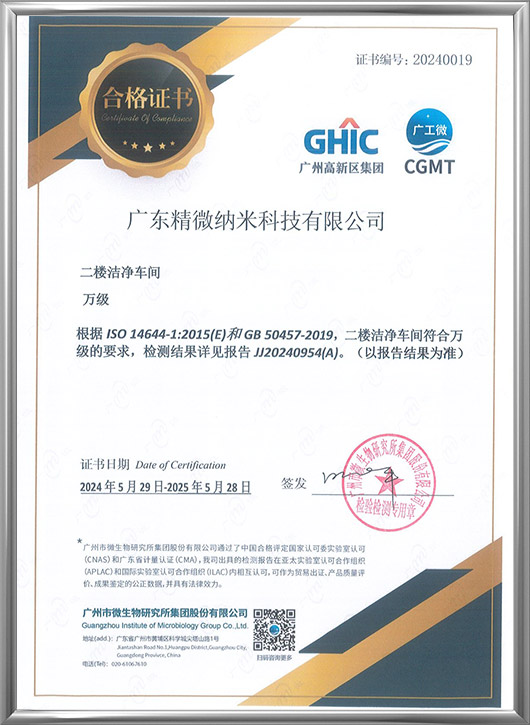
Class 10,000 cleanroom certification
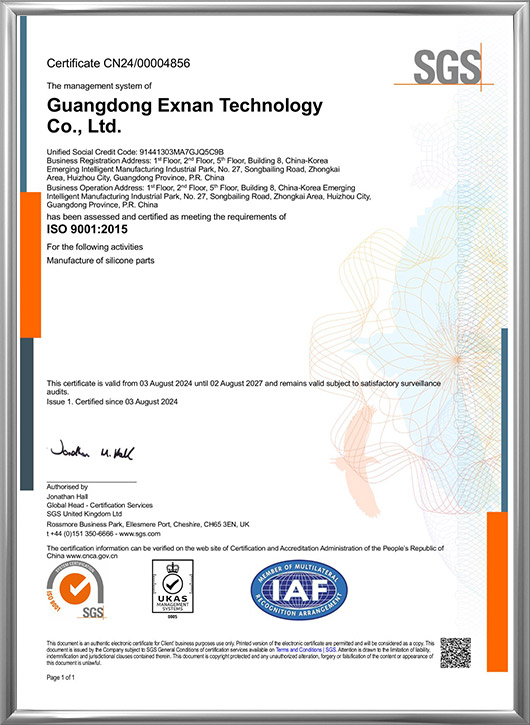
ISO 9001:2015
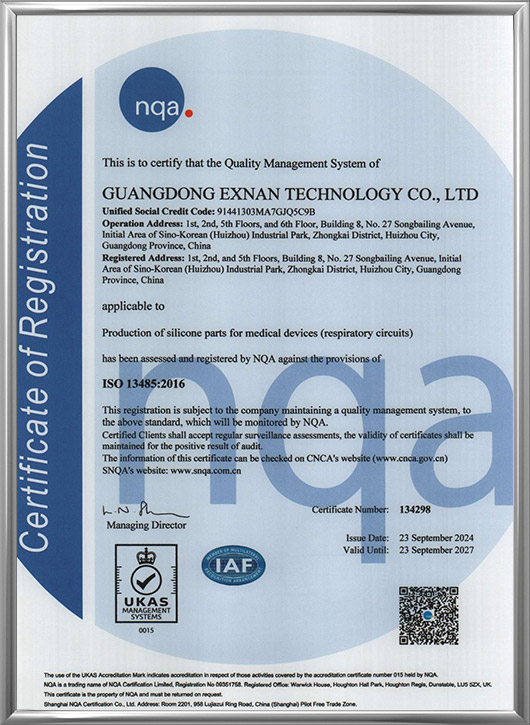
ISO 13485:2016
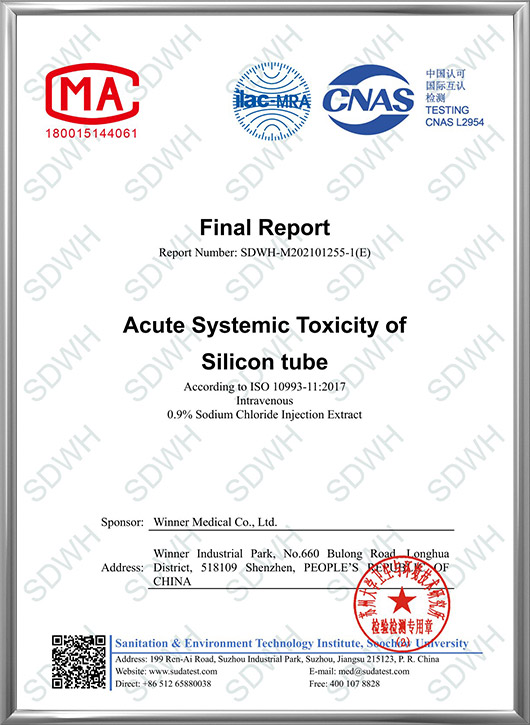
ISO 10993-11:2017 Tail vein injection
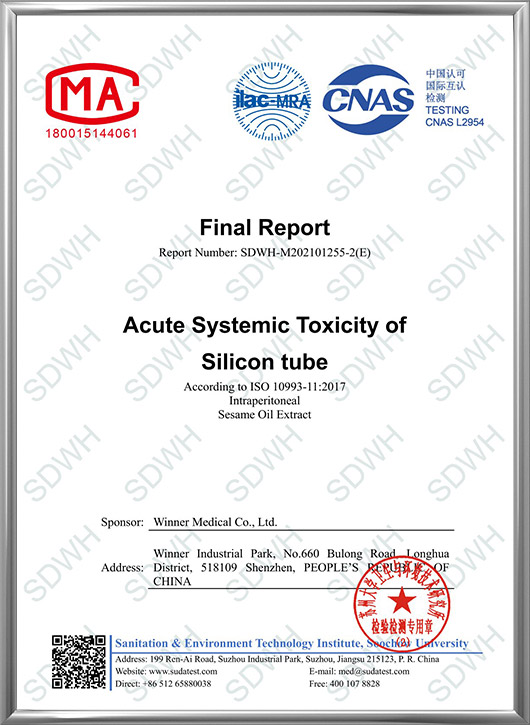
ISO 10993-11:2017 Intraperitoneal injection
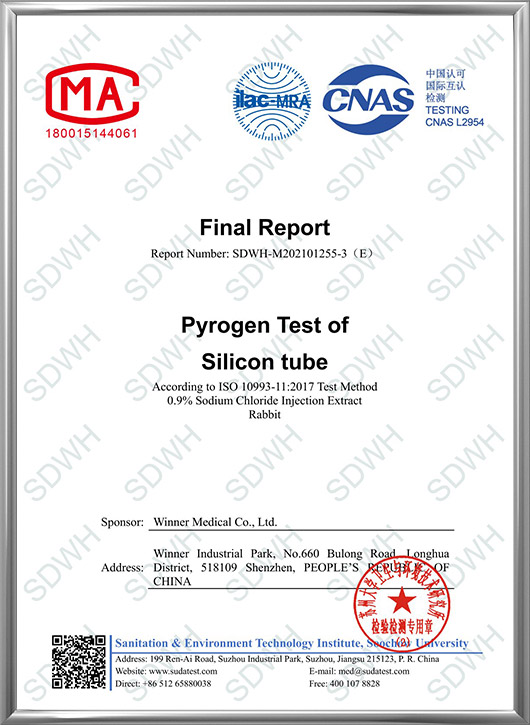
ISO 10993-11:2017 Pyrogens
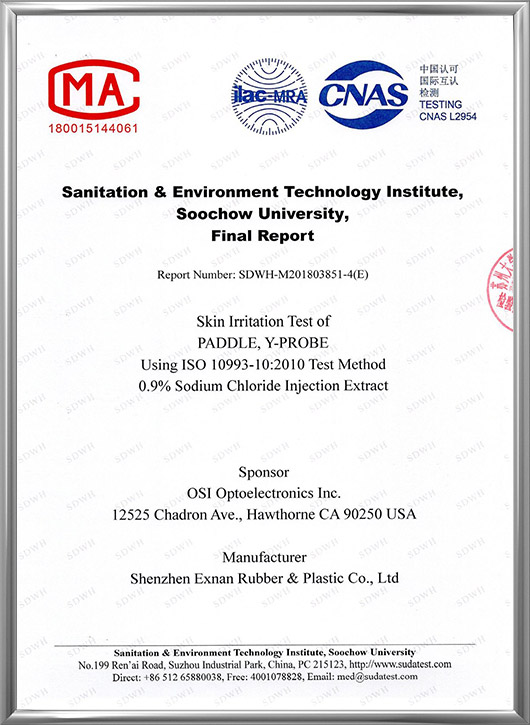
Skin irritation test for extract of 0.9% sodium chloride injection
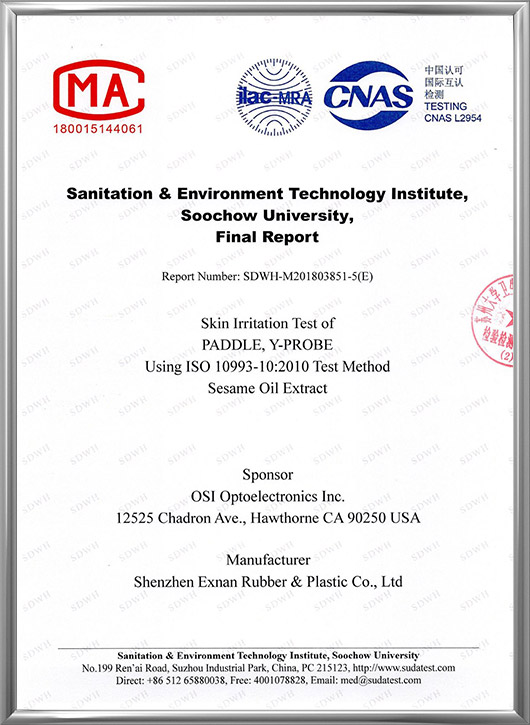
Skin irritation test for sesame oil extraction
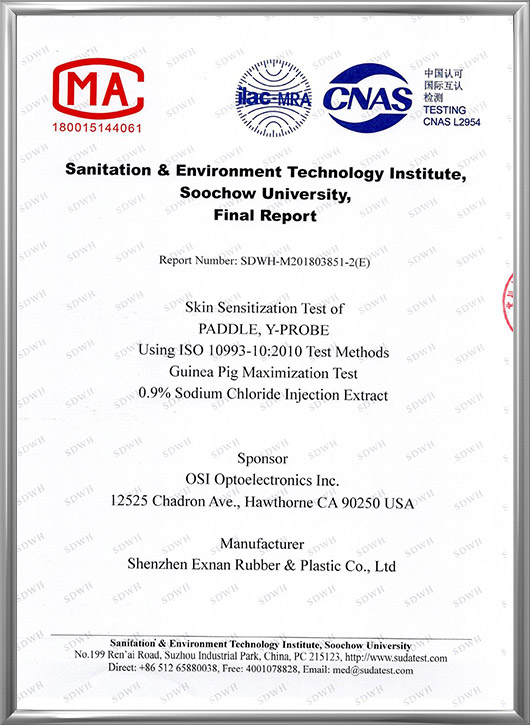
Skin sensitization test in guinea pigs using the maximization method with 0.9% sodium chloride injec
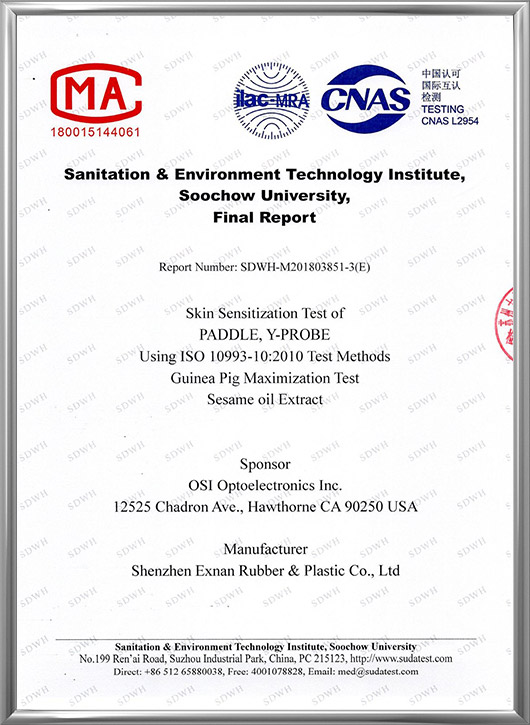
Skin sensitization test in guinea pigs:maximization method with sesame oil extraction
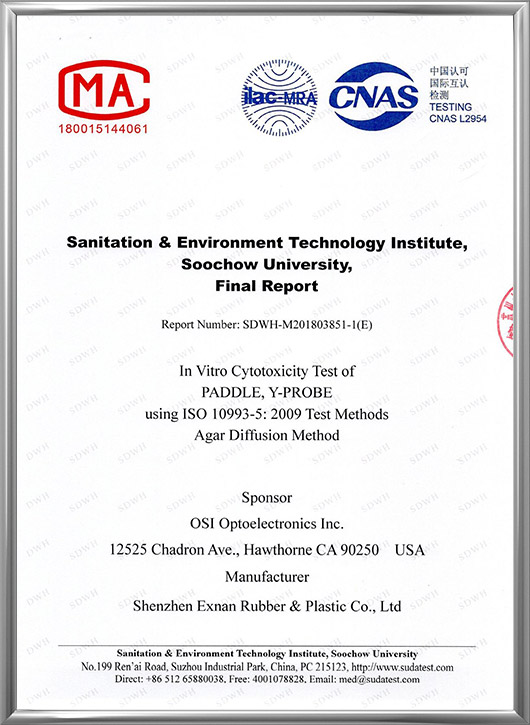
Cell toxicity test:agar diffusion method
Cooperating customers
Till now, Exnan products has been exports 35 countries, and more than 500 Medical equipment factory, health care companies, hospitals, clinics use our products, and win good reputation.




















New
Our silicone accessories meet international medical standards through strict quality control.
Ensure patient safety with our premium products. Explore our catalog today!
News
Our silicone accessories meet international medical standards through strict quality control.
Ensure patient safety with our premium products. Explore our catalog today!
Characteristics of Medical-Grade Silicone Materials
Time: 2025-02-13 09:12:26
Author: Guangdong Exnan Technology Co.,Ltd
Click:
Medical-grade silicone materials are the unsung heroes of the healthcare and medical device industries. They’re everywhere—from surgical instruments to implants, tubing, and even wearable devices.

I. Introduction
Medical-grade silicone materials are the unsung heroes of the healthcare and medical device industries. They’re everywhere—from surgical instruments to implants, tubing, and even wearable devices. Why? Because they’re safe, reliable, and versatile. If you’re designing medical devices, you’ve probably heard of them, but let’s dive deeper into what makes them so special.
II. Biocompatibility
First things first: biocompatibility. Medical-grade silicone is FDA-compliant, meaning it’s been rigorously tested to ensure it’s safe for human use. It’s non-allergenic and non-toxic, so it won’t irritate skin or tissues. Whether it’s a catheter, a breast implant, or a wound dressing, silicone’s compatibility with the human body is unmatched.

III. Durability and Stability
Need a material that can handle extreme conditions? Silicone’s got you covered. It’s resistant to both high and low temperatures, making it perfect for devices that need to withstand sterilization or harsh environments. Plus, it’s UV-resistant, so it won’t degrade over time, even with prolonged exposure to sunlight.
IV. Flexibility and Elasticity
Silicone is soft, flexible, and elastic—qualities that make it ideal for patient comfort. It can stretch without tearing, which is why it’s used in things like compression garments and prosthetics. Even under stress, it maintains its shape and performance, ensuring reliability in critical applications.

V. Chemical and Bacterial Resistance
Silicone is tough when it comes to chemicals and bacteria. It resists acids, bases, and other harsh substances, and its antimicrobial properties help prevent bacterial and fungal growth. It’s also sterilizable using methods like autoclaving and gamma radiation, making it a hygienic choice for medical devices.
VI. Transparency and Clarity
For devices that need to be transparent—like tubing or diagnostic tools—silicone’s optical clarity is a game-changer. It allows light to pass through, ensuring visibility and precision. Plus, it looks sleek and professional, which is a bonus for consumer-facing products.
VII. Processability and Moldability
Silicone is a designer’s dream. It’s easy to mold into complex shapes, making it perfect for intricate medical devices. It’s also compatible with over-molding and multi-shot processes, allowing for seamless integration with other materials.

VIII. Cost-Effectiveness and Efficiency
Here’s the kicker: silicone is cost-effective. It reduces the need for secondary processes and assembly, saving time and money. Its durability also means fewer replacements, leading to long-term savings.
IX. Applications in Medical Devices
Silicone is everywhere in healthcare. Think:
- Cardiology: Heart valves and pacemaker leads
- Orthopedics: Joint implants and padding
- Ophthalmology: Contact lenses and surgical tools
Its versatility makes it a go-to material for life-saving devices.

X. Conclusion
Medical-grade silicone is a powerhouse material, offering biocompatibility, durability, flexibility, and more. As the medical industry evolves, silicone will continue to play a critical role in innovation.
And if you’re looking for top-notch medical-grade silicone, check out **EXNAN**. Their products are trusted by leading medical device manufacturers for their quality and reliability. Visit [EXNAN’s website](https://www.exnan.com) to learn more and request a free quote.
Chart: Properties of Medical-Grade Silicone
| Property | Benefit |
| Biocompatibility | Safe for human use |
| Durability | Resists extreme temperatures and UV |
| Flexibility | Soft, elastic, and tear-resistant |
| Chemical Resistance | Withstands acids, bases, and sterilization |
| Transparency | Optical clarity for precision |
| Cost-Effectiveness | Reduces manufacturing costs |
References:
1. FDA Guidelines on Biocompatibility: FDA.gov
2. Medical-Grade Silicone Applications: PubMed
3. EXNAN Product Catalog: EXNAN
So, whether you’re designing a surgical tool or a wearable device, medical-grade silicone is the material you can trust. And with EXNAN’s expertise, you’re in good hands.

点击右上角
分享给朋友吧







 Long by picture save/share
0
文章推荐
Silicone Parts Fail After Sterilization: 5 Proven Fixes
Medical Silicone vs. TPE/TPU: Why Is Silicone Still the Preferred Material for Medical Consumables?
Medical Silicone Mold Design: The First Gateway to Product Precision
New Requirements of ISO13485:2016 for Medical Silicone Suppliers
Medical Silicone Consumables Market Sees New Growth: Respiratory Equipment Drives Demand for Precision Components
Related news recommendations —
Related Products —

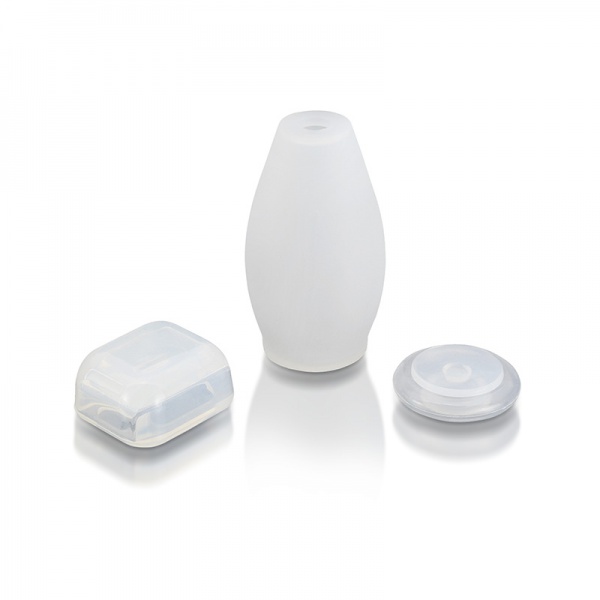



News Products —
INQUIRY


Add Successfully

Hey there, I’m Steve!
15+ years in medical silicone accessories, linking manufacturers and healthcare providers for compliant, high-quality products. Trusted advisor focused on innovation and patient care. If you are looking for custom-made silicone rubber products, feel free to ask me any questions.
Hey there, I’m Steve!
15+ years in medical silicone accessories, linking manufacturers and healthcare providers for compliant, high-quality products. Trusted advisor focused on innovation and patient care. If you are looking for custom-made silicone rubber products, feel free to ask me any questions.
Welcome to contact us
If you have any questions, please fill in the relevant information. Weare very willing to provide more information and a full range ofservices for both you and your company
Welcome to contact us
If you have any questions, please fill in the relevant information. Weare very willing to provide more information and a full range ofservices for both you and your company
EXNAN
点击右上角
分享给朋友吧
Copyright © 2004-2024 Guangdong Exnan Technology Co.,Ltd
点击右上角
分享给朋友吧
Copyright © 2004-2024 Guangdong Exnan Technology Co.,Ltd

 +86-0752-3869959 / 3869960
 +86 180 0752 8206
 Building 8, China-Korea Emerging Intelligent Manufacturing Industrial Park, No.27, Songbailing Road, China-Korea (Huizhou) Industrial Park, Zhongkai Area, Huizhou City, Guangdong Province, China

WeChat scan
