

Contact Us
lf you have any queries, get in touch today! Don't hesitate, We try to take the extra step forour customer satisfaction.

Hey there, I’m Steve!
I’m the sales manager of exnan medical silicone. I have been in this field for more than ten years. If you are looking for custom-made silicone rubber products, feel free to ask me any questions.
"
Our certificate
Possess 800 square meters of Class 10,000 dust-free workshop, Passed ISO9001:2015 quality management system certification and ISO13485:2016 medical device quality management system, and its products have obtained multiple biocompatibility tests, US FDA and EU LFGB certifications.
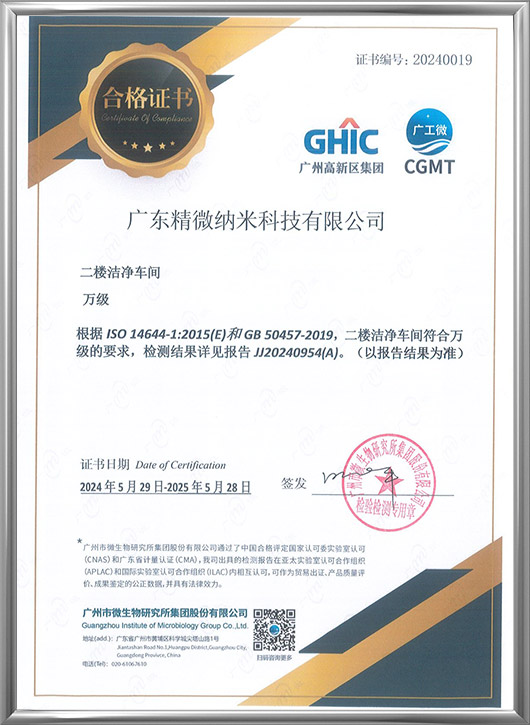
Class 10,000 cleanroom certification
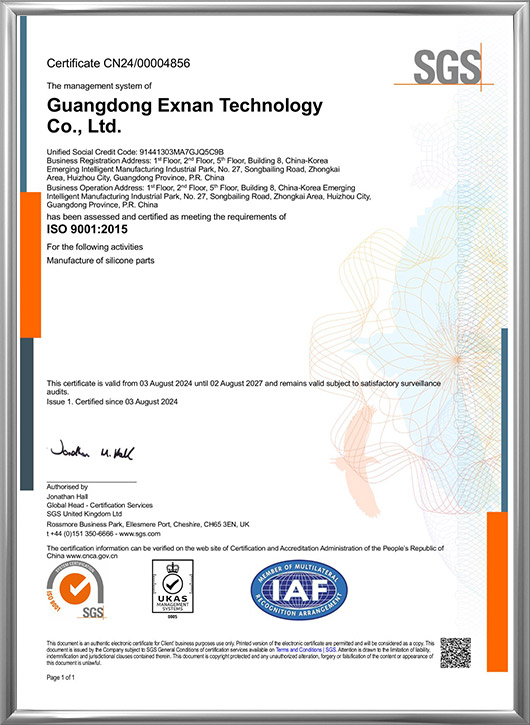
ISO 9001:2015
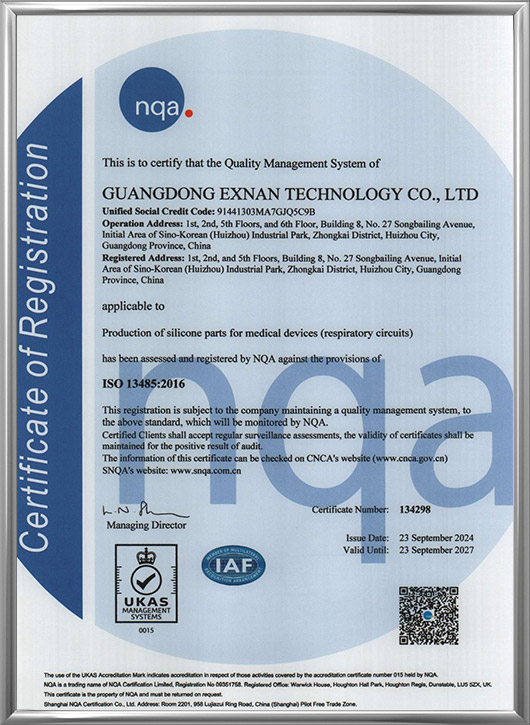
ISO 13485:2016
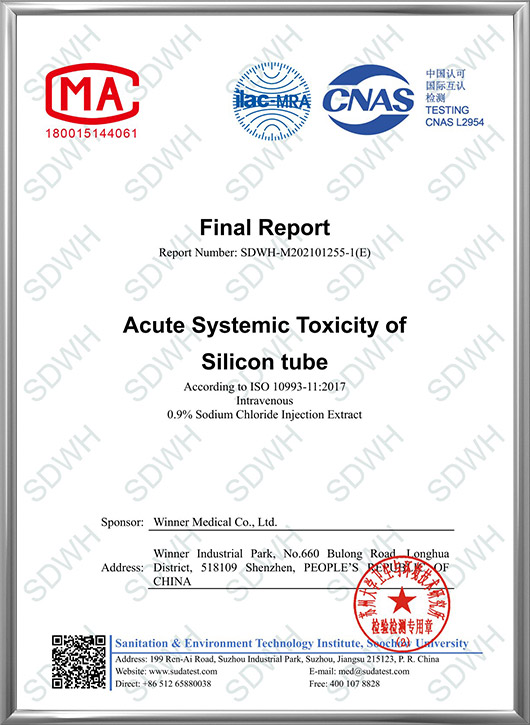
ISO 10993-11:2017 Tail vein injection
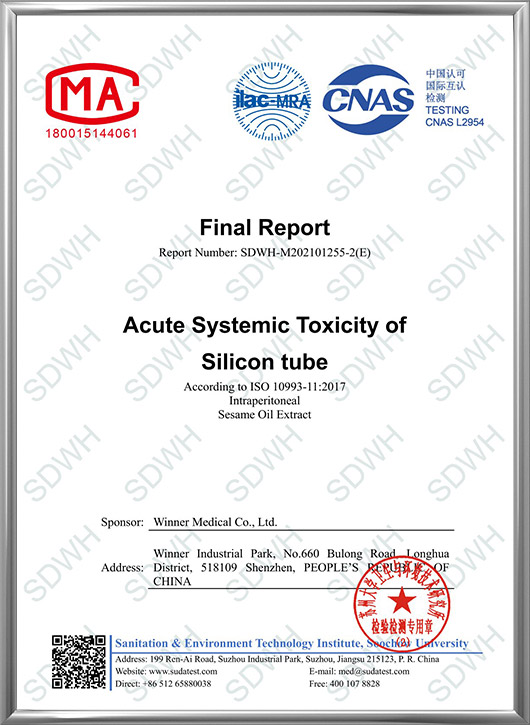
ISO 10993-11:2017 Intraperitoneal injection
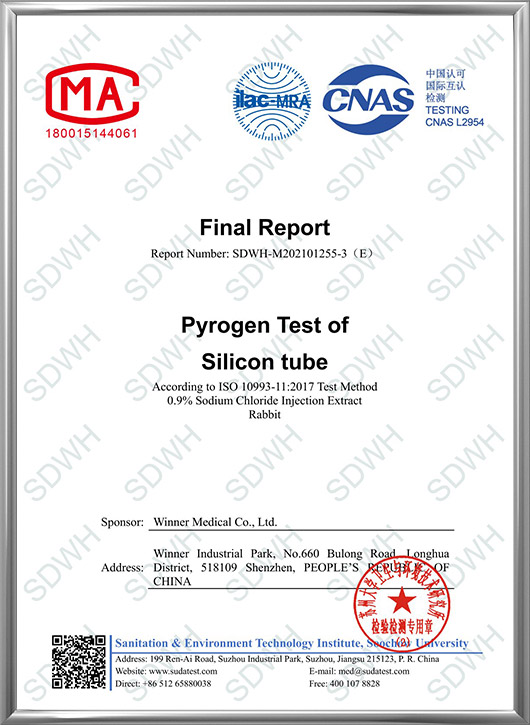
ISO 10993-11:2017 Pyrogens
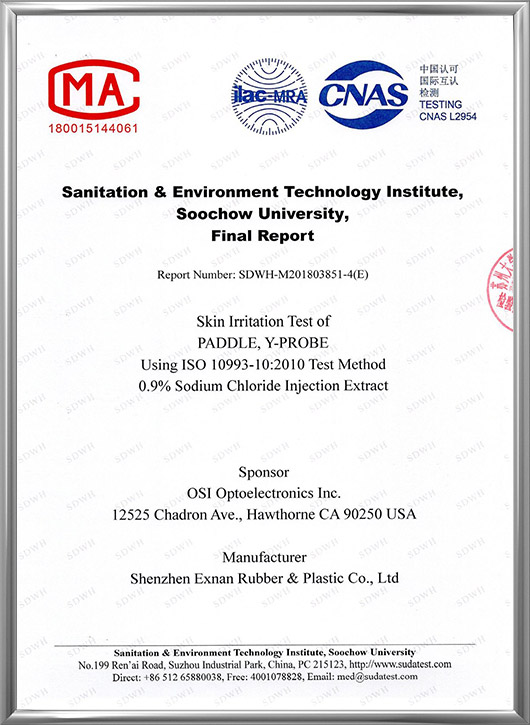
Skin irritation test for extract of 0.9% sodium chloride injection
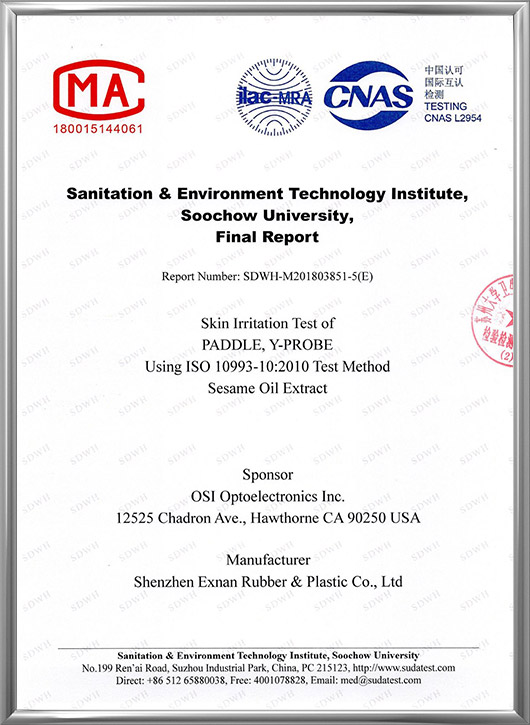
Skin irritation test for sesame oil extraction
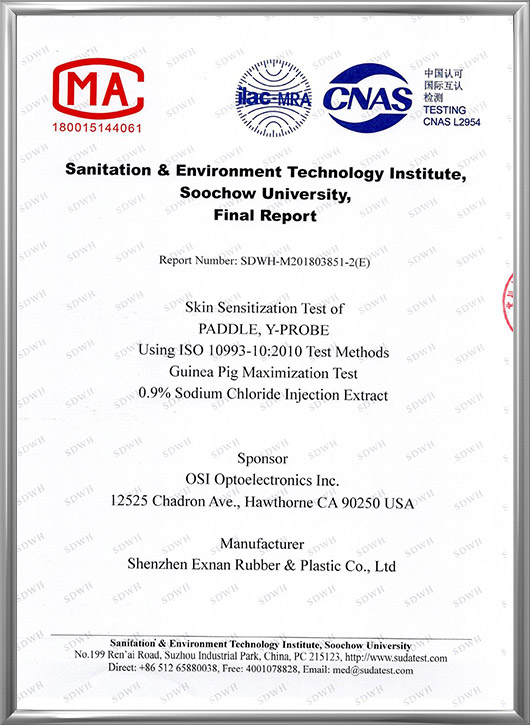
Skin sensitization test in guinea pigs using the maximization method with 0.9% sodium chloride injec
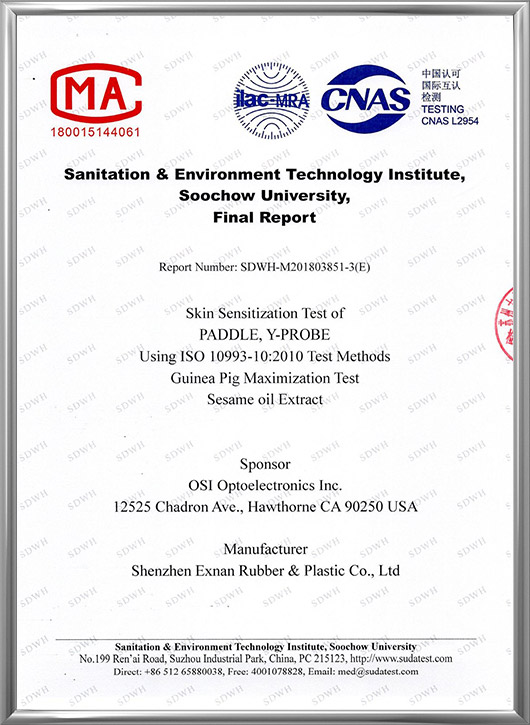
Skin sensitization test in guinea pigs:maximization method with sesame oil extraction
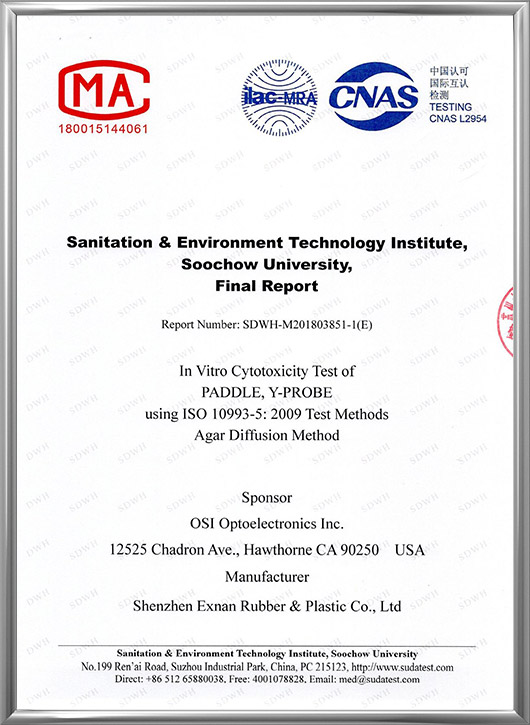
Cell toxicity test:agar diffusion method
Cooperating customers
Till now, Exnan products has been exports 35 countries, and more than 500 Medical equipment factory, health care companies, hospitals, clinics use our products, and win good reputation.
















New
Our silicone accessories meet international medical standards through strict quality control.
Ensure patient safety with our premium products. Explore our catalog today!
News
Our silicone accessories meet international medical standards through strict quality control.
Ensure patient safety with our premium products. Explore our catalog today!
Benefits of Medical Silicone Parts For Minimal Invasive Surgery
Time: 2025-02-11 08:45:41
Author: Guangdong Exnan Technology Co.,Ltd
Click:
Minimally Invasive Surgeries (MISs) are provided with revolutionary technique in modern medicine allowing patients faster recovery times with less pain and smaller scars. But did you know that the materials used in these procedures are a key contributor to whether or not they’re successful?

Minimally Invasive Surgeries (MISs) are provided with revolutionary technique in modern medicine allowing patients faster recovery times with less pain and smaller scars. But did you know that the materials used in these procedures are a key contributor to whether or not they’re successful? Among numerous materials, medical silicone is a true game changer. Let’s explore why medical silicone parts are critical to MIS and how they’re changing the approach.
Relevance of Material Selection in MIS
As far as MIS goes, no detail is small enough. The tools and devices used must have precision, safety and reliability. Importantly, the healing nature of medical silicone has made it one of the preferred materials for surgeons and device manufacturers. Due to its flexibility, biocompatibility, and durability, it is ideal for procedures that require minimal disruption to the tissue.
What is so special about Medical Silicone?
Here’s a brief rundown of its prime attributes:
Biocompatibility and Safety: Medical silicone is non-toxicity and non-reactivity with body tissue, facilitating long-term use.
Flexible and Durable: It can flex and stretch without losing shape, which is important in delicate operations.
Chemical and Thermal Stability — it endures in extreme temperatures or sterilization processes.
Resistant Material: Unlike some materials, silicone can be repeatedly sterilized and retains its integrity over time.

How MIS Gets Better with Medical Silicone
1. May lessen trauma and improve comfort for patients
The soft, non-irritating nature of medical silicone minimizes tissue damage during procedures. Silicone-coated catheters that reduce friction, for instance, enable smoother, less painful insertion, improving patient experience.
2. Precision and Adaptability
Silicone can also take more complex shapes, making it useful to 3-D print surgical tools customized to a particular patient. Its imaging characteristics with a technology like MRI assure correct placement during procedures.
3. Infection Control
The smooth surface of silicone inhibits bacteria adhesion, minimizing the possibility of infection. In addition, it’s simple to clean and sterilize, which makes it a hygienic option for hospitals.
4. Long-term Reliability
Naturally stable, silicone resists degradation, so whether it’s an implant or a surgical tool, it will perform consistently over time.

Real-World Applications
MIS is huled with medical silicone:
– Laparoscopic Instruments: The silicone seals and coatings make these tools even more effective.
Catheters and Drainage Systems: The flexibility and biocompatibility of silicone make it an ideal choice for such devices.
— Implants and Prosthetics: The durability and safety of silicone are critical for long-term implants.
Silicone vs. Other Materials
Here’s a quick comparison:
| Material | Advantages | Disadvantages |
| Silicone | Flexible, biocompatible, durable | Can be expensive |
| Metals | Sturdy, inflexible | Can lead to tissue irritation |
| Plastics | Lightweight, cost-effective | Less durable, wear-prone |
| Other elastomers | Flexible, low cost | Not biocompatible |
Innovations and Challenges
Medical silicone is indeed impressive — but it has challenges too. For example, it can be expensive, and some formulas are unable to accommodate certain surgical requirements. In the wake of this, however, pioneers like EXNAN are at the helm of innovation. EXNAN’s silicone-based advanced solutions aim to overcome these limitations by providing bespoke, high-performance materials that meet the new medical requirements.

Why Choose EXNAN?
EXNAN is leading the technology direction of medical silicone. Their products go through multiple layers of testing for safety and efficacy, and abide by all industry standards. From silicone features in surgical tools to implants, EXNAN provides dependable, state-of-the-art products.
Conclusion
Medical silicone in minimally invasive surgeries Minimize invasive surgery scarification, recover quickly, low-cost health care, and reliability. But with technology advancing, the companies like EXNAN are pushing the boundaries of what’s possible– making surgeries safer and more efficient than ever.
Explore EXNAN's product line, if you want to know more about premium quality silicone for health and how they are revolutionizing the healthcare sector.
References
Smith, J. et al. (2023). The latest developments in medical silicone technology Source: Journal of Biomedical Materials
World Health Organization (2022) Еpide miological control of minimal invasive operations
EXNAN White Paper (2024). Silicone Ad vancements for Medical Applications

点击右上角
分享给朋友吧







 Long by picture save/share
1
Prev : Cost-Benefit Analysis of Silicone Parts in Medical Devices
Next : Specialized Silicone Components for Unique Medical Devices
文章推荐
Silicone Parts Fail After Sterilization: 5 Proven Fixes
Medical Silicone vs. TPE/TPU: Why Is Silicone Still the Preferred Material for Medical Consumables?
Medical Silicone Mold Design: The First Gateway to Product Precision
New Requirements of ISO13485:2016 for Medical Silicone Suppliers
Medical Silicone Consumables Market Sees New Growth: Respiratory Equipment Drives Demand for Precision Components
Related news recommendations —
Related Products —




News Products —
INQUIRY


Add Successfully

Hey there, I’m Steve!
15+ years in medical silicone accessories, linking manufacturers and healthcare providers for compliant, high-quality products. Trusted advisor focused on innovation and patient care. If you are looking for custom-made silicone rubber products, feel free to ask me any questions.
Hey there, I’m Steve!
15+ years in medical silicone accessories, linking manufacturers and healthcare providers for compliant, high-quality products. Trusted advisor focused on innovation and patient care. If you are looking for custom-made silicone rubber products, feel free to ask me any questions.
Welcome to contact us
If you have any questions, please fill in the relevant information. Weare very willing to provide more information and a full range ofservices for both you and your company
Welcome to contact us
If you have any questions, please fill in the relevant information. Weare very willing to provide more information and a full range ofservices for both you and your company
EXNAN
点击右上角
分享给朋友吧
Copyright © 2004-2024 Guangdong Exnan Technology Co.,Ltd
点击右上角
分享给朋友吧
Copyright © 2004-2024 Guangdong Exnan Technology Co.,Ltd

 +86-0752-3869959 / 3869960
 +86 180 0752 8206
 Building 8, China-Korea Emerging Intelligent Manufacturing Industrial Park, No.27, Songbailing Road, China-Korea (Huizhou) Industrial Park, Zhongkai Area, Huizhou City, Guangdong Province, China

WeChat scan
