

Contact Us
lf you have any queries, get in touch today! Don't hesitate, We try to take the extra step forour customer satisfaction.
"
Our certificate
Possess 800 square meters of Class 10,000 dust-free workshop, Passed ISO9001:2015 quality management system certification and ISO13485:2016 medical device quality management system, and its products have obtained multiple biocompatibility tests, US FDA and EU LFGB certifications.
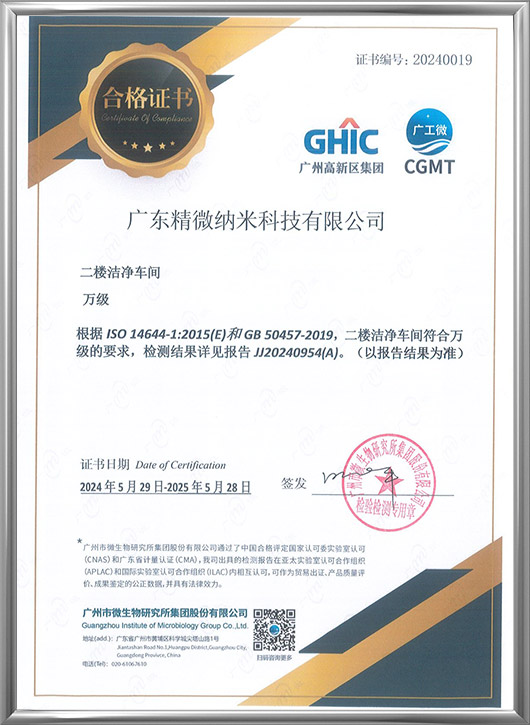
Class 10,000 cleanroom certification
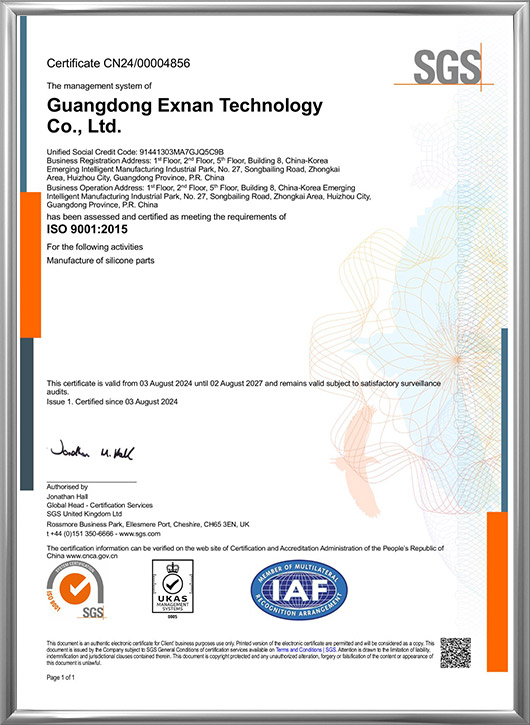
ISO 9001:2015
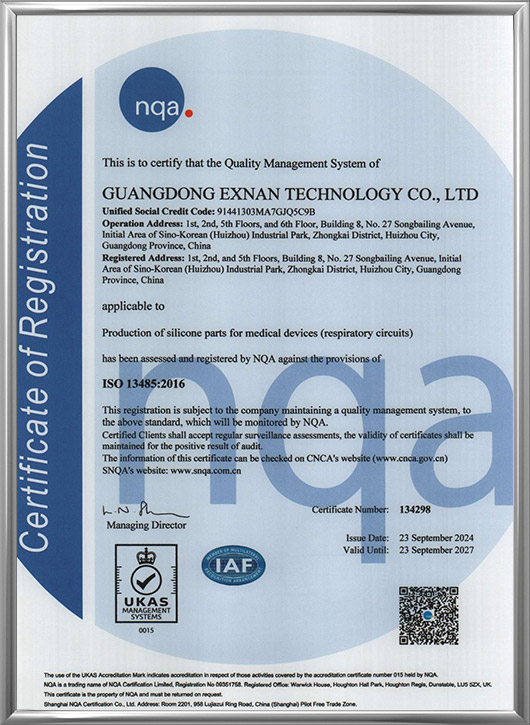
ISO 13485:2016
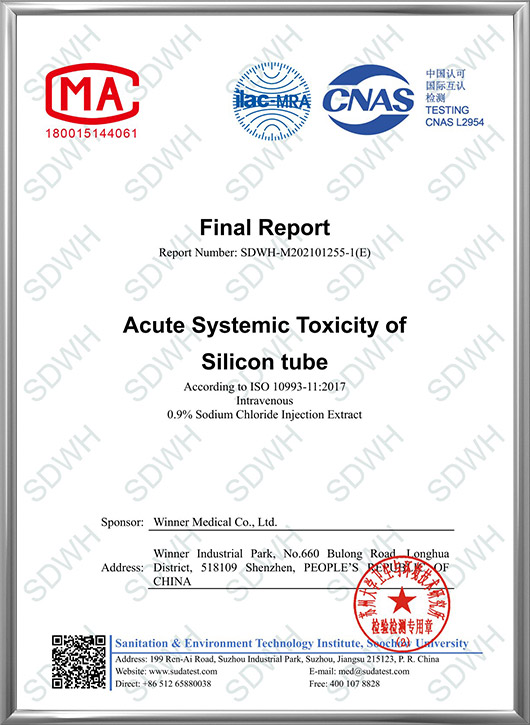
ISO 10993-11:2017 Tail vein injection
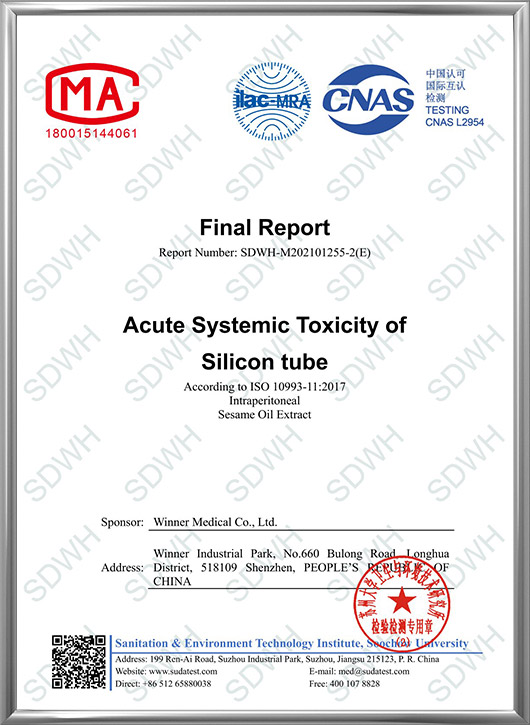
ISO 10993-11:2017 Intraperitoneal injection
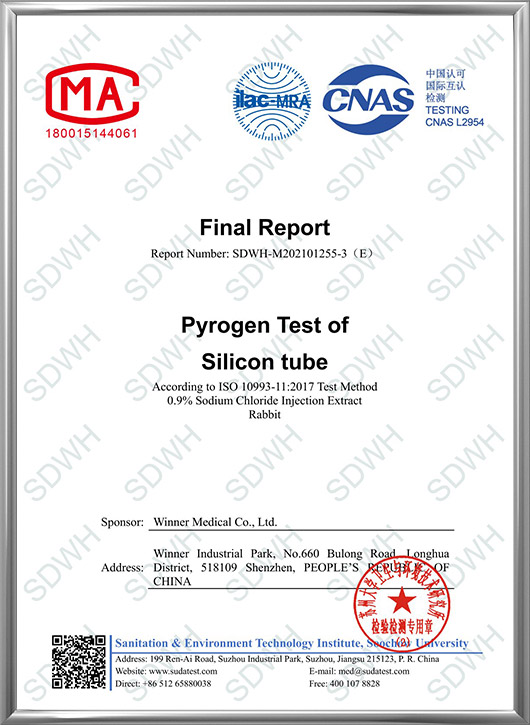
ISO 10993-11:2017 Pyrogens
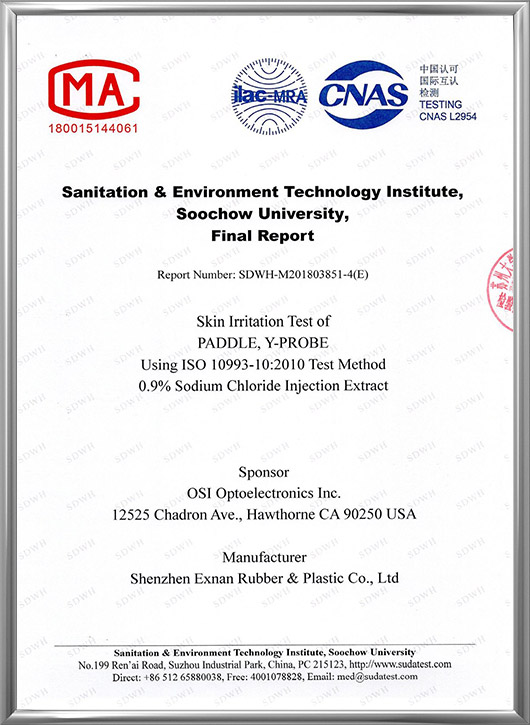
Skin irritation test for extract of 0.9% sodium chloride injection
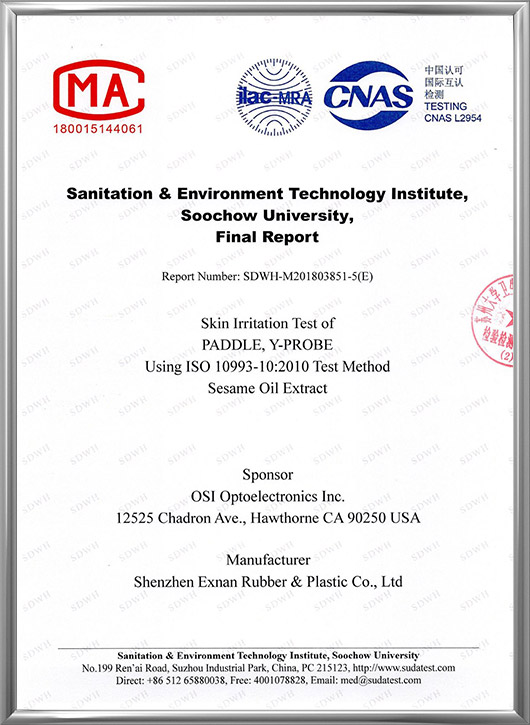
Skin irritation test for sesame oil extraction
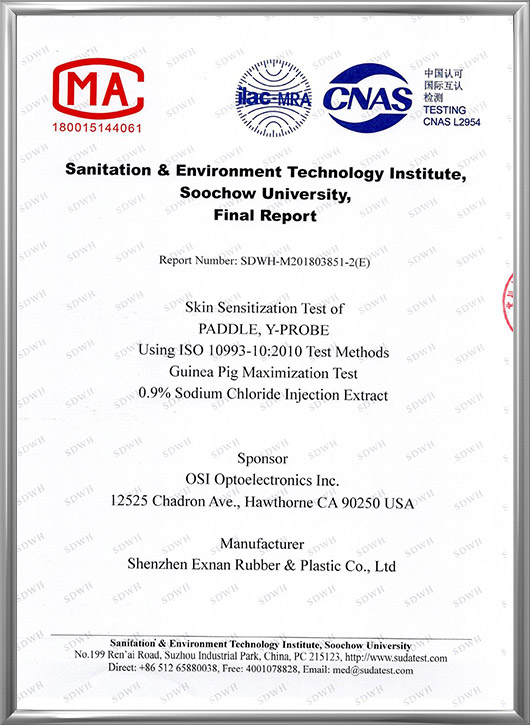
Skin sensitization test in guinea pigs using the maximization method with 0.9% sodium chloride injec
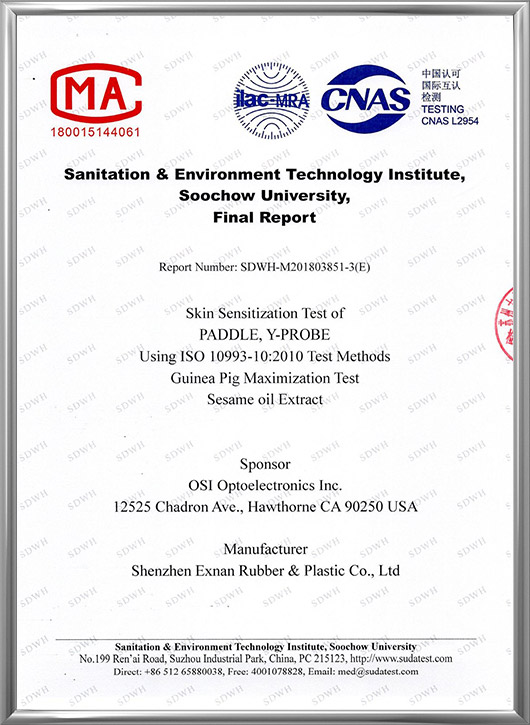
Skin sensitization test in guinea pigs:maximization method with sesame oil extraction
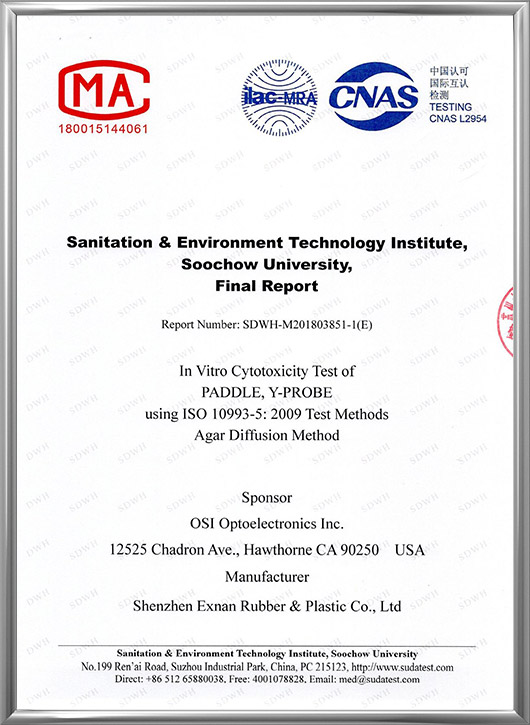
Cell toxicity test:agar diffusion method
Cooperating customers
Till now, Exnan products has been exports 35 countries, and more than 500 Medical equipment factory, health care companies, hospitals, clinics use our products, and win good reputation.
















New
Our silicone accessories meet international medical standards through strict quality control.
Ensure patient safety with our premium products. Explore our catalog today!
News
Our silicone accessories meet international medical standards through strict quality control.
Ensure patient safety with our premium products. Explore our catalog today!
-

Why Medical-Grade Silicone Is Essential for Advanced Healthcare Devices
Hey medical device innovators! Ever feel like choosing materials for your next-gen device is like walking a tightrope? Balancing biocompatibility, cost, and performance keeps you up at night.
MORE -

What are the benefits of medical-grade silicone?
Silicone advantage in medical High stability in adverse temperatures and resistance to chemical and thermal degradation. Conformable and soft to the touch. Superior hydrophobicity offers lubricious coating for syringes and surgical tools. Exceptional water repellency to ensure bacterial resistance.
MORE -

Medical-Grade Silicone Components: Slashing Patient Risk & Boosting Comfort in FDA/CE Devices
Hey folks, let’s cut to the chase: if you’re designing medical devices in Europe or North America, silicone isn’t just another material—it’s your frontline defense against recalls, patient harm, and regulatory headaches.
MORE -

Is silicone cheap to produce?
Producing silicone is costly due to significant production expenses. Creating its key component, silica (derived from sand), involves an expensive, time-consuming, and energy-intensive process requiring specialized equipment.
MORE -

Maximize Efficiency & Cost Savings: Custom vs. Off-the-Shelf Silicone Components
Medical silicones aren’t just pretty tubing. They're the: - Seals keeping bodily fluids out of electronics - Valves controlling life-critical drug dosages - Membranes enabling lab-on-a-chip diagnostics
MORE -

How is silicone graded?
Silicone rubbers are categorized by their intended purpose. Common grades include Food Grade (kitchen utensils like spatulas and cake molds), Medical Grade (healthcare products such as tubing/catheters), Industrial Grade (machinery parts and seals), and Flame Retardant Grade (where fire resistance is essential).
MORE -

Silicone Material Selector Tool: Find the Right Grade for Your Application
Choosing the right silicone material can seem confusing. Every project has different needs, like handling heat or chemicals. For instance, scar treatment sheets made of silicone may not work well on joints because they can be uncomfortable. Also, making silicone elastomers takes careful mixing and slow drying, which makes picking the right material harder.
MORE -

How do you make silicone more durable?
Plasticizers, commonly incorporated into silicone rubber, enhance flexibility and durability by reducing its glass transition temperature (Tg). This results in increased pliability and resistance to cracking or tearing.
MORE
Recent News
—
Welcome to contact us
If you have any questions, please fill in the relevant information. Weare very willing to provide more information and a full range ofservices for both you and your company
Welcome to contact us
If you have any questions, please fill in the relevant information. Weare very willing to provide more information and a full range ofservices for both you and your company
EXNAN

点击右上角
分享给朋友吧
Copyright © 2004-2024 Guangdong Exnan Technology Co.,Ltd
点击右上角
分享给朋友吧
Copyright © 2004-2024 Guangdong Exnan Technology Co.,Ltd

 +86-0752-3869959 / 3869960
 +86 180 0752 8206
 Building 8, China-Korea Emerging Intelligent Manufacturing Industrial Park, No.27, Songbailing Road, China-Korea (Huizhou) Industrial Park, Zhongkai Area, Huizhou City, Guangdong Province, China

WeChat scan
