

Contact Us
lf you have any queries, get in touch today! Don't hesitate, We try to take the extra step forour customer satisfaction.
"
Our certificate
Possess 800 square meters of Class 10,000 dust-free workshop, Passed ISO9001:2015 quality management system certification and ISO13485:2016 medical device quality management system, and its products have obtained multiple biocompatibility tests, US FDA and EU LFGB certifications.
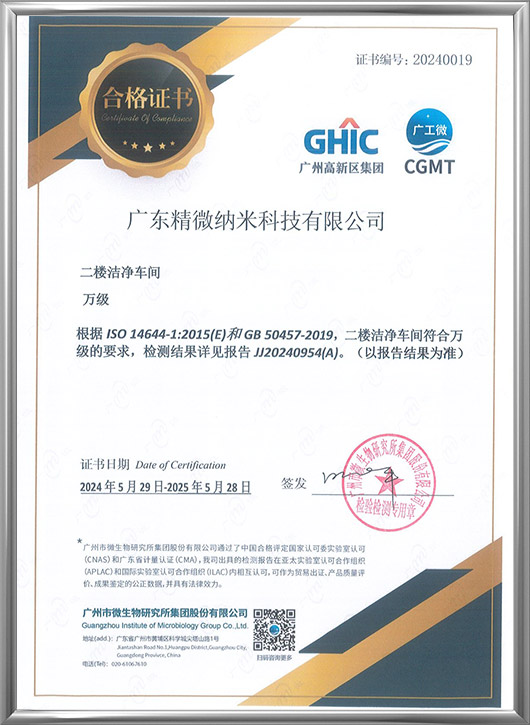
Class 10,000 cleanroom certification
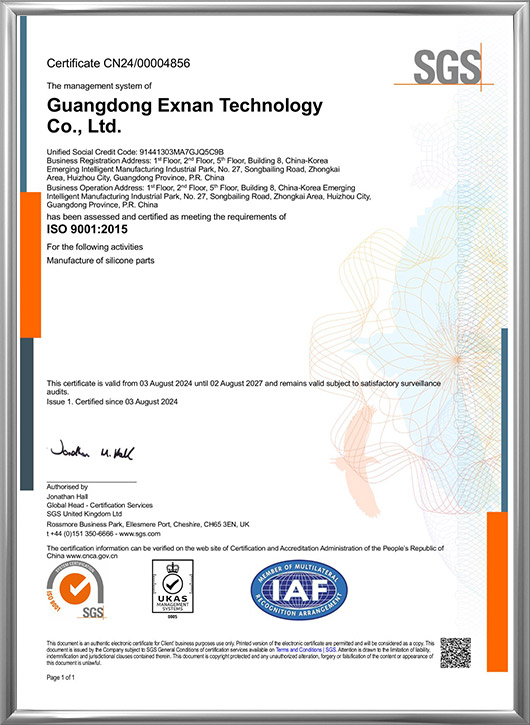
ISO 9001:2015
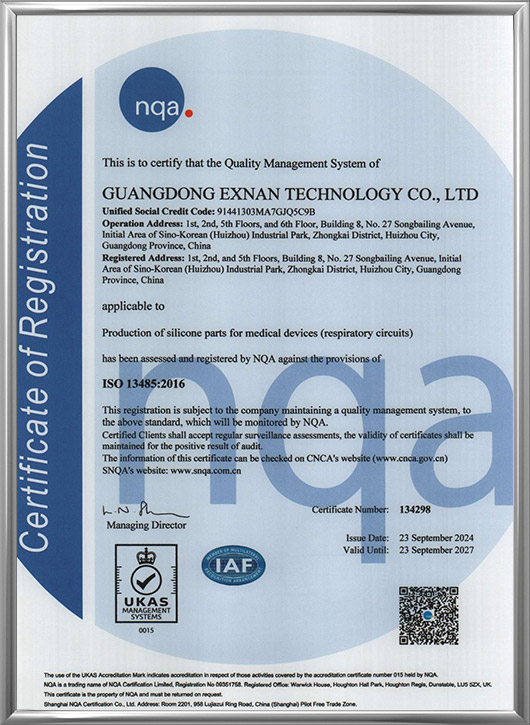
ISO 13485:2016
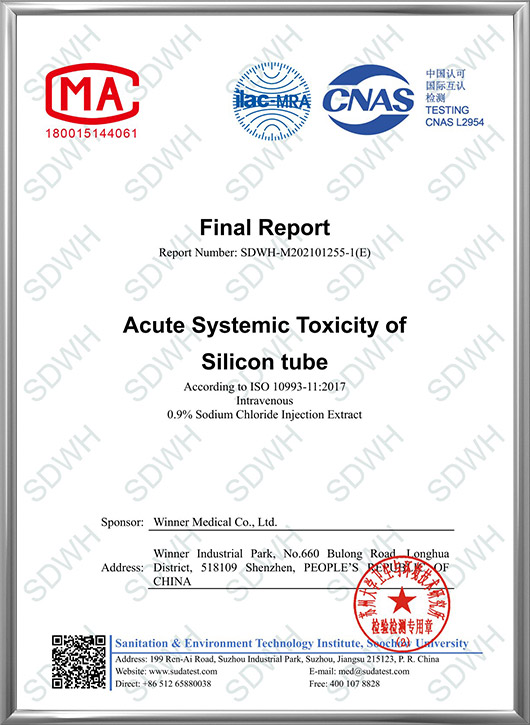
ISO 10993-11:2017 Tail vein injection
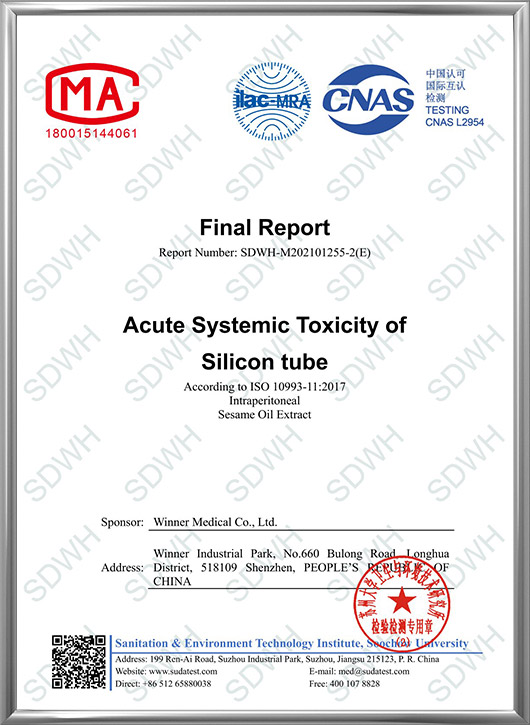
ISO 10993-11:2017 Intraperitoneal injection
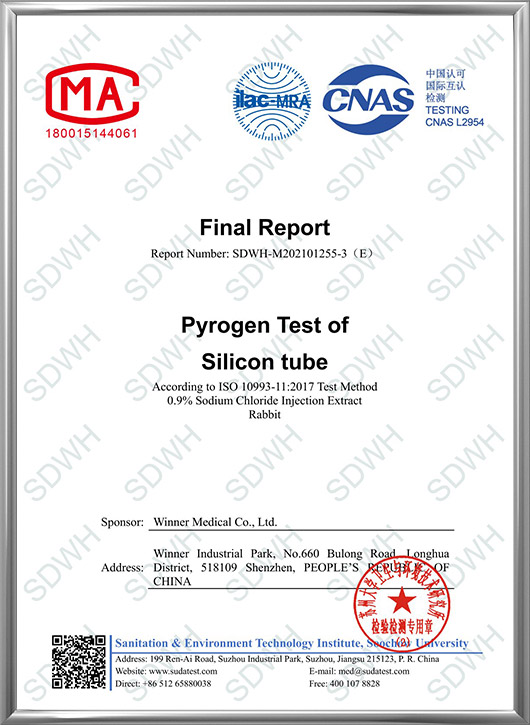
ISO 10993-11:2017 Pyrogens
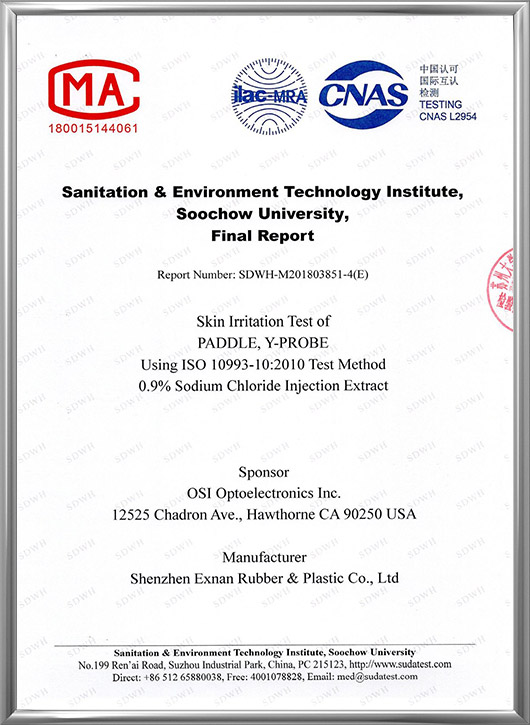
Skin irritation test for extract of 0.9% sodium chloride injection
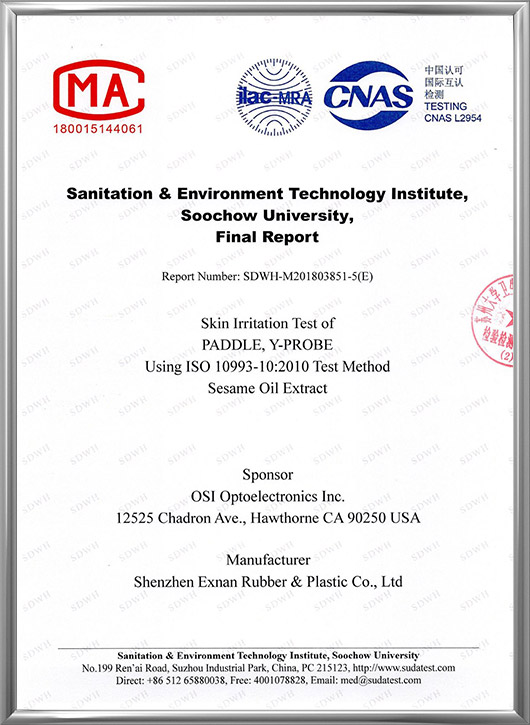
Skin irritation test for sesame oil extraction
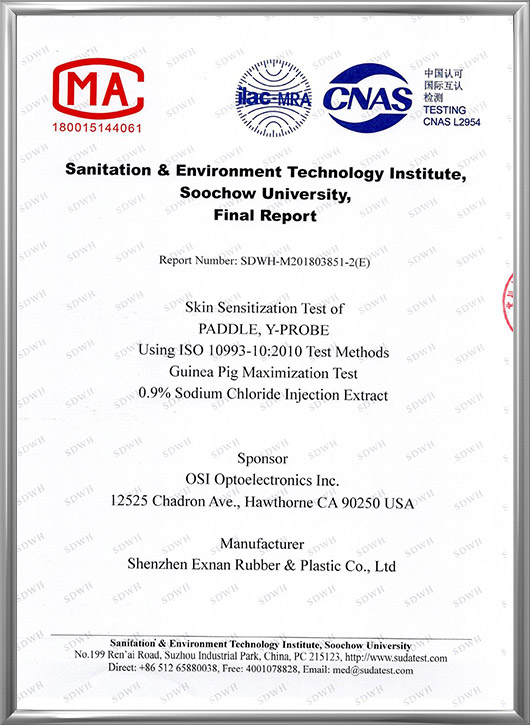
Skin sensitization test in guinea pigs using the maximization method with 0.9% sodium chloride injec
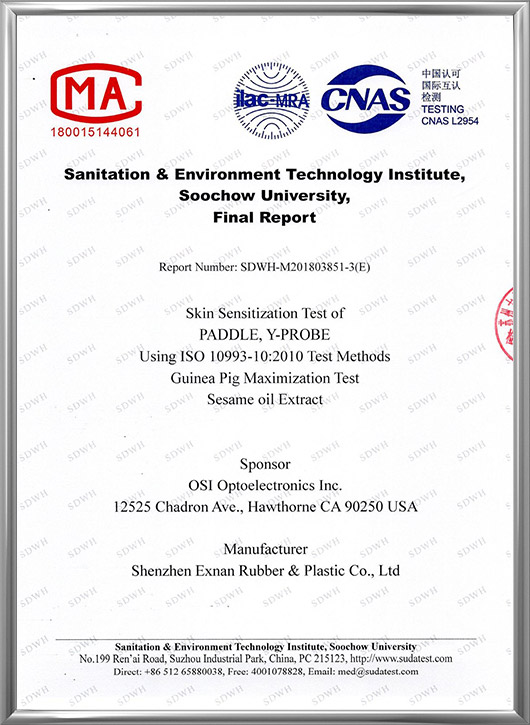
Skin sensitization test in guinea pigs:maximization method with sesame oil extraction
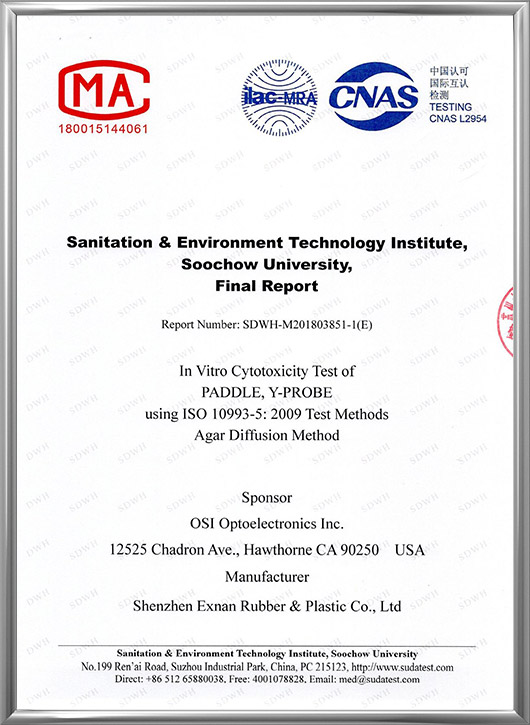
Cell toxicity test:agar diffusion method
Cooperating customers
Till now, Exnan products has been exports 35 countries, and more than 500 Medical equipment factory, health care companies, hospitals, clinics use our products, and win good reputation.


















New
Our silicone accessories meet international medical standards through strict quality control.
Ensure patient safety with our premium products. Explore our catalog today!
News
Our silicone accessories meet international medical standards through strict quality control.
Ensure patient safety with our premium products. Explore our catalog today!
-

Cleaning and Sterilization Guidelines for Medical Device Silicone Parts
Proper cleaning and sterilization of medical device silicone parts are crucial to ensure patient safety and device functionality. This guide aims to provide best practices and tips to help medical professionals and manufacturers maintain the highest standards of cleanliness and sterility.
MORE -

Does medical grade silicone degrade?
Medical grade silicone is engineered to remain stable and not degrade under a variety of sterilization methods, such as autoclaving, gamma irradiation, and ethylene oxide sterilization.
MORE -

Common Issues and Solutions for Silicone Parts in Medical Devices
Silicone parts are widely used in medical devices due to their biocompatibility, flexibility, and resistance to high temperatures. They are found in everything from catheters and implants to surgical instruments and diagnostic equipment.
MORE -
What is the outlook for the silicone industry?
The silicone sector is poised for significant expansion, with the global market estimated to grow from $17.4 billion in 2024 to $23.3 billion by 2029. This represents a steady compound annual growth rate (CAGR) of 6.0% over the forecast period.
MORE -

Future Trends in Silicone Parts for Medical Devices
Hey there! When it comes to medical devices, silicone parts are like the unsung heroes. They're everywhere, from the tiny parts you can barely see to the big, life-saving devices. Why? Because silicone has some amazing properties that make it ideal for medical applications.
MORE -

Design and Testing Methods for Medical Device Silicone Parts
Hey there! If you're involved in the medical device industry, you know how crucial silicone parts are. They play a vital role in ensuring the reliability and safety of your devices. This article is all about the design and testing methods that help you get the most out of your silicone parts.
MORE -

EXNAN to Showcase Innovative Medical Silicon Components and Consumables at the 91st China International Medical Equipment (Spring) Expo
From April 8th to 11th, 2025, the 91st China International Medical Equipment (Spring) Expo (CMEF Spring) will be held at the National Convention and Exhibition Center (Shanghai).
MORE -
What Makes Silicone Biocompatible?
The biocompatibility of silicone is primarily due to its molecular structure, specifically the dimethylsiloxane chain (Table 14.9) [29]. From a toxicological perspective, the dimethylsiloxane chain is non-cytotoxic, meaning it does not harm living cells.
MORE


Recent News
—
Welcome to contact us
If you have any questions, please fill in the relevant information. Weare very willing to provide more information and a full range ofservices for both you and your company
Welcome to contact us
If you have any questions, please fill in the relevant information. Weare very willing to provide more information and a full range ofservices for both you and your company
EXNAN

点击右上角
分享给朋友吧
Copyright © 2004-2024 Guangdong Exnan Technology Co.,Ltd
点击右上角
分享给朋友吧
Copyright © 2004-2024 Guangdong Exnan Technology Co.,Ltd

 +86-0752-3869959 / 3869960
 +86 180 0752 8206
 Building 8, China-Korea Emerging Intelligent Manufacturing Industrial Park, No.27, Songbailing Road, China-Korea (Huizhou) Industrial Park, Zhongkai Area, Huizhou City, Guangdong Province, China

WeChat scan
