

Contact Us
lf you have any queries, get in touch today! Don't hesitate, We try to take the extra step forour customer satisfaction.

Hey there, I’m Steve!
I’m the sales manager of exnan medical silicone. I have been in this field for more than ten years. If you are looking for custom-made silicone rubber products, feel free to ask me any questions.
"
Our certificate
Possess 800 square meters of Class 10,000 dust-free workshop, Passed ISO9001:2015 quality management system certification and ISO13485:2016 medical device quality management system, and its products have obtained multiple biocompatibility tests, US FDA and EU LFGB certifications.
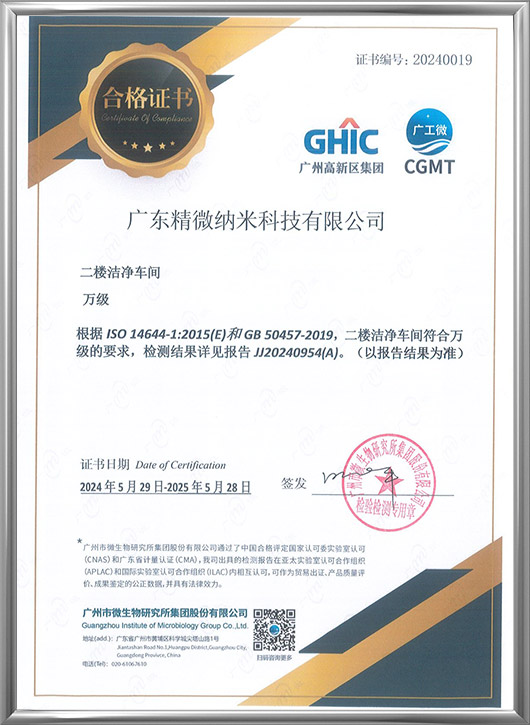
Class 10,000 cleanroom certification
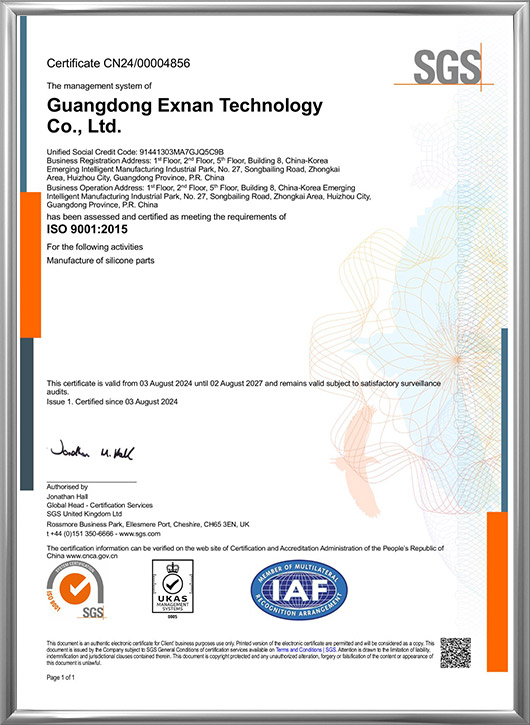
ISO 9001:2015
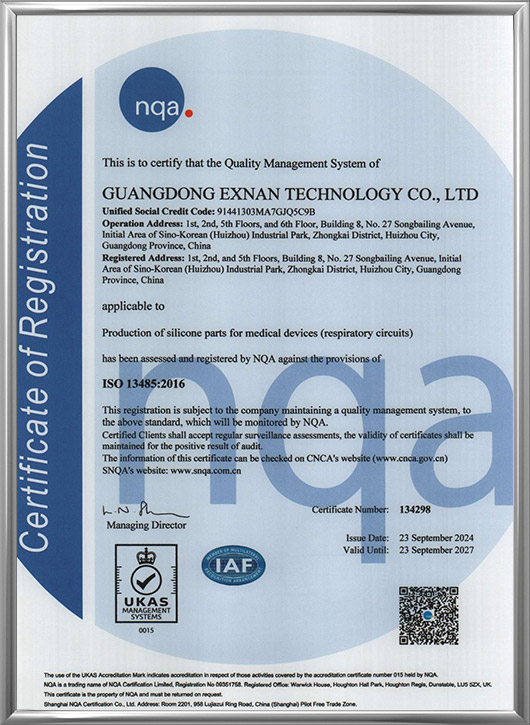
ISO 13485:2016
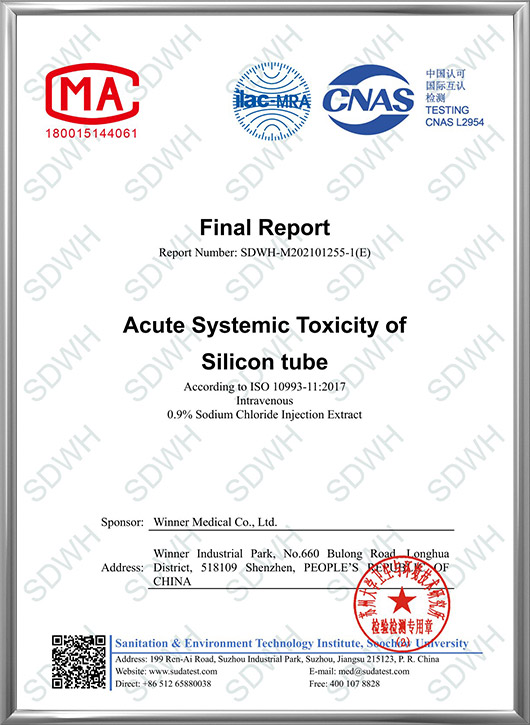
ISO 10993-11:2017 Tail vein injection
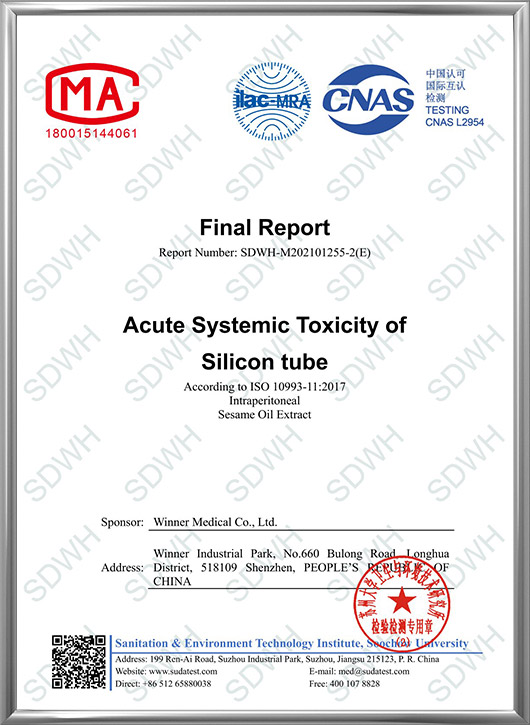
ISO 10993-11:2017 Intraperitoneal injection
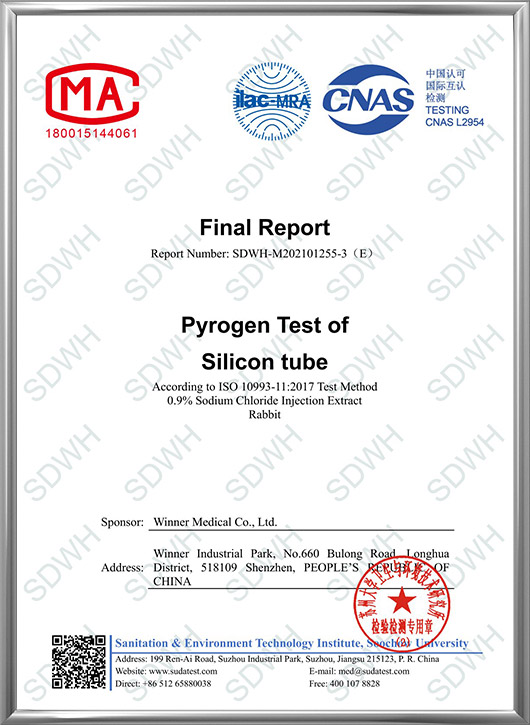
ISO 10993-11:2017 Pyrogens
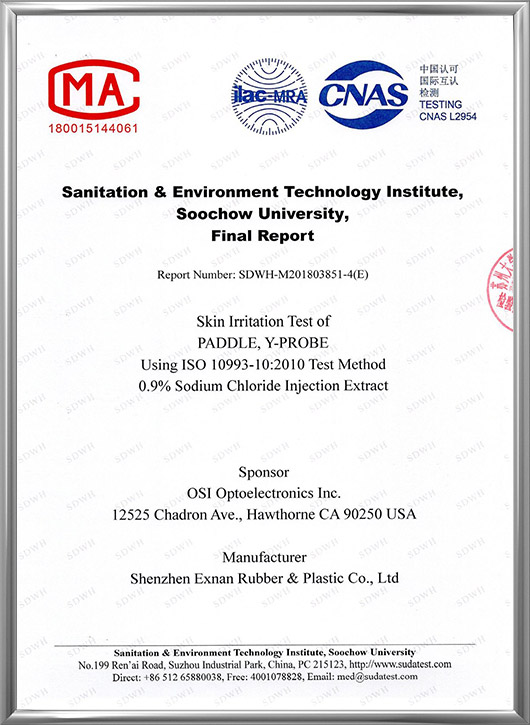
Skin irritation test for extract of 0.9% sodium chloride injection
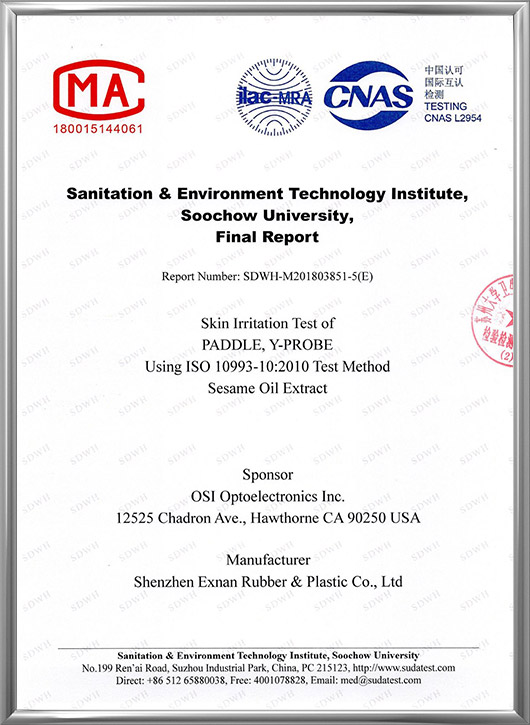
Skin irritation test for sesame oil extraction
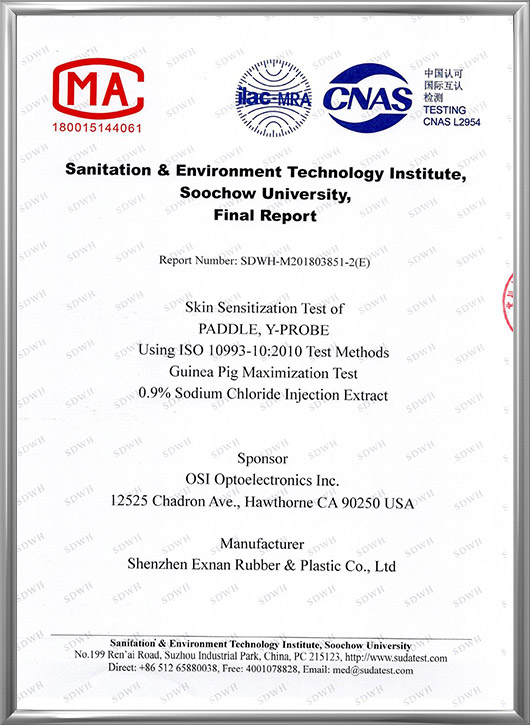
Skin sensitization test in guinea pigs using the maximization method with 0.9% sodium chloride injec
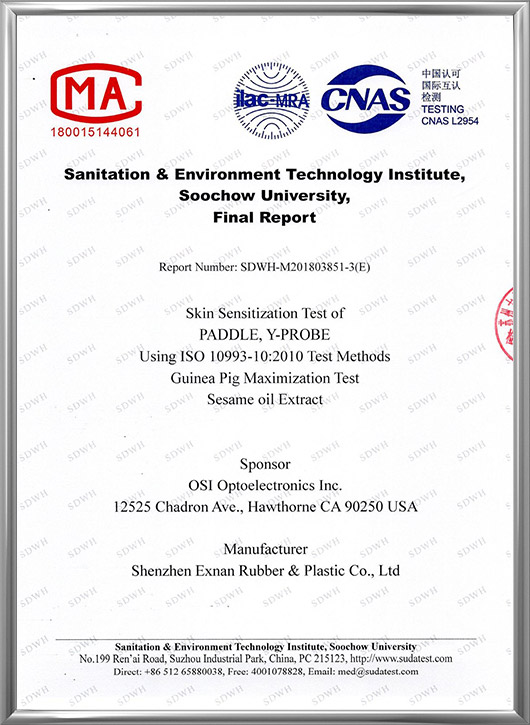
Skin sensitization test in guinea pigs:maximization method with sesame oil extraction
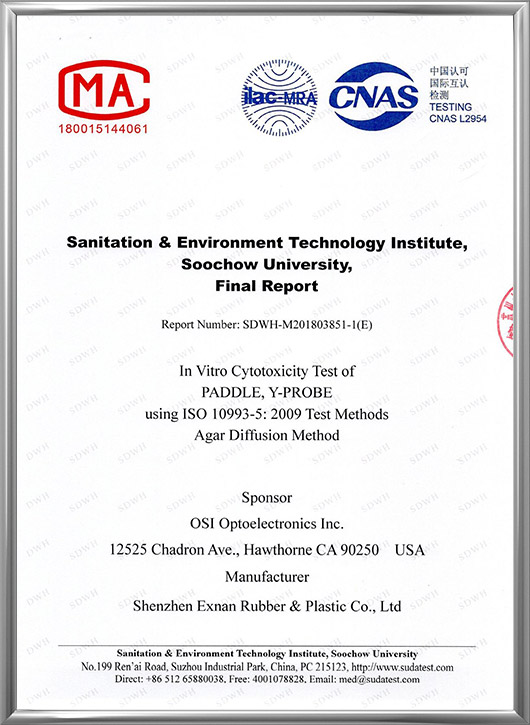
Cell toxicity test:agar diffusion method
Cooperating customers
Till now, Exnan products has been exports 35 countries, and more than 500 Medical equipment factory, health care companies, hospitals, clinics use our products, and win good reputation.


















New
Our silicone accessories meet international medical standards through strict quality control.
Ensure patient safety with our premium products. Explore our catalog today!
News
Our silicone accessories meet international medical standards through strict quality control.
Ensure patient safety with our premium products. Explore our catalog today!
Cleaning and Sterilization Guidelines for Medical Device Silicone Parts
Time: 2025-01-15 13:47:11
Author: Guangdong Exnan Technology Co.,Ltd
Click:
Proper cleaning and sterilization of medical device silicone parts are crucial to ensure patient safety and device functionality. This guide aims to provide best practices and tips to help medical professionals and manufacturers maintain the highest standards of cleanliness and sterility.

1. Introduction
- Purpose of the Guidelines
- Proper cleaning and sterilization of medical device silicone parts are crucial to ensure patient safety and device functionality. This guide aims to provide best practices and tips to help medical professionals and manufacturers maintain the highest standards of cleanliness and sterility.
- Scope
- This guide covers a variety of medical devices and silicone parts, including rubber tubing, anti-slip handles, defibrillator kits and cases, plugs, gaskets, and covers. We will also highlight the benefits of using high-quality silicone parts, such as those provided by EXNAN.
2. Properties of Medical Grade Silicone
- Biocompatibility
- Medical grade silicone is designed to be safe for use in close contact with human tissue and fluids. It is non-toxic and does not cause allergic reactions or irritation. Source: FDA Guidance for Industry and FDA Staff - Liquids Used to Clean and Disinfect Medical Devices
- Medical grade silicone is highly durable and flexible, making it perfect for a wide range of medical applications. It can withstand repeated sterilization processes without losing its shape or function.
- Chemical Resistance
- This material is resistant to degradation from common cleaning agents and sterilization processes, ensuring that it remains effective and safe for long-term use. Source: Properties of Silicone Elastomers for Medical Applications
3. Importance of Cleaning and Sterilization
- Patient Safety
- Proper cleaning and sterilization can prevent infections and other health issues, which are critical in a healthcare setting.
- Device Functionality
- Keeping silicone parts clean and sterile ensures that medical devices operate optimally and maintain their integrity over time.
- Regulatory Compliance
- Adhering to cleaning and sterilization guidelines is essential for meeting regulatory standards, such as those set by the FDA and other health authorities.
4. Cleaning Methods
- Alcohol Wipes
- Procedure
1. Wipe the silicone part with an alcohol wipe to remove surface contaminants.
2. Allow the part to air dry completely before use.
- Effectiveness
- Alcohol wipes are highly effective in killing bacteria and removing surface dirt and dust.
- Precautions
- Ensure that the alcohol fully evaporates before using the part.
- Avoid prolonged exposure to alcohol, as it can degrade the silicone over time.
- Ultrasonic Cleaning
- Procedure
1. Place the silicone part in an ultrasonic cleaner filled with an appropriate cleaning solution.
2. Run the cleaner for the recommended time to remove deeply embedded contaminants.
3. Rinse the part with sterile water and allow it to dry.
- Effectiveness
- Ultrasonic cleaning is highly effective in removing bacteria and other microorganisms from complex and delicate parts.
- Precautions
- Use a solution that is safe for silicone.
- Ensure that the part is not damaged by the cleaning process.
- Manual Cleaning
- Procedure
1. Rinse the silicone part with distilled water to remove loose debris.
2. Use a soft, non-abrasive brush and an appropriate detergent to clean the part.
3. Rinse thoroughly with sterile water and allow it to dry.
- Effectiveness
- Manual cleaning ensures that all surfaces are thoroughly cleaned.
- Precautions
- Use non-abrasive materials to avoid scratching the silicone surface.
- Avoid using harsh chemicals that can degrade the material.

5. Sterilization Methods
- Autoclaving (High-Pressure Steam Sterilization)
-Procedure
1. Place the silicone part in an autoclave.
2. Set the temperature and pressure according to the manufacturer's guidelines (usually 121°C at 15 psi for 15-20 minutes).
3. Allow the part to cool and dry before use.
- Effectiveness
- Autoclaving is highly effective in killing all microorganisms, including spores.
- Precautions
- Ensure that the silicone material is compatible with high temperature and pressure.
- Regularly maintain and test the autoclave to ensure it is functioning correctly.
- Gamma Radiation
- Procedure
1. Package the silicone part in a radiation-resistant material.
2. Place the package in a gamma radiation sterilization facility.
3. Expose the part to the recommended dose of gamma radiation.
- Effectiveness
- Gamma radiation is a physical and chemical means of sterilization that destroys bacterial DNA, preventing replication.
- Precautions
- Assess the impact of radiation on the material properties.
- Ensure proper radiation protection for personnel and the environment.
- Dry Heat Sterilization
- Procedure
1. Preheat the oven to the recommended temperature (usually 160-170°C for 2-3 hours).
2. Place the silicone part in the oven and ensure uniform heating.
3. Allow the part to cool completely before use.
- Effectiveness
- Dry heat sterilization is suitable for materials that cannot withstand moisture.
- Precautions
- Ensure uniform heating to avoid local overheating.
- Monitor the temperature and time to prevent material degradation.
- Ethylene Oxide (EO) Gas Sterilization
- Procedure
1. Place the silicone part in a sealed chamber.
2. Introduce EO gas at the recommended concentration and exposure time.
3. Allow the part to outgas to remove any residuals.
- Effectiveness
- EO gas is highly effective against a wide range of microorganisms and can penetrate complex structures.
- Precautions
- Control the gas concentration to prevent damage to the part.
- Ensure complete outgassing to remove residuals and avoid toxicity.

6. Pre and Post-Use Cleaning and Sterilization
- Pre-Use Cleaning
- Steps
1. Visually inspect the silicone part for any visible contaminants or damage.
2. Clean the part using one of the methods described above.
3. Ensure the part is completely dry before use.
- Importance
- Removing any contaminants introduced during manufacturing or storage is crucial for patient safety.
- Post-Use Cleaning and Sterilization
- Steps
1. Remove the silicone part from the device immediately after use.
2. Clean the part using one of the methods described above.
3. Sterilize the part using an appropriate method.
4. Store the part in a clean, dry, and sterile environment.
- Importance
- Ensuring that all patient contact surfaces are free of bacteria and other pathogens is essential for maintaining sterility.
7. Quality Control and Validation
- Regular Testing
- Importance
- Regular testing helps ensure that cleaning and sterilization processes are effective and meet regulatory standards.
- Methods
- Use biological indicators and spore tests to verify the effectiveness of sterilization.
- Validation Procedures
- Steps
1. Develop a detailed validation plan.
2. Perform initial validation testing to confirm the process works.
3. Conduct periodic revalidation to ensure ongoing effectiveness.
- Documentation
- Keep detailed records of all cleaning and sterilization activities, including test results and validation reports, for regulatory compliance and quality assurance.
8. Best Practices for Maintaining Sterility
- Storage Conditions
- Recommendations
- Store cleaned and sterilized silicone parts in a clean, dry, and sterile environment.
- Use airtight containers or packaging to prevent recontamination.
- Handling Procedures
- Guidelines
- Use sterile gloves when handling silicone parts.
- Avoid touching the part with bare hands.
- Place the part on a sterile surface when not in use.
- Training and Education
- Importance
- Proper training of medical personnel is essential for maintaining sterility.
- Methods
- Provide regular training sessions on cleaning and sterilization techniques.
- Use educational materials and visual aids to reinforce best practices.

9. Case Studies and Examples
- Successful Implementation
- Example 1
- [Hospital A] effectively implemented an ultrasonic cleaning and autoclaving protocol for their silicone medical tubing, resulting in a significant reduction in post-operative infections.
- Example 2
- [Clinic B] used gamma radiation to sterilize their silicone defibrillator kits, ensuring that all patients received sterile equipment.
- Challenges and Solutions
- Challenge 1
- [Issue: Water-sensitive parts] Solution: Switched to dry heat sterilization for specific water-sensitive silicone parts.
- Challenge 2
- [Issue: Radiation-induced degradation] Solution: Conducted material compatibility testing and selected a different silicone grade suitable for gamma radiation.
10. Conclusion
- Summary of Key Points
- Proper cleaning and sterilization of medical device silicone parts is essential for patient safety and device functionality. Various methods are available, each with its own procedures, effectiveness, and precautions.
- Final Thoughts
- Adhering to these guidelines helps ensure that medical devices remain sterile and effective, ultimately contributing to better patient outcomes.
- Call to Action
- We encourage medical professionals and manufacturers to adopt and follow these guidelines to maintain the highest standards of cleanliness and sterility.
- Consider using high-quality silicone parts from EXNAN, which are designed to withstand rigorous cleaning and sterilization processes. Visit EXNAN's Medical Silicone Products for more information.
Tables and Charts
Table 1: Comparison of Cleaning Methods
| Method | Procedure | Effectiveness | Precautions |
| Alcohol Wipes | Wipe the part with alcohol, allow to air dry. | Immediate bacteria kill, surface cleaning. | Ensure complete evaporation, avoid prolonged exposure. |
| Ultrasonic | Place in ultrasonic cleaner, use appropriate solution, rinse and dry. | Removes deeply embedded contaminants, highly effective. | Use safe solutions, avoid damage to delicate parts. |
| Manual Cleaning | Rinse with distilled water, use soft brush and detergent, rinse again, dry. | Thorough cleaning of all surfaces. | Use non-abrasive materials, avoid harsh chemicals. |
Table 2: Comparison of Sterilization Methods
| Method | Procedure | Effectiveness | Precautions |
| Autoclaving | Place in autoclave, set temperature and pressure, allow to cool and dry. | Kills all microorganisms, including spores. | Ensure compatibility with high temperature and pressure. |
| Gamma Radiation | Package in radiation-resistant material, expose to gamma radiation, verify effectiveness. | Physical and chemical sterilization, destroys DNA. | Assess material impact, ensure radiation protection. |
| Dry Heat Sterilization | Preheat oven, place part in oven, ensure uniform heating, allow to cool. | Suitable for moisture-sensitive materials. | Ensure uniform heating, avoid local overheating. |
| EO Gas Sterilization | Place in sealed chamber, introduce EO gas, remove residuals through outgassing, verify effectiveness. | Effective against a wide range of microorganisms. | Control gas concentration, ensure complete outgassing. |
References
- FDA Guidance for Industry and FDA Staff - Liquids Used to Clean and Disinfect Medical Device
- Properties of Silicone Elastomers for Medical Applications
- EXNAN's Medical Silicone Products

点击右上角
分享给朋友吧







 Long by picture save/share
0
文章推荐
Silicone Parts Fail After Sterilization: 5 Proven Fixes
Medical Silicone vs. TPE/TPU: Why Is Silicone Still the Preferred Material for Medical Consumables?
Medical Silicone Mold Design: The First Gateway to Product Precision
New Requirements of ISO13485:2016 for Medical Silicone Suppliers
Medical Silicone Consumables Market Sees New Growth: Respiratory Equipment Drives Demand for Precision Components
Related news recommendations —
Related Products —




News Products —
INQUIRY


Add Successfully

Hey there, I’m Steve!
15+ years in medical silicone accessories, linking manufacturers and healthcare providers for compliant, high-quality products. Trusted advisor focused on innovation and patient care. If you are looking for custom-made silicone rubber products, feel free to ask me any questions.
Hey there, I’m Steve!
15+ years in medical silicone accessories, linking manufacturers and healthcare providers for compliant, high-quality products. Trusted advisor focused on innovation and patient care. If you are looking for custom-made silicone rubber products, feel free to ask me any questions.
Welcome to contact us
If you have any questions, please fill in the relevant information. Weare very willing to provide more information and a full range ofservices for both you and your company
Welcome to contact us
If you have any questions, please fill in the relevant information. Weare very willing to provide more information and a full range ofservices for both you and your company
EXNAN
点击右上角
分享给朋友吧
Copyright © 2004-2024 Guangdong Exnan Technology Co.,Ltd
点击右上角
分享给朋友吧
Copyright © 2004-2024 Guangdong Exnan Technology Co.,Ltd

 +86-0752-3869959 / 3869960
 +86 180 0752 8206
 Building 8, China-Korea Emerging Intelligent Manufacturing Industrial Park, No.27, Songbailing Road, China-Korea (Huizhou) Industrial Park, Zhongkai Area, Huizhou City, Guangdong Province, China

WeChat scan
