

Contact Us
lf you have any queries, get in touch today! Don't hesitate, We try to take the extra step forour customer satisfaction.
"
Our certificate
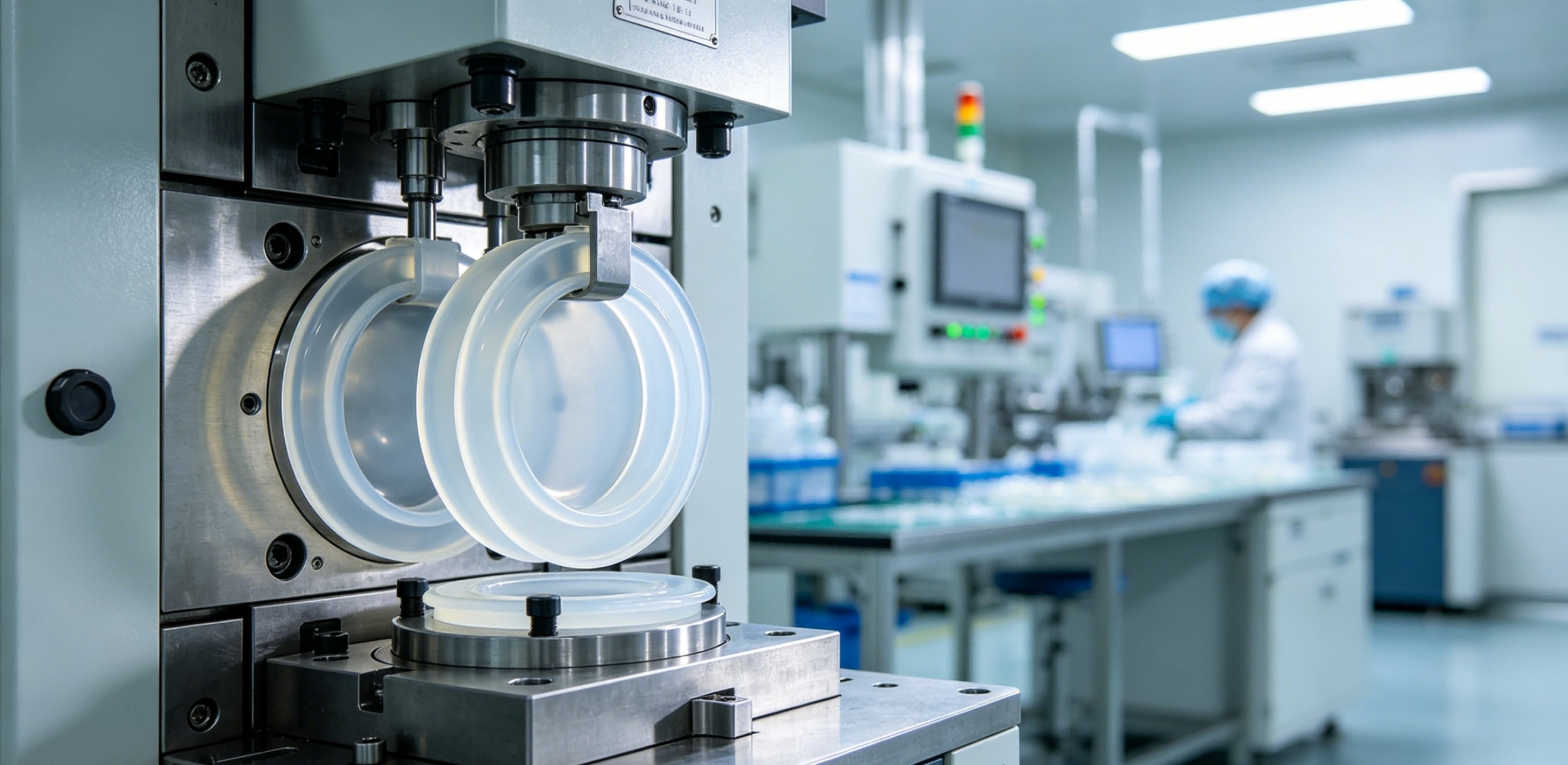
Possess 800 square meters of Class 10,000 dust-free workshop, Passed ISO9001:2015 quality management system certification and ISO13485:2016 medical device quality management system, and its products have obtained multiple biocompatibility tests, US FDA and EU LFGB certifications.
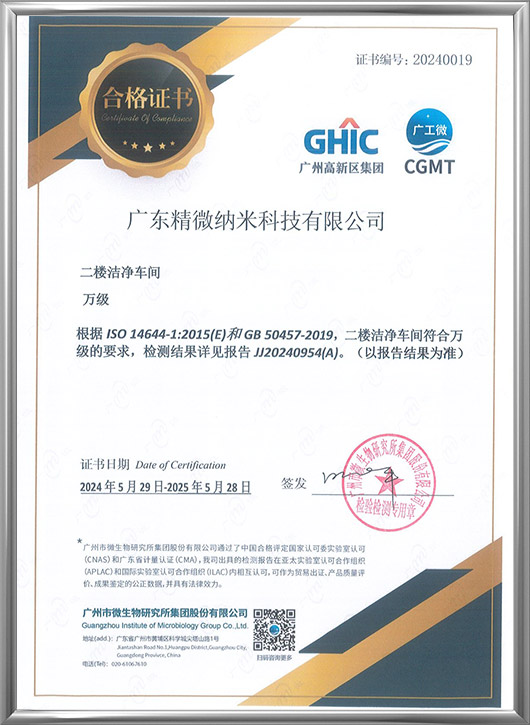
Class 10,000 cleanroom certification
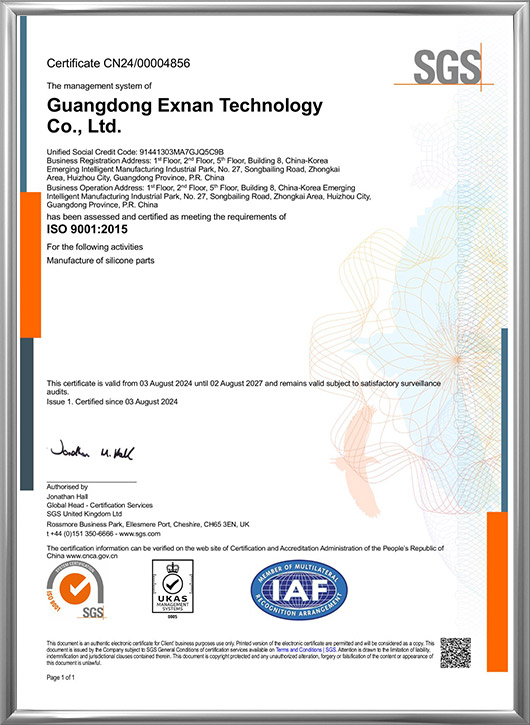
ISO 9001:2015
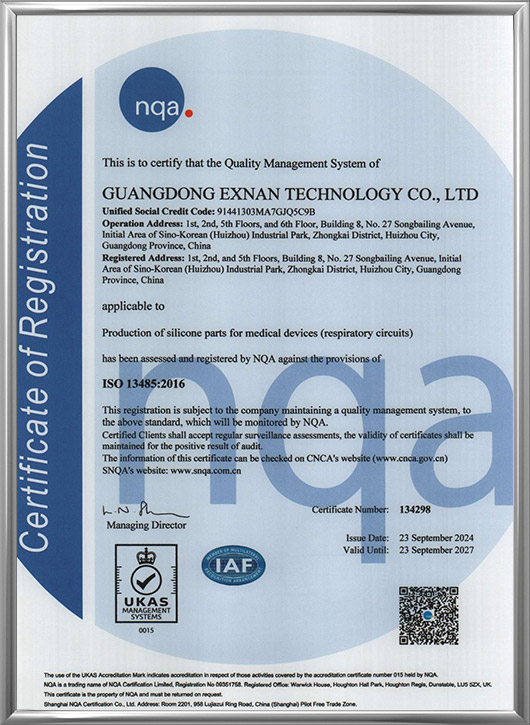
ISO 13485:2016
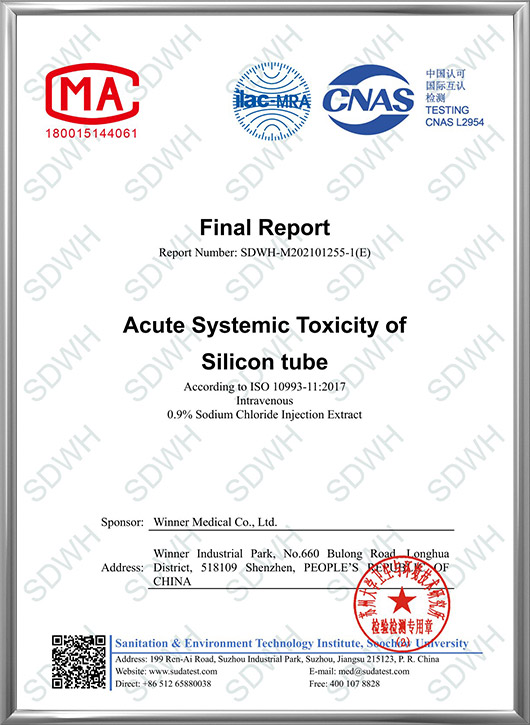
ISO 10993-11:2017 Tail vein injection
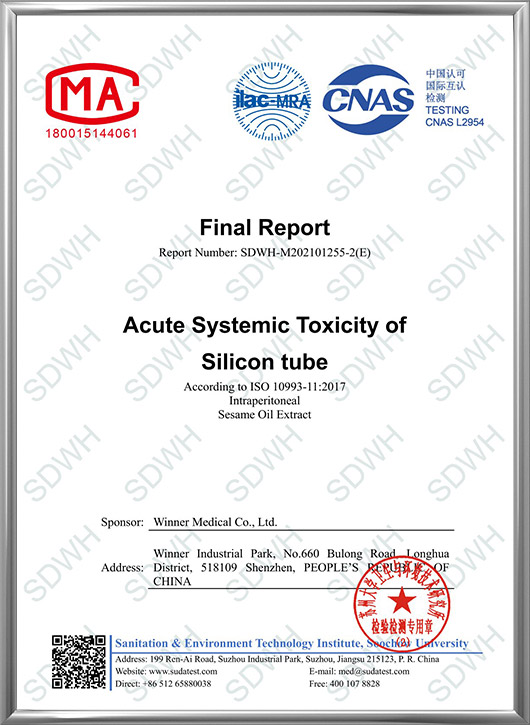
ISO 10993-11:2017 Intraperitoneal injection
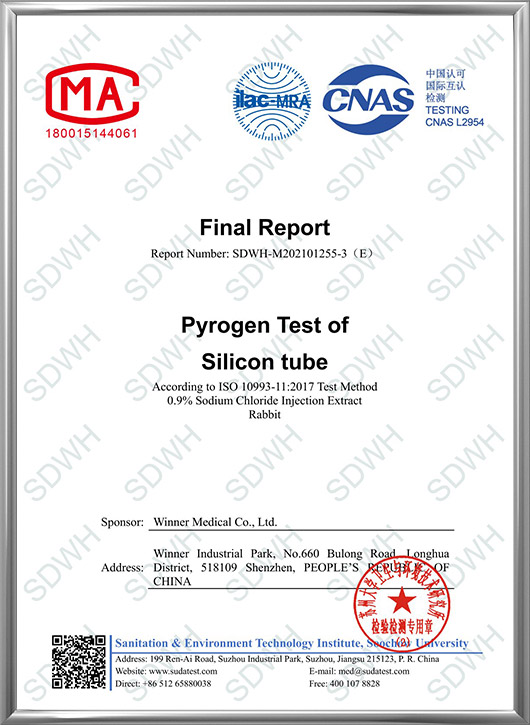
ISO 10993-11:2017 Pyrogens
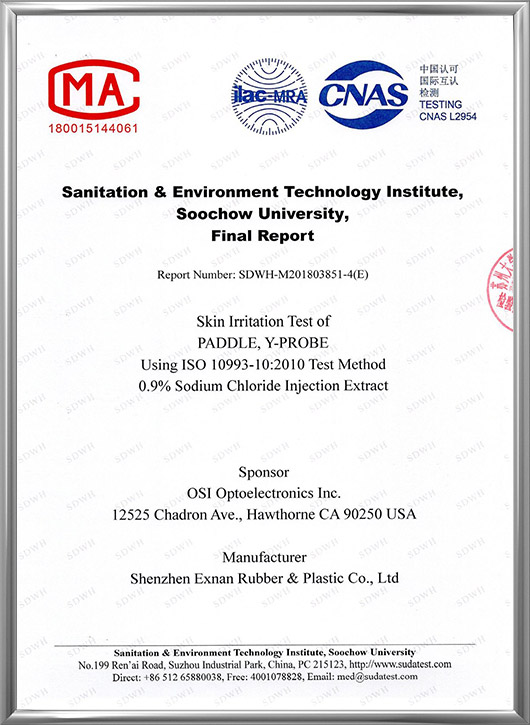
Skin irritation test for extract of 0.9% sodium chloride injection
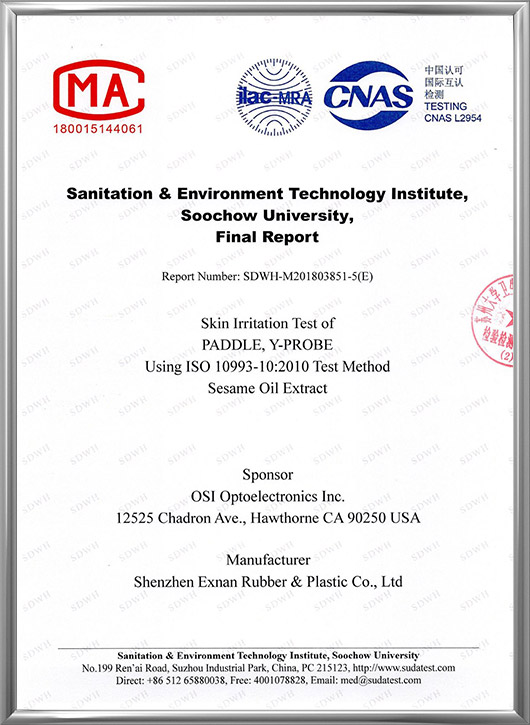
Skin irritation test for sesame oil extraction
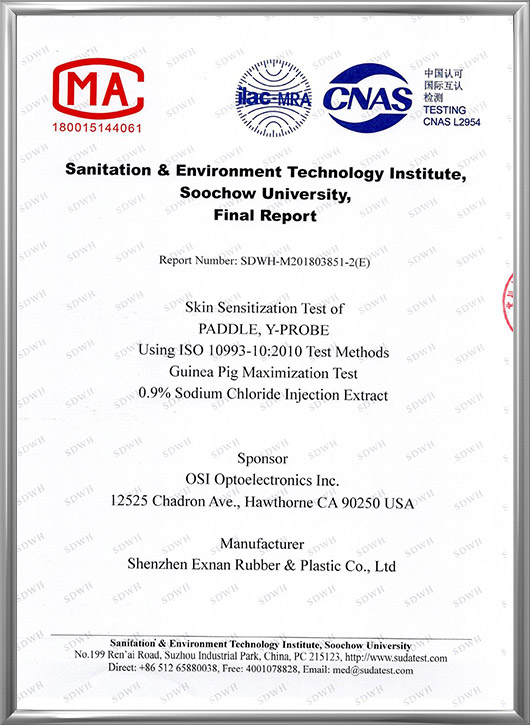
Skin sensitization test in guinea pigs using the maximization method with 0.9% sodium chloride injec
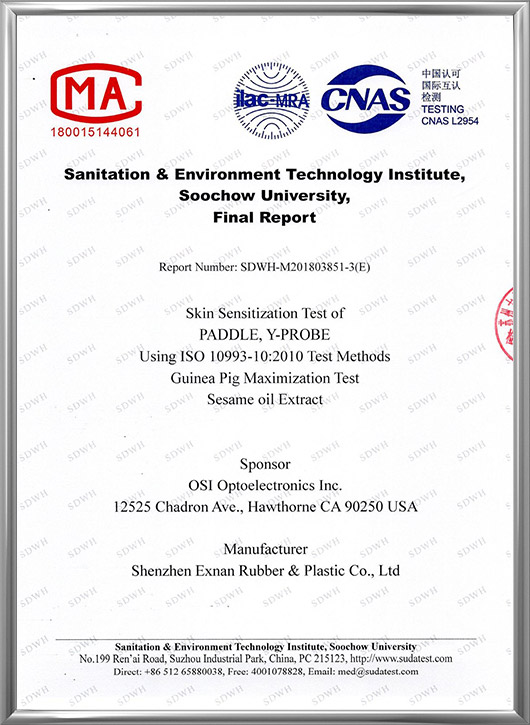
Skin sensitization test in guinea pigs:maximization method with sesame oil extraction
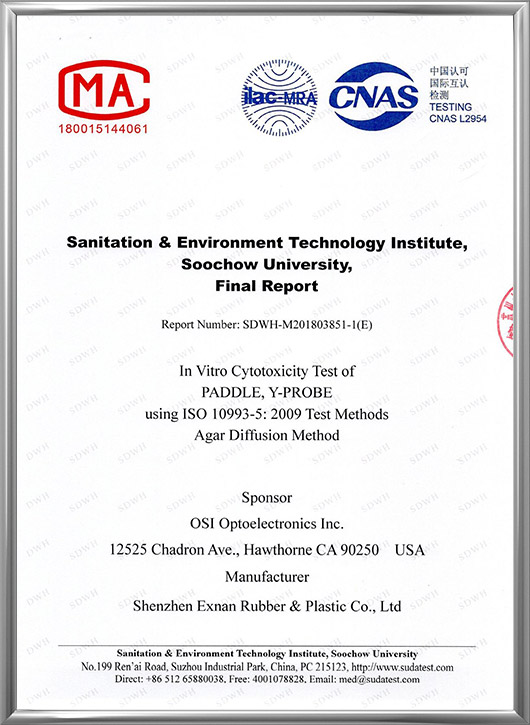
Cell toxicity test:agar diffusion method
Cooperating customers
Till now, Exnan products has been exports 35 countries, and more than 500 Medical equipment factory, health care companies, hospitals, clinics use our products, and win good reputation.







New
Our silicone accessories meet international medical standards through strict quality control.
Ensure patient safety with our premium products. Explore our catalog today!
News
Our silicone accessories meet international medical standards through strict quality control.
Ensure patient safety with our premium products. Explore our catalog today!
-

top Reco EXNAN: The Precision Silicone Partner Trusted by Implantable Device Manufacturers
The global implantable silicone components market is expanding rapidly. Manufacturers require suppliers with proven quality systems, biocompatibility certification, and precise manufacturing capabilities. EXNAN has become a preferred partner for implantable silicone part producers, offering custom OEM solutions for critical applications such as implantable port sealing plugs and base assemblies. With over 20 years of engineering experience, a 10+ year production quality team, and in-house testin
MORE -
top Reco Why Customization Is the Future of Medical Silicone Components – And Why Off-the-Shelf Parts Are Losing Ground
Off-the-shelf silicone parts hide risks in performance, compliance, and total cost. Medical devices need precision – not “almost.” Custom-engineered components fit your design exactly, ensure full biocompatibility documentation (ISO 10993, FDA MAF), and reduce assembly defects. Customization turns a simple part into a strategic asset. For medical device manufacturers, it is no longer a luxury – it is a necessity.
MORE -
top Reco 5 Core Properties of Medical-Grade Silicone: Why It’s the Preferred Material for Medical Devices
As the preferred material for medical devices, medical-grade silicone features excellent biocompatibility, sterilization resistance, high elasticity and precision customization capability, complying with strict standards such as USP Class VI and ISO 10993. We specialize in high-end custom medical silicone components, produced via platinum-cured process and ISO 13485 system, providing safe, compliant and high-precision silicone solutions for minimally invasive devices and respiratory equipment.
MORE -
Liquid Medical Silicone | Market Trends & Material Innovation 2026
Liquid silicone rubber (LSR) is increasingly used for precision medical components. The global LSR market is projected to grow from USD 3.71 billion (2025) to USD 8.80 billion by 2034 (CAGR 10.07%), driven by minimally invasive devices, drug delivery, and wearables. Material innovations include self-adhesive, self-lubricating, and emerging self-healing LSR — expanding possibilities for implantable and long-term drug delivery applications.
MORE -

Review of China’s Domestic Customized Medical Ventilator Silicone Mask Manufacturers: Focus on Exnan
Medical ventilator silicone masks are core components of respiratory support equipment, directly contacting the human respiratory tract and skin. Their safety, biocompatibility, airtightness and customization capability are crucial to clinical use and patient comfort. With the rapid development of China’s medical device industry, a number of domestic manufacturers specializing in customized medical ventilator silicone masks have emerged, each with its own advantages in technology, production cap
MORE -

Evaluation of Custom Medical Silicone Ventilator Mask Manufacturers in China
In the rapidly evolving global medical device market, China has emerged as a pivotal manufacturing hub for high-quality medical-grade silicone products, particularly custom silicone ventilator masks. These critical components demand exceptional biocompatibility, sealing precision, comfort, and regulatory compliance. This evaluation assesses key domestic manufacturers, with a focus on EXNAN—a leading professional medical-grade silicone custom source factory with 20 years of expertise. The analysi
MORE -
Visit Us at MEDICA 2025: Booth 5F13 for Precision Medical Silicone Solutions
Join us at MEDICA 2025 (Düsseldorf, November 17-20) at Hall 5 International
MORE -

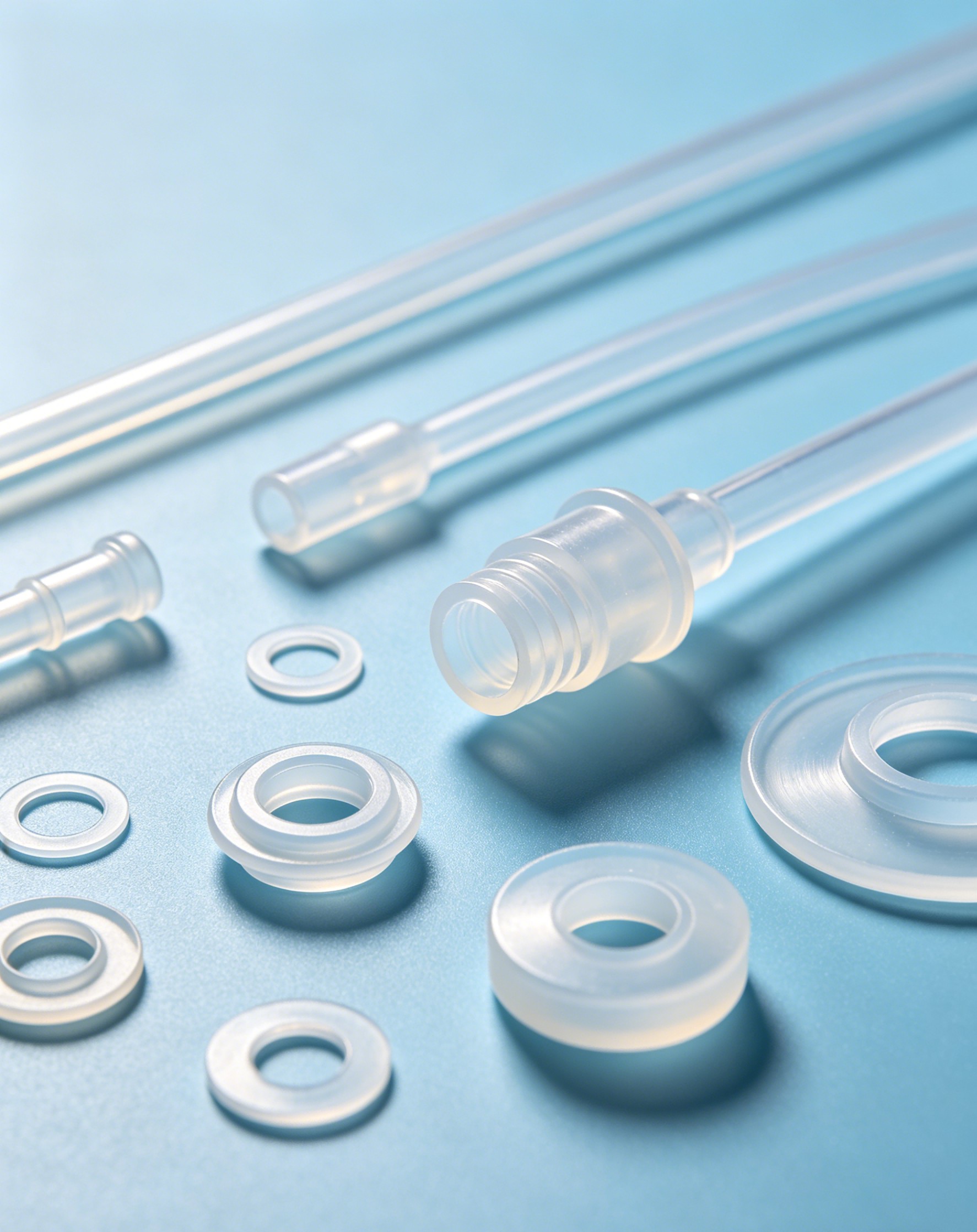
Custom Medical Silicone Accessories: Precision, Durability, and Compliance (Your Secret Weapon Inside)
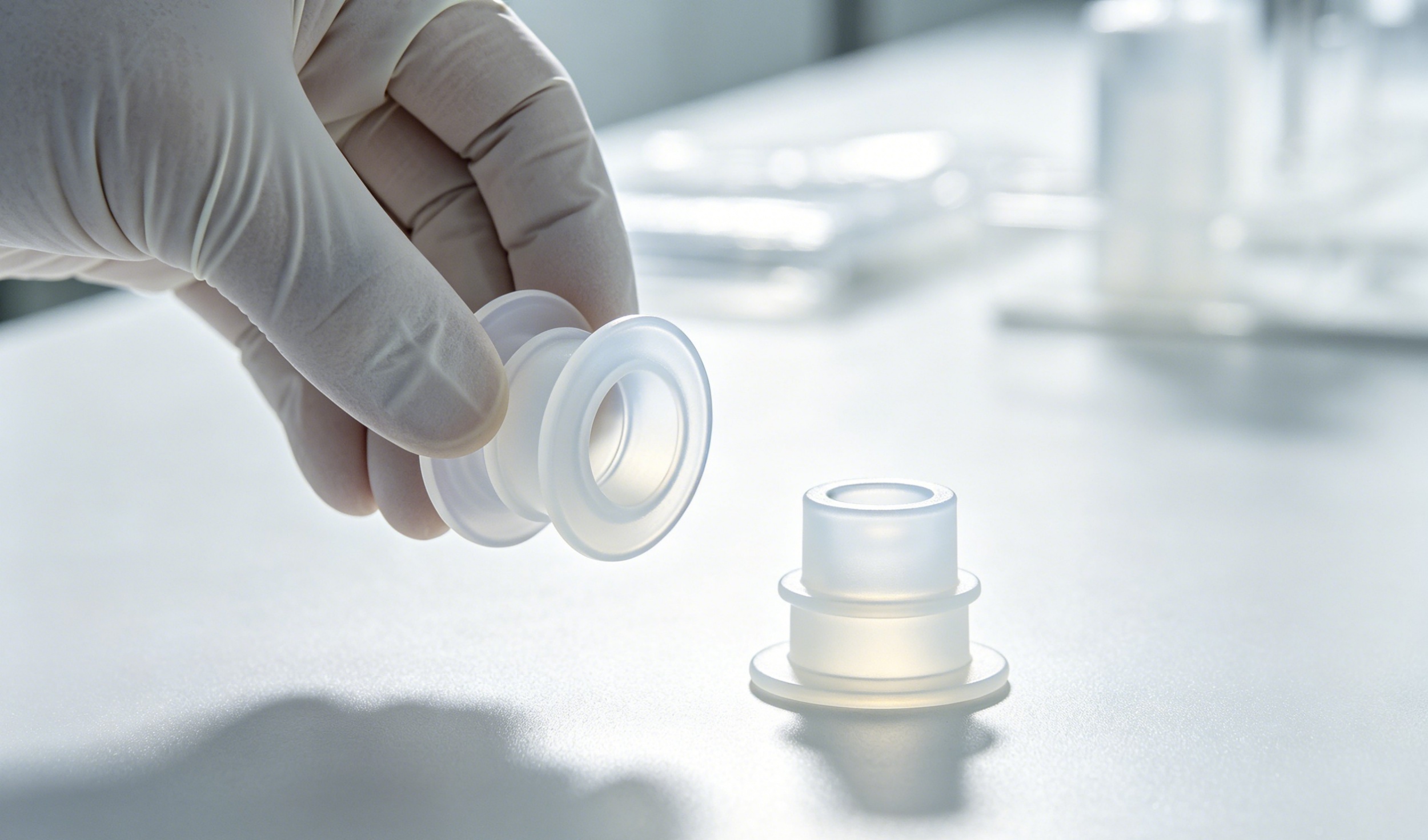
Hey medical device innovators across Europe and the US – we need to talk. Ever felt like your device is brilliant, but a critical seal, gasket, or tubing component keeps letting you down? Maybe it's failing biocompatibility tests, cracking during sterilization, or just doesn’t quite fit the way your CAD model promised?
MORE


Recent News
—
Welcome to contact us
If you have any questions, please fill in the relevant information. Weare very willing to provide more information and a full range ofservices for both you and your company
Welcome to contact us
If you have any questions, please fill in the relevant information. Weare very willing to provide more information and a full range ofservices for both you and your company
EXNAN

点击右上角
分享给朋友吧
Copyright © 2004-2024 Guangdong Exnan Technology Co.,Ltd
点击右上角
分享给朋友吧
Copyright © 2004-2024 Guangdong Exnan Technology Co.,Ltd

 +86-0752-3869959 / 3869960
 +86 180 0752 8206
 Building 8, China-Korea Emerging Intelligent Manufacturing Industrial Park, No.27, Songbailing Road, China-Korea (Huizhou) Industrial Park, Zhongkai Area, Huizhou City, Guangdong Province, China

WeChat scan
