

Contact Us
lf you have any queries, get in touch today! Don't hesitate, We try to take the extra step forour customer satisfaction.
"
Our certificate
Possess 800 square meters of Class 10,000 dust-free workshop, Passed ISO9001:2015 quality management system certification and ISO13485:2016 medical device quality management system, and its products have obtained multiple biocompatibility tests, US FDA and EU LFGB certifications.
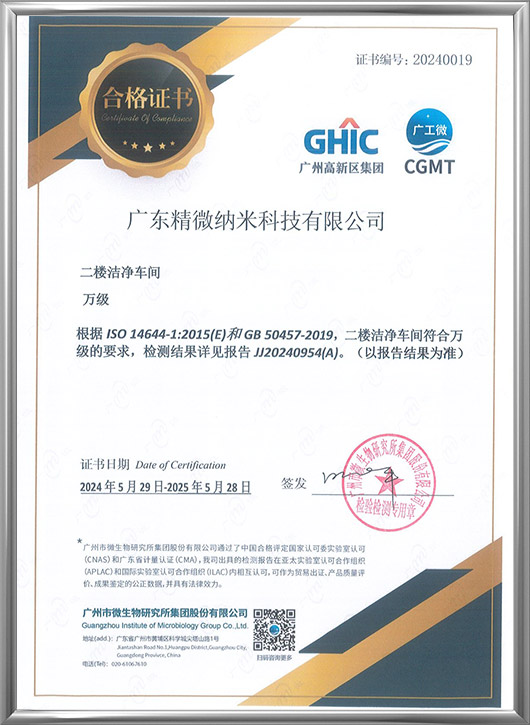
Class 10,000 cleanroom certification
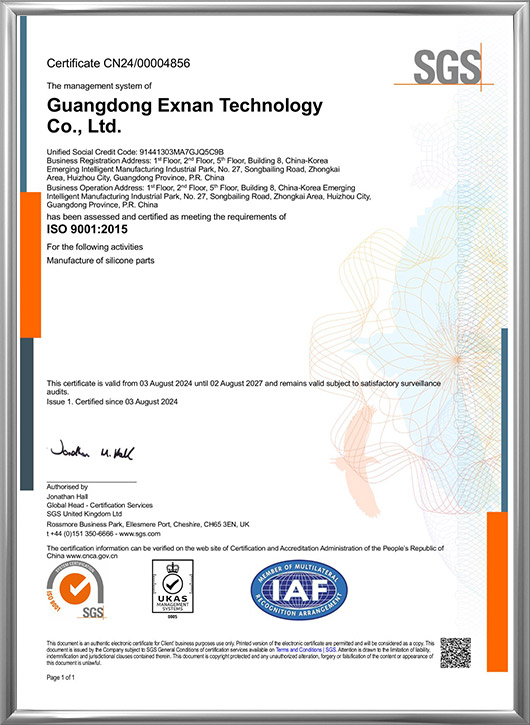
ISO 9001:2015
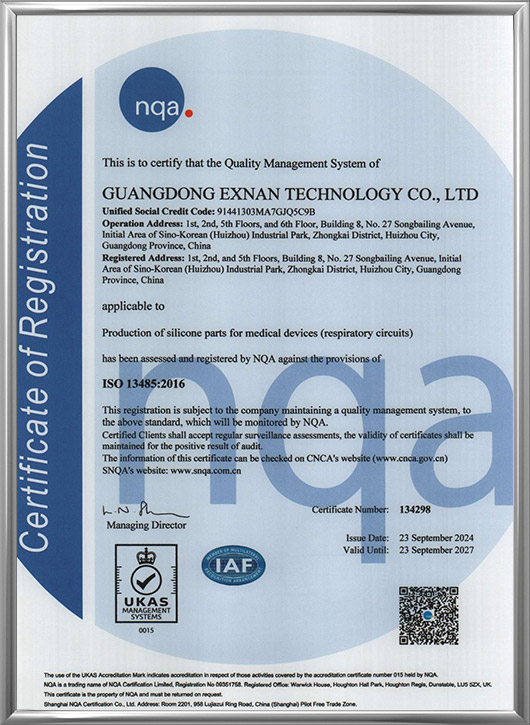
ISO 13485:2016
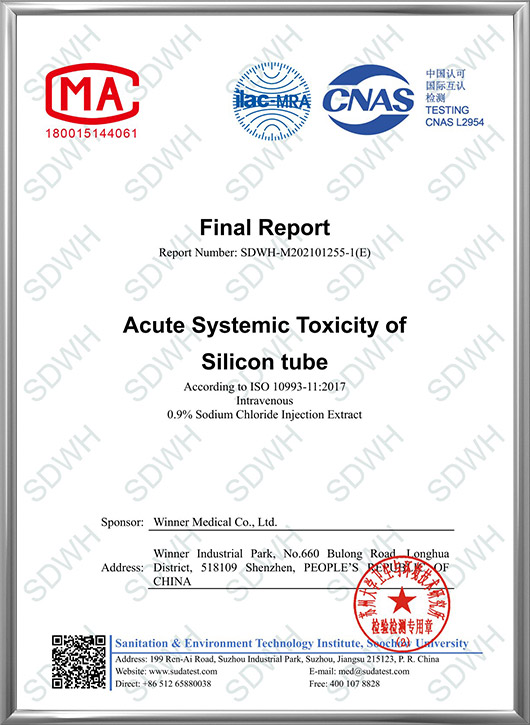
ISO 10993-11:2017 Tail vein injection
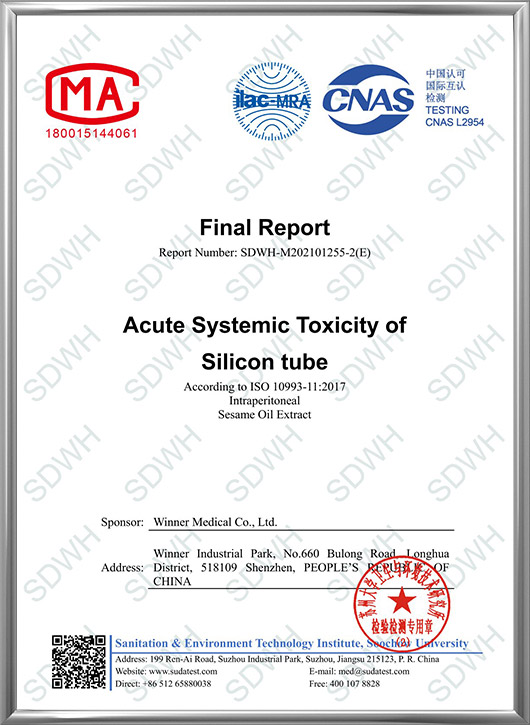
ISO 10993-11:2017 Intraperitoneal injection
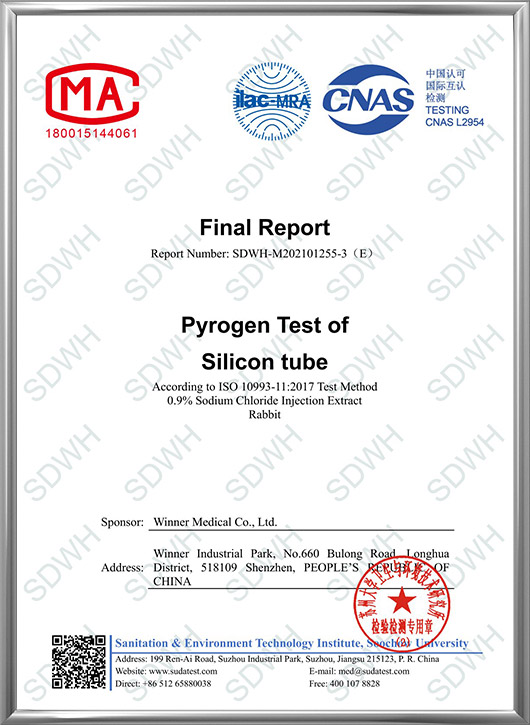
ISO 10993-11:2017 Pyrogens
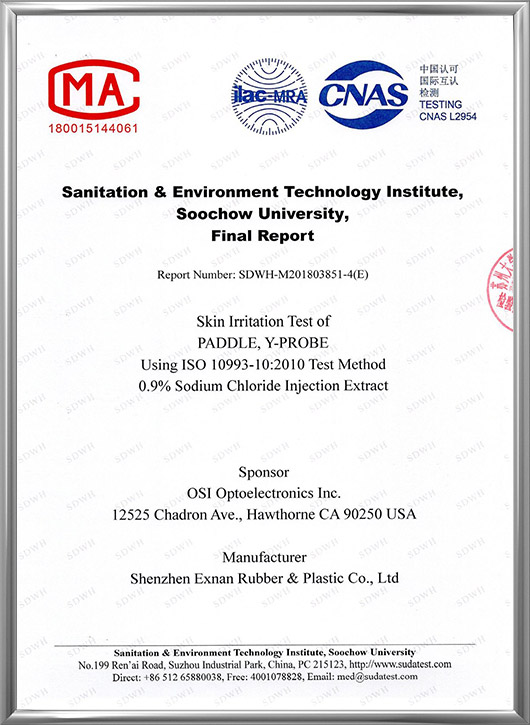
Skin irritation test for extract of 0.9% sodium chloride injection
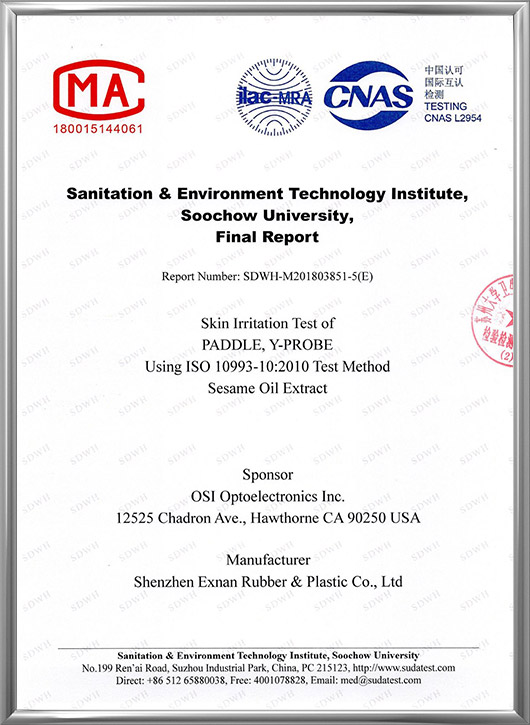
Skin irritation test for sesame oil extraction
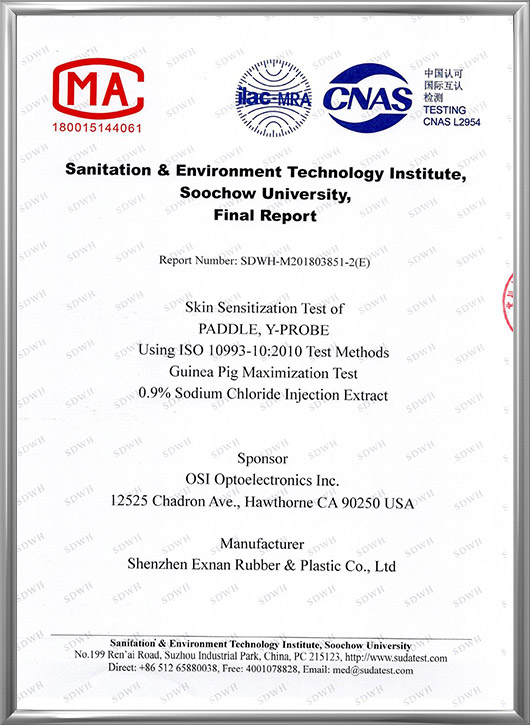
Skin sensitization test in guinea pigs using the maximization method with 0.9% sodium chloride injec
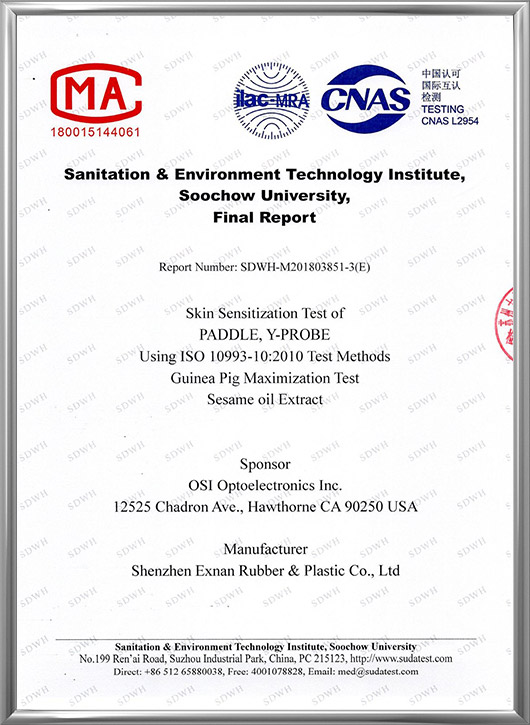
Skin sensitization test in guinea pigs:maximization method with sesame oil extraction
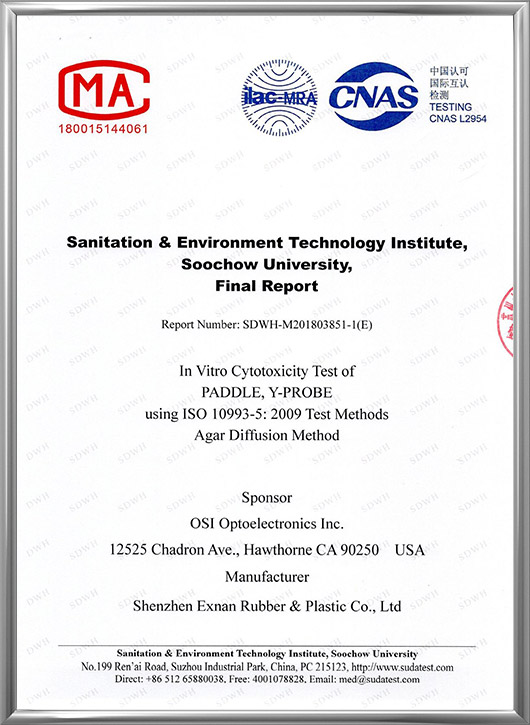
Cell toxicity test:agar diffusion method
Cooperating customers
Till now, Exnan products has been exports 35 countries, and more than 500 Medical equipment factory, health care companies, hospitals, clinics use our products, and win good reputation.














New
Our silicone accessories meet international medical standards through strict quality control.
Ensure patient safety with our premium products. Explore our catalog today!
News
Our silicone accessories meet international medical standards through strict quality control.
Ensure patient safety with our premium products. Explore our catalog today!
-

What is the size of the medical silicone market?
Q: What is the size of the medical silicone market?A: Size of the Medical Silico
MORE -

The Latest Trends in the Global Market for Medical Silicone Parts
Hey there, fellow medtech enthusiasts! I'm excited to dive into the world of silicone parts and how they're shaping up in the global market. If you're looking for cutting-edge solutions in medical device components, buckle up because we're about to uncover some game-changing trends. Let's get right into it!
MORE -

What is the role of IoT in medical field?
Within hospital settings and other healthcare facilities, IoT technology enables continuous patient observation, medical device optimization, and supply chain oversight. Environmental monitoring through IoT systems helps maintain optimal temperature, humidity levels, and air purity, contributing to infection control measures.
MORE -

How IoT Revolutionizes Medical Component Lifecycle Management
Did you know that 12% of medical device recalls are linked to supply chain or manufacturing flaws? Imagine the risks: delayed treatments, compromised patient safety, and skyrocketing costs. But what if you could track every component from factory to disposal—in real time?
MORE -
How does AI improve efficiency in manufacturing?
Enhances production speed: AI automation executes routine operations at scale, decreasing manual oversight and process inconsistencies. Coordinated system networks enable end-to-end material flow coordination, achieving near-autonomous production environments that maximize throughput with minimal workforce involvement.
MORE -

How AI & Automation Are Reshaping Medical Silicone Parts Manufacturing
Let’s face it – when lives depend on medical device reliability, "good enough" isn’t good enough. At EXNAN, we’ve seen firsthand how AI-driven automation solves the twin headaches of every medtech buyer: *efficiency without compromising quality
MORE -

Applications of 3D Printing in Manufacturing Medical Silicone Parts
Hey! If you’re in the medical device industry, you’ve probably heard about 3D printing. Did you know it’s changing how we make silicone parts? Let’s talk about why this technology is important for medical applications. I’ll also share how EXNAN is leading in this area. Ready? Let’s start!
MORE -
What are the applications of 3D printing in the medical field?
In the medical field, 3D printing is utilized across various tissue types, such as bones, joints, vascular structures, and neural tissues. It also facilitates the production of personalized medical models and customized single or multi-drug tablets tailored to individual patients.
MORE


Recent News
—
Welcome to contact us
If you have any questions, please fill in the relevant information. Weare very willing to provide more information and a full range ofservices for both you and your company
Welcome to contact us
If you have any questions, please fill in the relevant information. Weare very willing to provide more information and a full range ofservices for both you and your company
EXNAN

点击右上角
分享给朋友吧
Copyright © 2004-2024 Guangdong Exnan Technology Co.,Ltd
点击右上角
分享给朋友吧
Copyright © 2004-2024 Guangdong Exnan Technology Co.,Ltd

 +86-0752-3869959 / 3869960
 +86 180 0752 8206
 Building 8, China-Korea Emerging Intelligent Manufacturing Industrial Park, No.27, Songbailing Road, China-Korea (Huizhou) Industrial Park, Zhongkai Area, Huizhou City, Guangdong Province, China

WeChat scan
