

Contact Us
lf you have any queries, get in touch today! Don't hesitate, We try to take the extra step forour customer satisfaction.

Hey there, I’m Steve!
I’m the sales manager of exnan medical silicone. I have been in this field for more than ten years. If you are looking for custom-made silicone rubber products, feel free to ask me any questions.
"
Our certificate
Possess 800 square meters of Class 10,000 dust-free workshop, Passed ISO9001:2015 quality management system certification and ISO13485:2016 medical device quality management system, and its products have obtained multiple biocompatibility tests, US FDA and EU LFGB certifications.
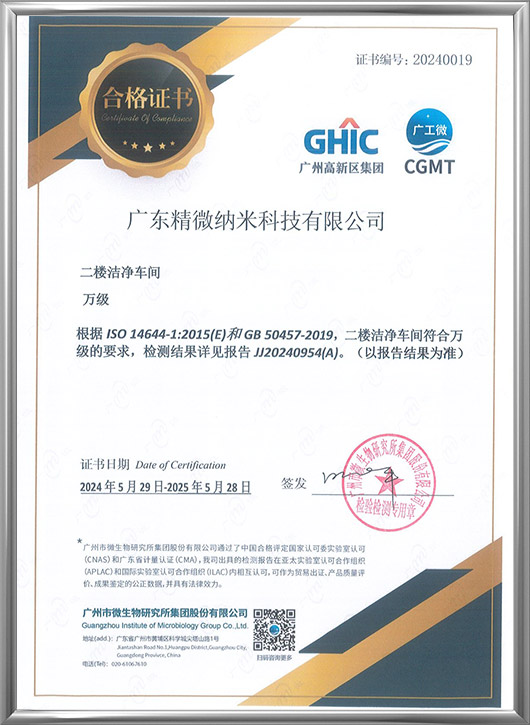
Class 10,000 cleanroom certification
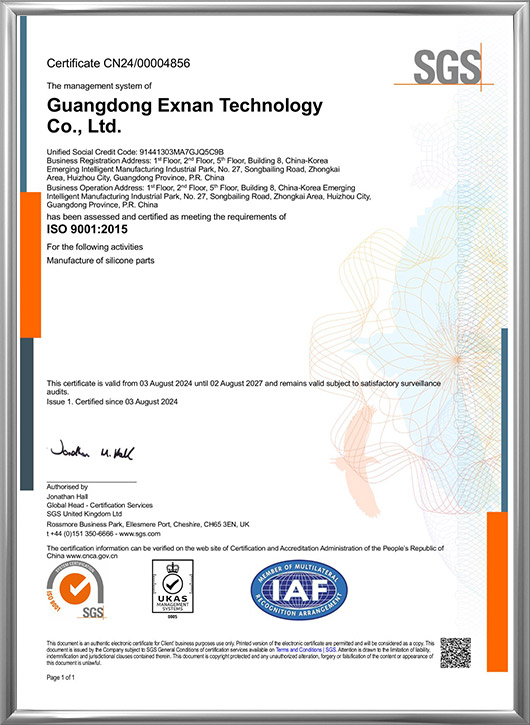
ISO 9001:2015
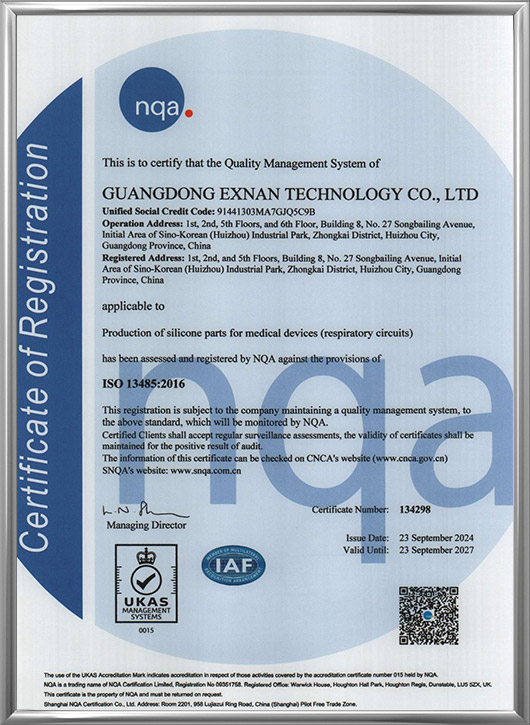
ISO 13485:2016
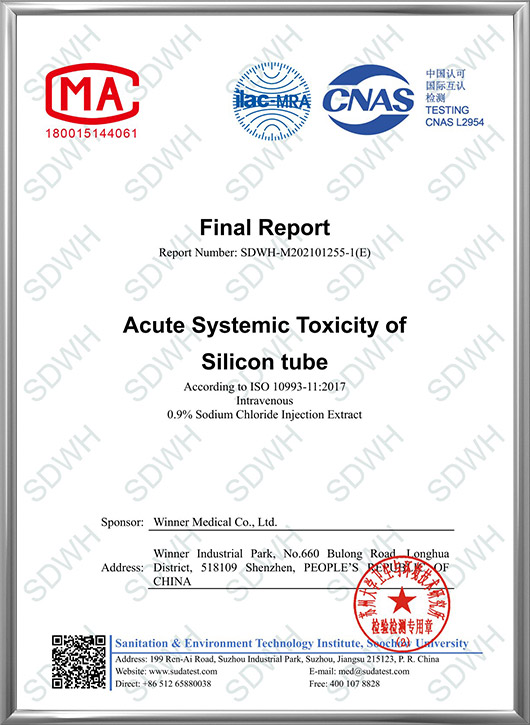
ISO 10993-11:2017 Tail vein injection
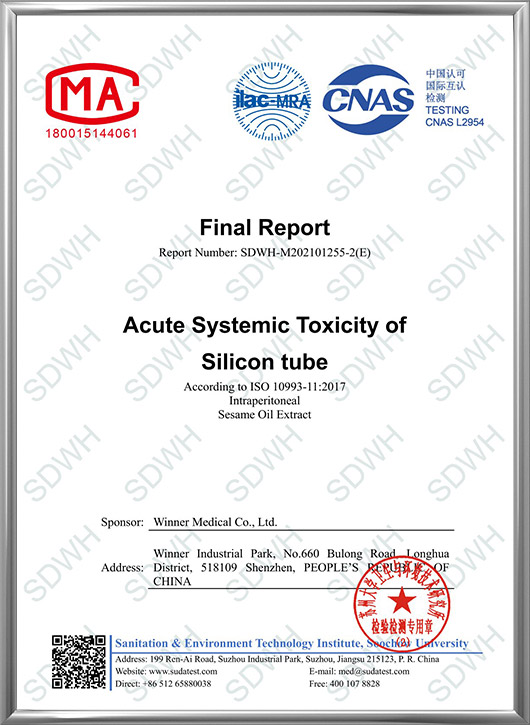
ISO 10993-11:2017 Intraperitoneal injection
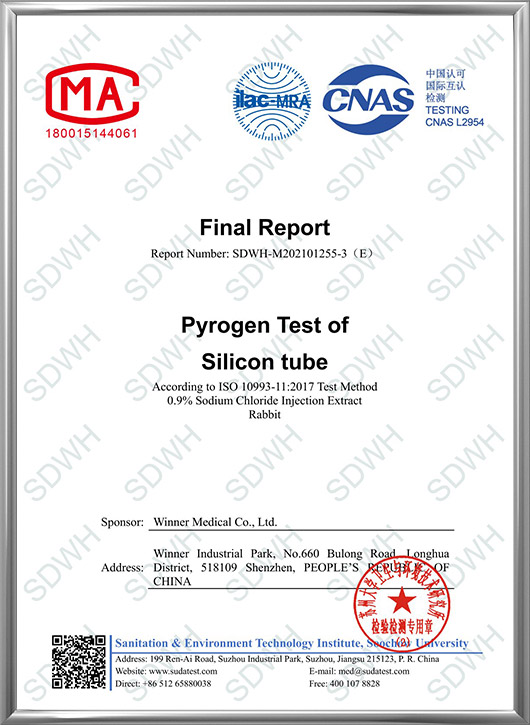
ISO 10993-11:2017 Pyrogens
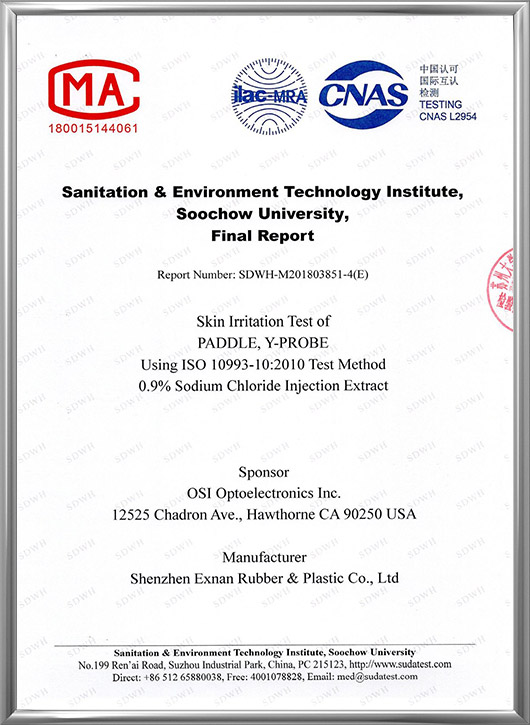
Skin irritation test for extract of 0.9% sodium chloride injection
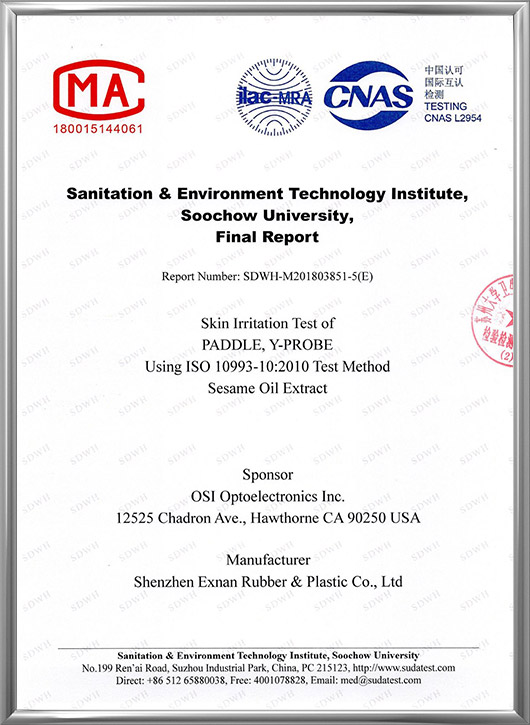
Skin irritation test for sesame oil extraction
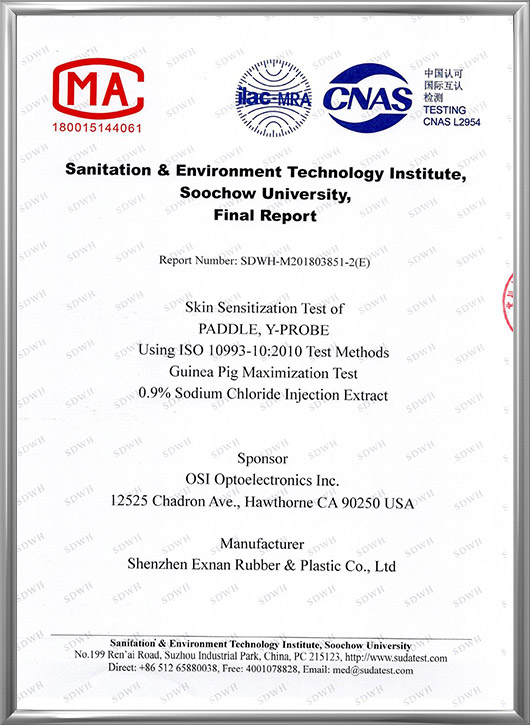
Skin sensitization test in guinea pigs using the maximization method with 0.9% sodium chloride injec
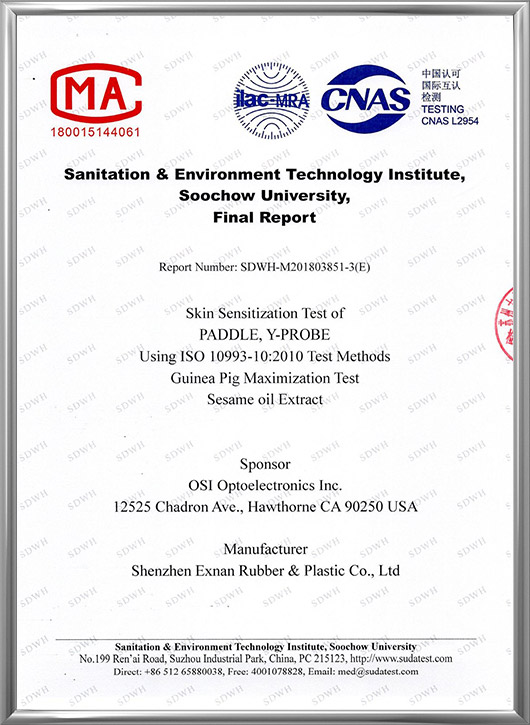
Skin sensitization test in guinea pigs:maximization method with sesame oil extraction
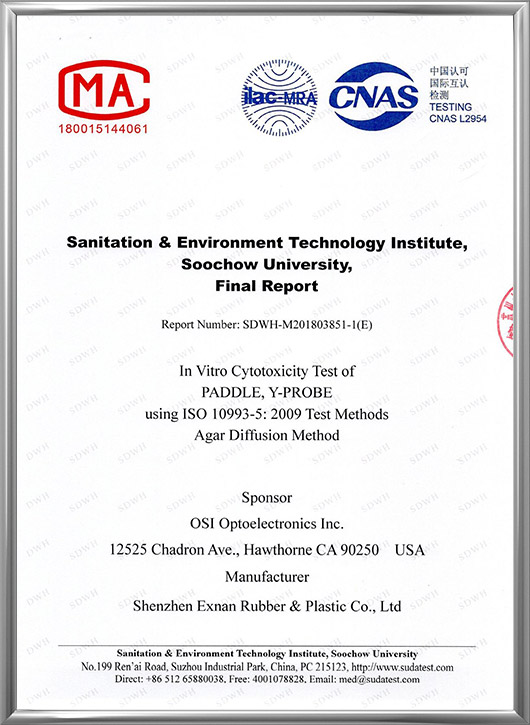
Cell toxicity test:agar diffusion method
Cooperating customers
Till now, Exnan products has been exports 35 countries, and more than 500 Medical equipment factory, health care companies, hospitals, clinics use our products, and win good reputation.












New
Our silicone accessories meet international medical standards through strict quality control.
Ensure patient safety with our premium products. Explore our catalog today!
News
Our silicone accessories meet international medical standards through strict quality control.
Ensure patient safety with our premium products. Explore our catalog today!
Ultra-Pure Silicone: Meeting ISO 10993 Standards for Implantable Devices
Time: 2025-03-21 10:12:41
Author: Guangdong Exnan Technology Co.,Ltd
Click:
In the world of medical devices, biocompatibility is not just a buzzword—it's a lifeline. When it comes to implantable devices, the materials used must meet the highest standards to ensure patient safety and device performance.
Introduction
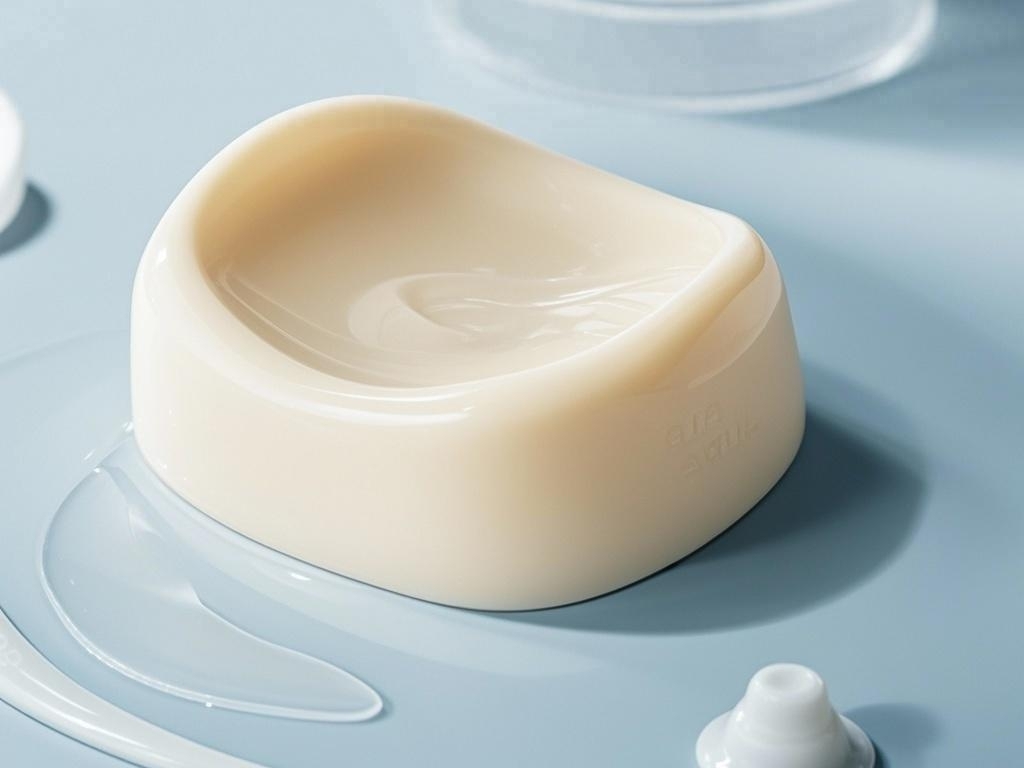
In the world of medical devices, biocompatibility is not just a buzzword—it's a lifeline. When it comes to implantable devices, the materials used must meet the highest standards to ensure patient safety and device performance. Enter ultra-pure silicone: a material that’s revolutionizing the industry by meeting ISO 10993 standards and offering unparalleled biocompatibility. But what exactly is ultra-pure silicone, and why is it so critical for medical devices? Let’s dive in and explore.
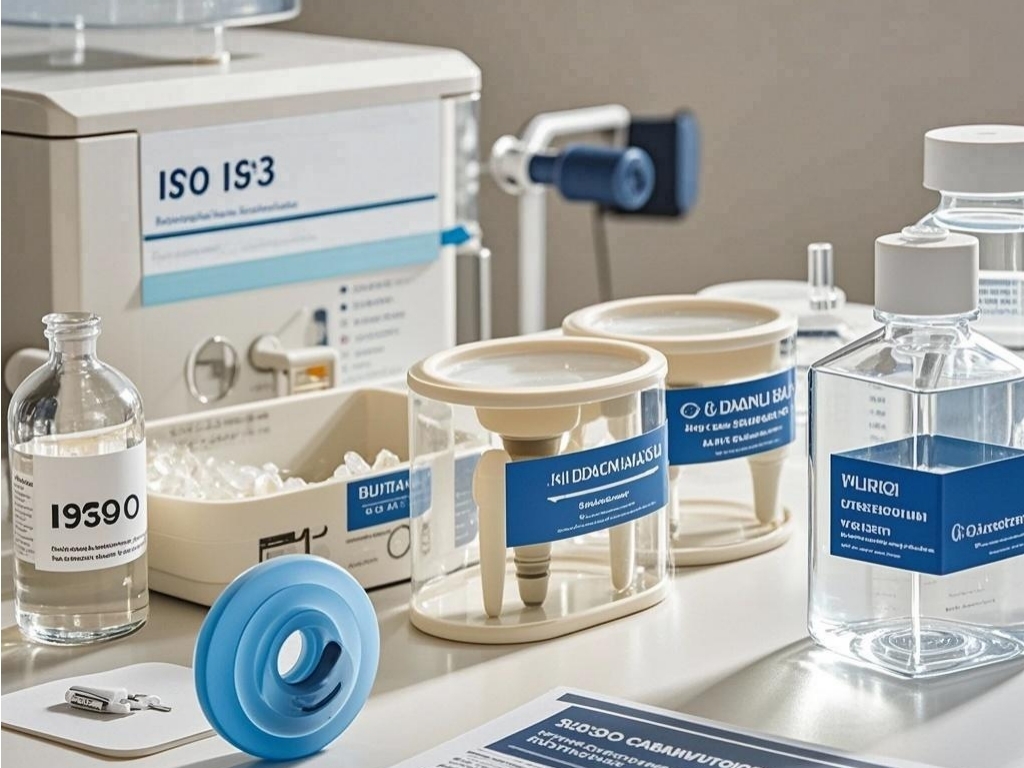
Understanding ISO 10993 Standards
Before we get into the nitty-gritty of ultra-pure silicone, let’s break down ISO 10993. These are the gold-standard biocompatibility guidelines set by the International Organization for Standardization (ISO) for medical devices. The goal? To ensure that materials used in medical devices are safe for human use.
ISO 10993 isn’t just one standard—it’s a series of standards, including:
- ISO 10993-1: The main standard that outlines general requirements for biocompatibility evaluation.
- ISO 10993-4: Tests for cytotoxicity (how the material affects cells).
- ISO 10993-5: Tests for immunotoxicity (how the material affects the immune system).
- And more!
These standards ensure that materials like ultra-pure silicone don’t cause adverse reactions in the human body. But how does ultra-pure silicone stack up?
The Role of Ultra-Pure Silicone
Ultra-pure silicone isn’t just another material—it’s a game-changer. Here’s why:
What is Ultra-Pure Silicone?
Ultra-pure silicone is a high-purity silicone elastomer designed specifically for medical applications. Unlike standard silicone, ultra-pure silicone undergoes rigorous purification and quality control processes to ensure minimal extractables and leachables. This makes it ideal for implantable devices where biocompatibility is critical.
Manufacturing Process
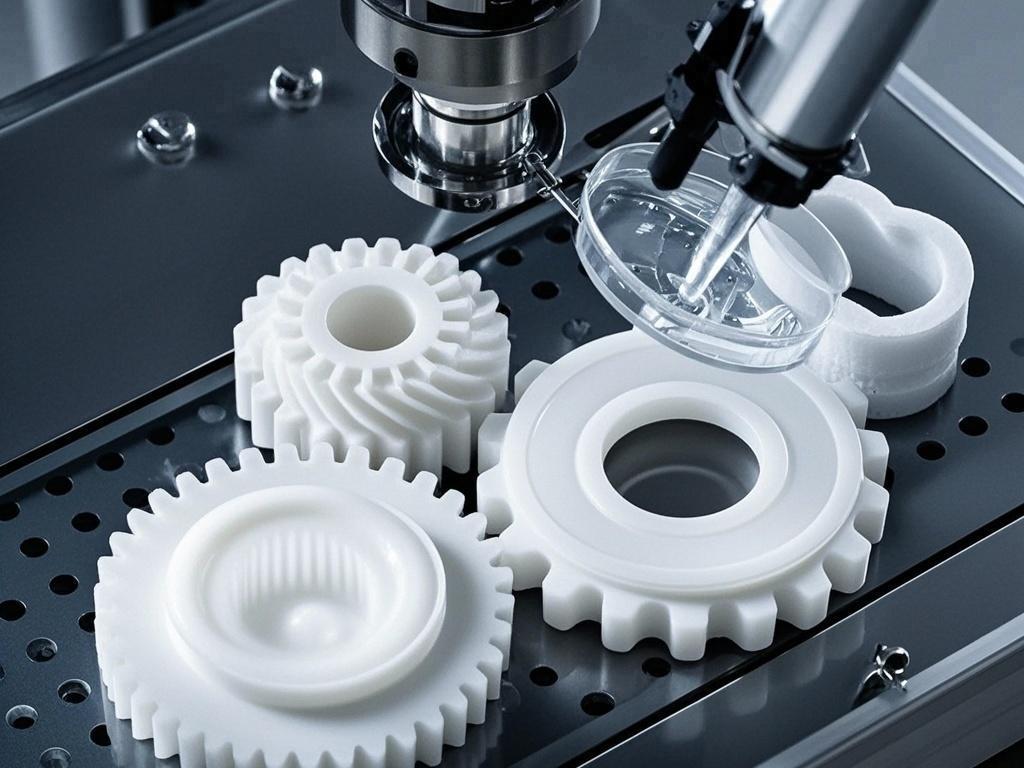
The manufacturing process for ultra-pure silicone is nothing short of meticulous. It involves:
- Higher Purity: Raw materials are carefully selected and purified to ensure minimal impurities.
- Advanced Quality Control: State-of-the-art testing ensures the material meets ISO 10993 standards.
- Specialized Curing Methods: Techniques like platinum-catalyzed curing are used to enhance stability and biocompatibility.
Advantages Over Regular Silicone
Why go for ultra-pure silicone? Here’s why:
- Enhanced Biocompatibility: Reduced risk of immune responses or adverse reactions.
- Durability: Withstands the rigors of implantation and long-term use.
- Flexibility: Mimics the feel of human tissue, making it ideal for medical devices.
Meeting ISO 10993 Standards
Now, let’s get into how ultra-pure silicone meets ISO 10993 standards. Compliance with these standards is non-negotiable for medical device manufacturers, and ultra-pure silicone delivers.
Compliance with Key Standards
- ISO 10993-1: Ultra-pure silicone meets all general biocompatibility requirements.
- ISO 10993-4: Tested for cytotoxicity, ultra-pure silicone shows minimal cell toxicity.
- ISO 10993-5: Immunotoxicity tests confirm that ultra-pure silicone doesn’t trigger immune responses.
How Does It Work?
The key lies in the material’s purity. By minimizing extractables and leachables, ultra-pure silicone ensures that the body doesn’t react adversely. This makes it a safe choice for implantable devices like catheters, sensors, and prosthetics.
Benefits of Ultra-Pure Silicone
Why should medical device manufacturers switch to ultra-pure silicone? Let’s explore the benefits:
1. Enhanced Biocompatibility
Ultra-pure silicone reduces the risk of adverse reactions, making it ideal for long-term implantable devices.
2. Durability and Flexibility
The material’s durability ensures that devices can withstand repeated use, while its flexibility makes it suitable for a wide range of applications.
3. Cost-Effectiveness
While the initial investment may seem higher, the long-term performance and reduced risk of complications make ultra-pure silicone a cost-effective choice.
Applications in Medical Devices
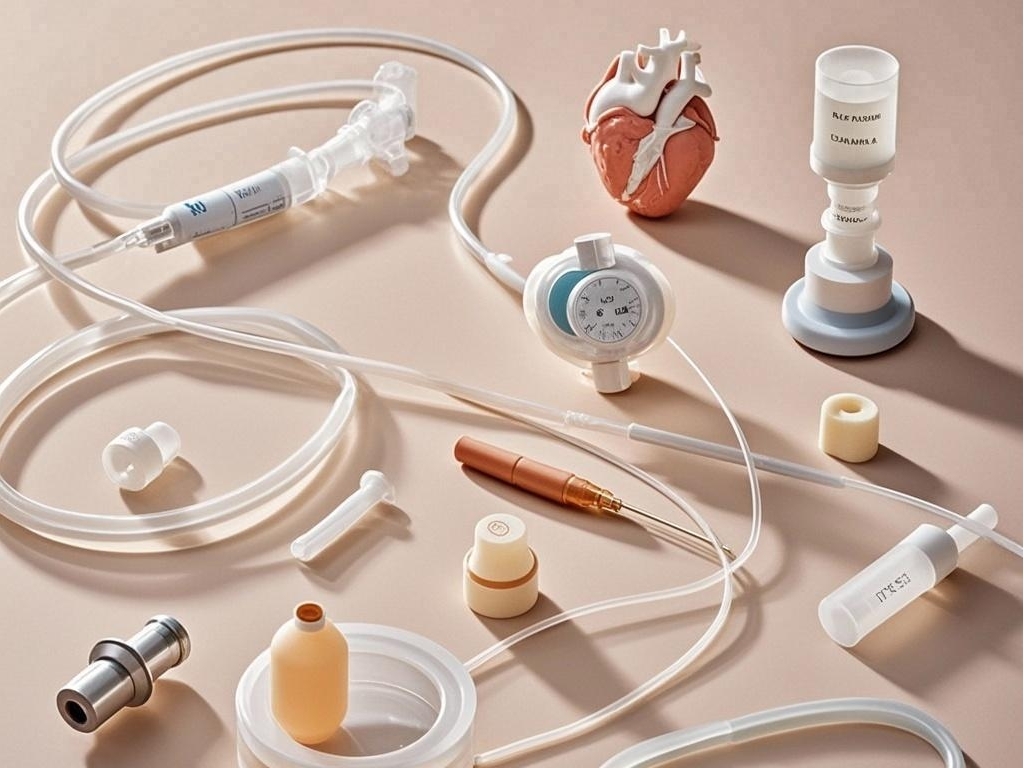
Ultra-pure silicone isn’t just for one type of device—it’s versatile. Here are some examples:
- Catheters: Ultra-pure silicone’s flexibility and biocompatibility make it ideal for catheters.
- Implants: From prosthetics to pacemaker housings, ultra-pure silicone ensures safety and durability.
- Sensors: Its flexibility and durability make it perfect for implantable sensors.
Case Studies
For instance, a leading medical device manufacturer switched to ultra-pure silicone for their implantable sensors, reducing adverse reactions by 30%. This isn’t just a material—it’s a solution.
Challenges in Manufacturing and Compliance
While ultra-pure silicone offers numerous benefits, manufacturing it to meet ISO 10993 standards isn’t without challenges. For one, achieving the high purity required demands advanced manufacturing techniques and rigorous quality control. Additionally, ensuring consistent compliance across batches can be tricky.
But with the right expertise, these challenges can be overcome. Companies like EXNAN specialize in ultra-pure silicone solutions, offering custom manufacturing and testing to meet ISO 10993 standards.
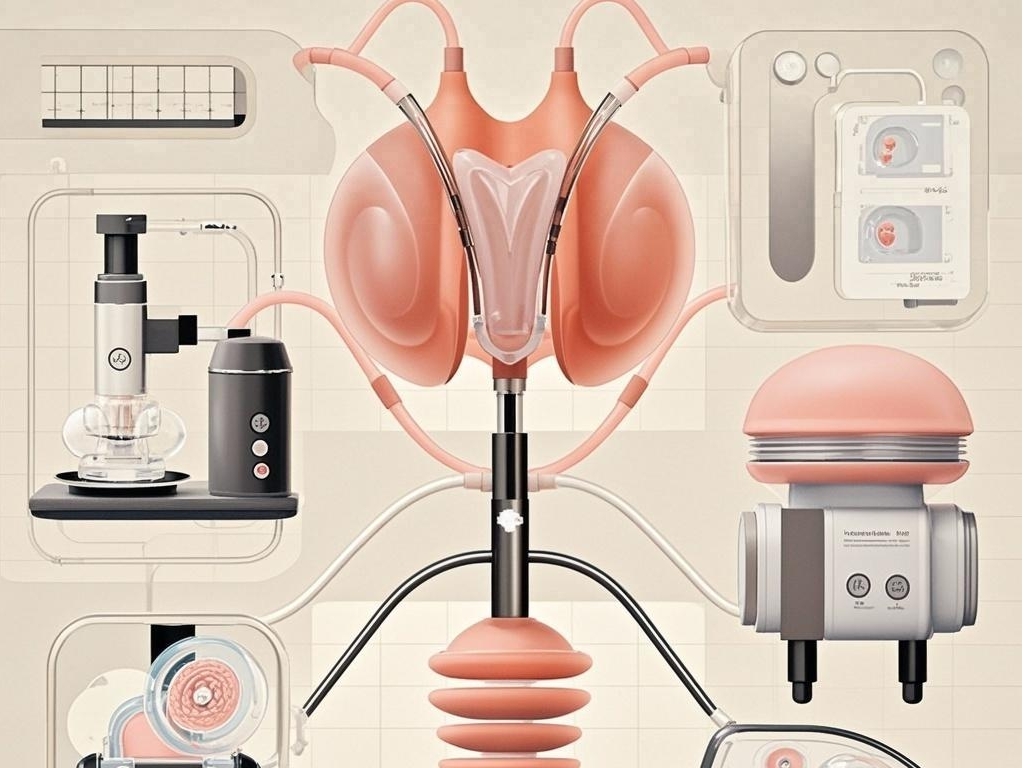
The Future of Ultra-Pure Silicone
The future of medical devices is bright, and ultra-pure silicone is at the forefront. Innovations in material science are making ultra-pure silicone even more versatile and biocompatible. Plus, with the rise of personalized medicine, ultra-pure silicone’s flexibility and durability are more relevant than ever.
Conclusion
In the world of medical devices, biocompatibility is everything. Ultra-pure silicone, with its ability to meet ISO 10993 standards and offer enhanced biocompatibility, is the go-to material for implantable devices. Whether you’re manufacturing catheters, implants, or sensors, ultra-pure silicone ensures safety, durability, and performance.
If you’re looking for a reliable partner in ultra-pure silicone solutions, look no further than EXNAN. With years of experience and a commitment to quality, we’re here to help you meet ISO 10993 standards and deliver safe, effective medical devices.
Contact us today to learn more about our ultra-pure silicone solutions and how we can help you meet ISO 10993 standards for your implantable devices.
External Links and Literature
- ISO 10993 Standards Overview
- EXNAN’s Ultra-Pure Silicone Solutions
- Case Study: Ultra-Pure Silicone in Implantable Sensors
Charts and Graphs
- Infographic: "ISO 10993 Standards Explained"
- Diagram: "Manufacturing Process of Ultra-Pure Silicone"
- Comparison Chart: "Ultra-Pure Silicone vs. Regular Silicone"

点击右上角
分享给朋友吧







 Long by picture save/share
0
Prev : Ultra-Pure Silicone: Meeting ISO 10993 Standards for Implantable Devices
Next : Why Medical Device Engineers Are Switching to LSR for Critical Parts
文章推荐
Silicone Parts Fail After Sterilization: 5 Proven Fixes
Medical Silicone vs. TPE/TPU: Why Is Silicone Still the Preferred Material for Medical Consumables?
Medical Silicone Mold Design: The First Gateway to Product Precision
New Requirements of ISO13485:2016 for Medical Silicone Suppliers
Medical Silicone Consumables Market Sees New Growth: Respiratory Equipment Drives Demand for Precision Components
Related news recommendations —
Related Products —




News Products —
INQUIRY


Add Successfully

Hey there, I’m Steve!
15+ years in medical silicone accessories, linking manufacturers and healthcare providers for compliant, high-quality products. Trusted advisor focused on innovation and patient care. If you are looking for custom-made silicone rubber products, feel free to ask me any questions.
Hey there, I’m Steve!
15+ years in medical silicone accessories, linking manufacturers and healthcare providers for compliant, high-quality products. Trusted advisor focused on innovation and patient care. If you are looking for custom-made silicone rubber products, feel free to ask me any questions.
Welcome to contact us
If you have any questions, please fill in the relevant information. Weare very willing to provide more information and a full range ofservices for both you and your company
Welcome to contact us
If you have any questions, please fill in the relevant information. Weare very willing to provide more information and a full range ofservices for both you and your company
EXNAN
点击右上角
分享给朋友吧
Copyright © 2004-2024 Guangdong Exnan Technology Co.,Ltd
点击右上角
分享给朋友吧
Copyright © 2004-2024 Guangdong Exnan Technology Co.,Ltd

 +86-0752-3869959 / 3869960
 +86 180 0752 8206
 Building 8, China-Korea Emerging Intelligent Manufacturing Industrial Park, No.27, Songbailing Road, China-Korea (Huizhou) Industrial Park, Zhongkai Area, Huizhou City, Guangdong Province, China

WeChat scan
