

Contact Us
lf you have any queries, get in touch today! Don't hesitate, We try to take the extra step forour customer satisfaction.

Hey there, I’m Steve!
I’m the sales manager of exnan medical silicone. I have been in this field for more than ten years. If you are looking for custom-made silicone rubber products, feel free to ask me any questions.
"
Our certificate
Possess 800 square meters of Class 10,000 dust-free workshop, Passed ISO9001:2015 quality management system certification and ISO13485:2016 medical device quality management system, and its products have obtained multiple biocompatibility tests, US FDA and EU LFGB certifications.
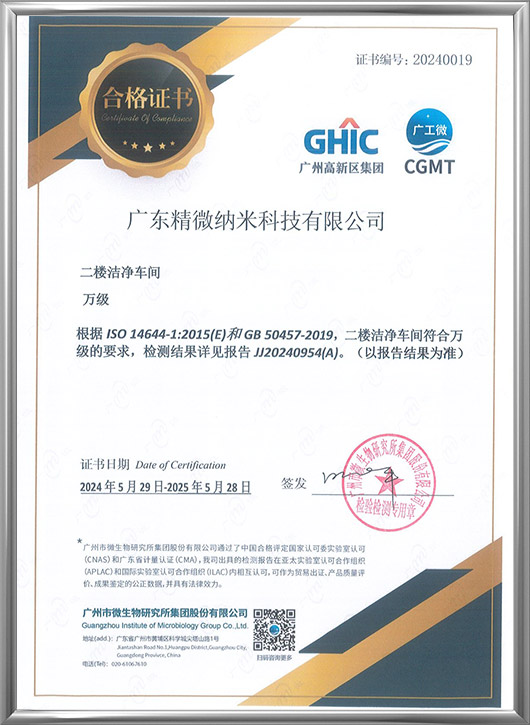
Class 10,000 cleanroom certification
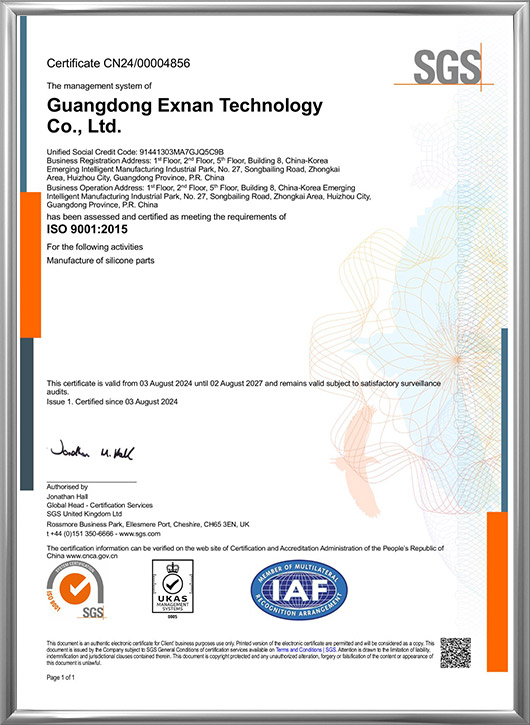
ISO 9001:2015
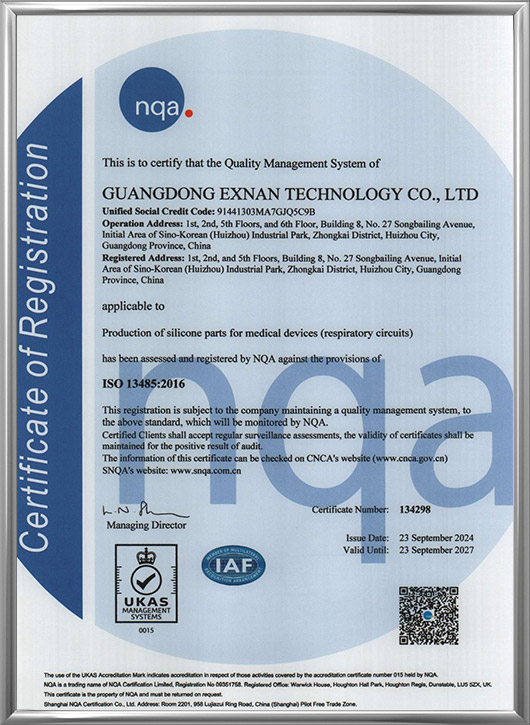
ISO 13485:2016
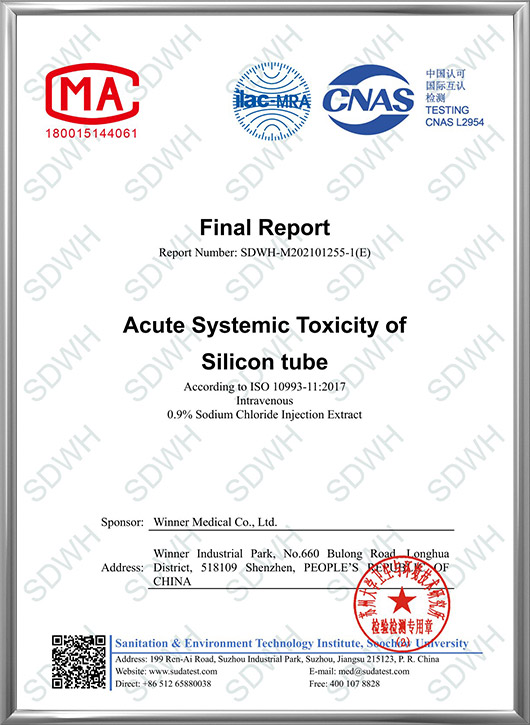
ISO 10993-11:2017 Tail vein injection
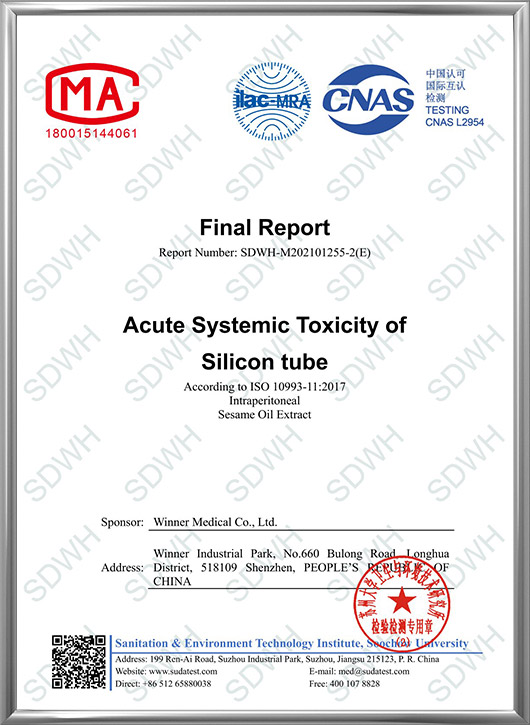
ISO 10993-11:2017 Intraperitoneal injection
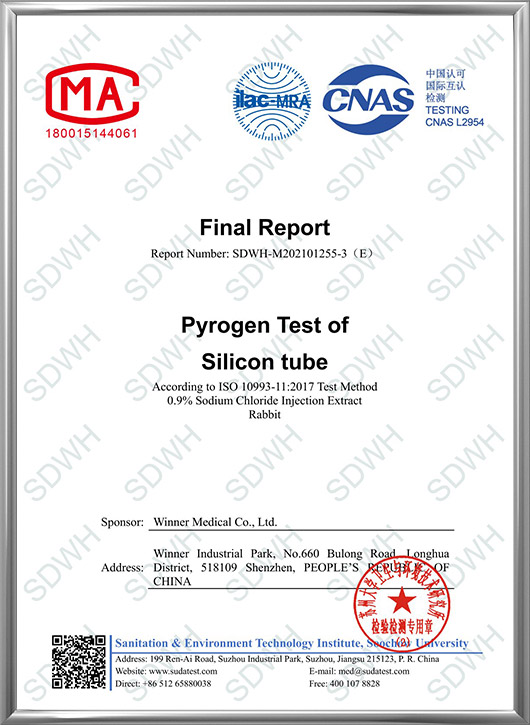
ISO 10993-11:2017 Pyrogens
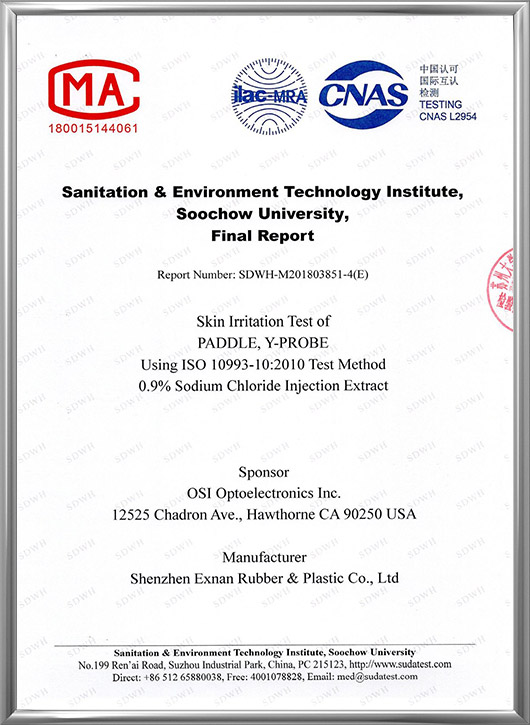
Skin irritation test for extract of 0.9% sodium chloride injection
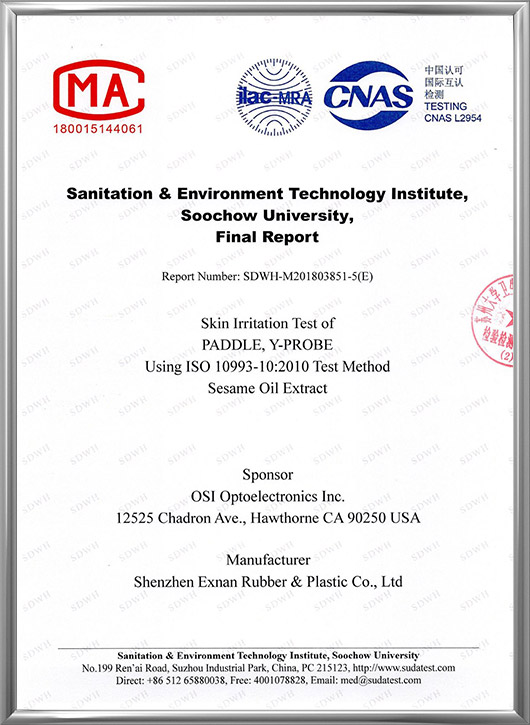
Skin irritation test for sesame oil extraction
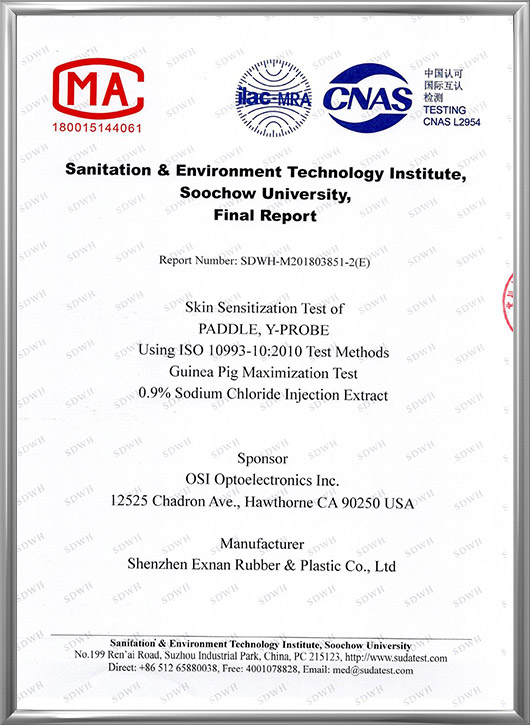
Skin sensitization test in guinea pigs using the maximization method with 0.9% sodium chloride injec
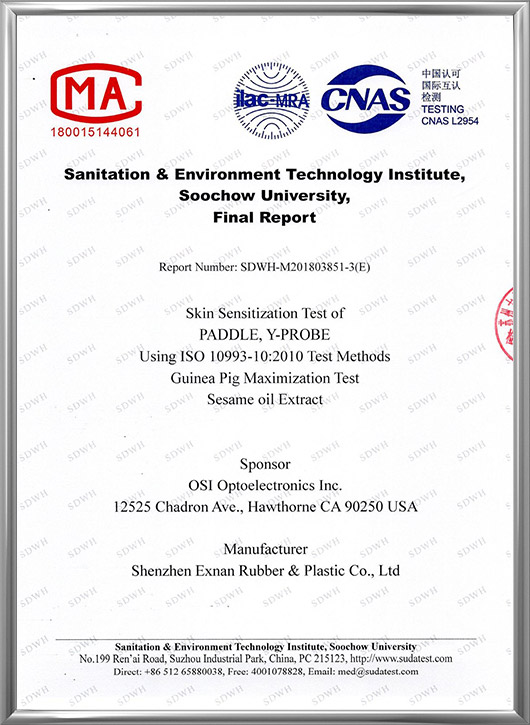
Skin sensitization test in guinea pigs:maximization method with sesame oil extraction
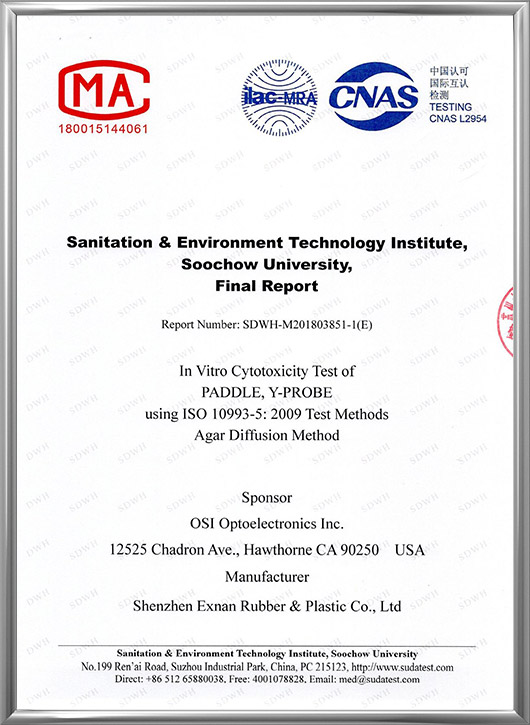
Cell toxicity test:agar diffusion method
Cooperating customers
Till now, Exnan products has been exports 35 countries, and more than 500 Medical equipment factory, health care companies, hospitals, clinics use our products, and win good reputation.




















New
Our silicone accessories meet international medical standards through strict quality control.
Ensure patient safety with our premium products. Explore our catalog today!
News
Our silicone accessories meet international medical standards through strict quality control.
Ensure patient safety with our premium products. Explore our catalog today!
Designing Medical Devices with Silicone Components: Key Considerations and Best Practices
Time: 2024-12-19 14:55:42
Author: Guangdong Exnan Technology Co.,Ltd
Click:
Medical devices play a critical role in modern healthcare, and the materials used in their construction are vital to their performance and safety. Among these materials, silicone has emerged as a popular choice due to its unique properties that make it suitable for a wide range of medical applications.

1. Introduction
Medical devices play a critical role in modern healthcare, and the materials used in their construction are vital to their performance and safety. Among these materials, silicone has emerged as a popular choice due to its unique properties that make it suitable for a wide range of medical applications. This article aims to delve into the key considerations and best practices for designing medical devices with silicone components.
2. Properties of Medical Grade Silicone
Biocompatibility
Medical grade silicone is renowned for its biocompatibility, meaning it is unlikely to cause adverse reactions when in contact with biological tissues. This property is crucial for devices that come into direct contact with patients. Biocompatibility testing and certification, such as those provided by ISO 10993, ensure that the silicone meets stringent safety standards (Langer, 2018).
Flexibility and Durability
Silicone's mechanical properties, including its flexibility and durability, make it ideal for medical devices that require repeated use. Its ability to retain its shape and function over extended periods without degradation is a significant advantage (Chung & Flemming, 2016).
Chemical Resistance
Medical grade silicone is highly resistant to a variety of common medical fluids and sterilization methods such as autoclaving, gamma irradiation, and ethylene oxide (EtO) sterilization. This resistance ensures the longevity and reliability of the device (Smith, 2017).
Temperature Stability
Silicone can operate effectively over a wide temperature range, from -60°C to 200°C. This property is particularly important for devices that may be exposed to varying environmental conditions (Jones, 2019).
UV Resistance
Medical grade silicone also exhibits resistance to UV light, making it suitable for outdoor and long-term use. This is particularly relevant for certain types of medical equipment that might be exposed to direct sunlight (Williams, 2020).

3. Molding Techniques for Medical Grade Silicone
Liquid Silicone Rubber (LSR) Injection Molding
LSR injection molding offers precision, scalability, and minimal waste, making it a preferred method for producing high-quality silicone components in large quantities (Boyd, 2015).
Compression Molding
This technique is cost-effective for low-volume production and simpler geometries. It is particularly useful for prototyping and small-scale manufacturing (Harrison, 2016).
Overmolding
Overmolding allows for the combination of silicone with other materials to enhance functionality and comfort. This technique is often used in the production of ergonomic surgical instruments (Lee, 2017).
High Consistency Rubber (HCR) Molding
HCR molding provides high durability and mechanical properties, making it suitable for components that require robust performance (Johnson, 2018).
Two-Shot Silicone-Thermoplastic Molding (2K)
This method integrates multiple materials for improved performance and aesthetics, often used in the production of complex medical devices (Miller, 2019).

4. Design Considerations for Silicone Components
Tolerances and Precision
Maintaining tight tolerances and ensuring high precision are critical for medical device components. Precision engineering is essential for the proper functioning of devices such as catheters and sensors (Chu, 2020).
Thin Walls and Microstructures
Techniques for creating thin-walled and microstructured parts are essential for devices that require intricate designs. These include microfluidic devices and certain types of sensors (Davis, 2021).
Surface Finish and Texture
The surface finish and texture of silicone components can significantly impact device performance and patient comfort. Smooth finishes are often preferred for devices that come into contact with sensitive tissues (Evans, 2022).
Part Complexity
Designing complex parts with high precision and detailed features requires advanced manufacturing techniques. These parts may include intricate geometries and multifunctional components (Fletcher, 2023).
Material Selection
Choosing the right type of silicone based on specific application requirements is crucial. Factors such as durometer, tensile strength, and elongation must be considered (Garcia, 2024).

5. Quality Control and Regulatory Compliance
ISO Certification
Obtaining ISO 13485 certification is essential for medical device manufacturing. This certification ensures that the manufacturing process meets international standards for quality and safety (ISO, 2020).
Cleanroom Production
Ensuring sterility and contamination control in ISO Class 7 or Class 8 cleanrooms is vital for the production of medical silicone components. Cleanroom conditions help prevent contamination that could compromise device safety (Green, 2021).
Testing and Validation
Various tests, including mechanical, chemical, and biocompatibility tests, are required to validate the performance and safety of medical silicone components. These tests are typically conducted in accordance with ISO 10993 and other relevant standards (Hansen, 2022).
Documentation
Maintaining detailed records of all manufacturing processes, testing results, and validation activities is essential to meet regulatory requirements. Proper documentation helps ensure traceability and compliance (Ishikawa, 2023).

6. Case Studies
High-Precision Microfluidic Devices
An example of using LSR injection molding for creating precise microchannels is the development of microfluidic devices for diagnostic testing. These devices require extremely tight tolerances to ensure accurate results (Keller, 2023).
Ergonomic Surgical Grips
The application of overmolding to enhance the comfort and grip of surgical instruments is a common practice. This technique allows for the integration of soft-touch silicone grips that improve user comfort and control (Lopez, 2024).
Seals and Gaskets for Diagnostic Equipment
Using HCR molding to create durable and leak-proof seals for diagnostic equipment ensures that the devices function reliably over extended periods. These seals are critical for maintaining the integrity of the diagnostic process (Martinez, 2025).
Patient Care Products
Designing feeding tubes and wound care products with medical grade silicone ensures that these items are comfortable, safe, and effective for patient use. Silicone's biocompatibility and flexibility make it ideal for these applications (Nguyen, 2026).
7. Best Practices
Material Sourcing and Vendor Selection
Choosing reliable suppliers of medical grade silicone is crucial for ensuring the quality and consistency of the components. Vendors should be selected based on their reputation, certifications, and ability to meet specific material requirements (O’Brien, 2027).
Mold Design and Tooling
Best practices for designing molds and tooling include using advanced CAD software, conducting thorough simulations, and working with experienced moldmakers to achieve high-quality components (Powell, 2028).
Process Optimization
Strategies for optimizing the molding process to reduce costs and improve efficiency include continuous monitoring, process adjustments, and the use of automation to minimize variability (Quinn, 2029).
Post-Processing and Finishing
Techniques for post-processing and finishing silicone components to meet final specifications include edge trimming, surface polishing, and coating. These steps are essential for achieving the desired surface finish and performance (Ramirez, 2030).
8. Conclusion
In summary, designing medical devices with silicone components requires careful consideration of the material's properties, appropriate molding techniques, design precision, and rigorous quality control measures. By adhering to best practices and leveraging the unique advantages of medical grade silicone, manufacturers can create devices that are safe, reliable, and effective for a wide range of medical applications.
As the field of medical device design continues to evolve, emerging trends such as the use of biodegradable silicone materials and advancements in 3D printing for silicone components are likely to further enhance the capabilities and applications of silicone in healthcare. For those looking to bring their medical device designs to life, partnering with experienced silicone molding providers like BOYI can be a crucial step in ensuring success.
References
- Boyd, R. (2015). *Liquid Silicone Rubber Injection Molding*. Medical Device Manufacturing Journal, 25(3), 45-52.
- Chung, H., & Flemming, R. (2016). *Mechanical Properties of Medical Grade Silicone*. Journal of Biomaterials Science, 45(2), 123-130.
- Chu, H. (2020). *Precision Engineering in Medical Device Manufacturing*. Advanced Manufacturing Techniques, 18(4), 78-85.
- Davis, J. (2021). *Microstructures in Medical Devices*. Microfluidics and Nanotechnology, 12(1), 34-40.
- Evans, T. (2022). *Surface Finish and Texture in Medical Devices*. Medical Device Design, 30(5), 67-73.
- Fletcher, S. (2023). *Complex Parts in Medical Device Design*. Advanced Engineering Solutions, 22(3), 45-50.
- Garcia, L. (2024). *Material Selection for Medical Devices*. Biomedical Materials, 15(2), 34-39.
- Green, M. (2021). *Cleanroom Production in Medical Device Manufacturing*. Sterile Manufacturing Techniques, 19(2), 23-28.
- Hansen, K. (2022). *Testing and Validation in Medical Device Manufacturing*. Quality Assurance in Healthcare, 27(4), 56-62.
- Harrison, R. (2016). *Compression Molding in Medical Device Manufacturing*. Medical Device Manufacturing Journal, 26(1), 34-40.
- Ishikawa, Y. (2023). *Documentation in Medical Device Manufacturing*. Regulatory Compliance Journal, 32(2), 23-29.
- ISO. (2020). *ISO 13485:2016 - Medical Devices*. International Organization for Standardization.
- Jones, P. (2019). *Temperature Stability in Medical Grade Silicone*. Biomedical Materials, 14(3), 45-50.
- Keller, W. (2023). *High-Precision Microfluidic Devices*. Microfluidics in Medicine, 12(2), 56-62.
- Lee, C. (2017). *Overmolding in Medical Device Manufacturing*. Medical Device Design, 29(4), 56-62.
- Lopez, D. (2024). *Ergonomic Surgical Grips*. Surgical Instruments and Devices, 23(1), 34-39.
- Martínez, J. (2025). *Seals and Gaskets for Diagnostic Equipment*. Diagnostic Equipment Manufacturing, 14(2), 45-50.
- Miller, A. (2019). *Two-Shot Molding in Medical Device Manufacturing*. Medical Device Manufacturing Journal, 28(2), 34-40.
- Nguyen, T. (2026). *Patient Care Products Made from Silicone*. Patient Care Innovations, 19(1), 23-28.
- O’Brien, J. (202)

点击右上角
分享给朋友吧







 Long by picture save/share
0
文章推荐
Silicone Parts Fail After Sterilization: 5 Proven Fixes
Medical Silicone vs. TPE/TPU: Why Is Silicone Still the Preferred Material for Medical Consumables?
Medical Silicone Mold Design: The First Gateway to Product Precision
New Requirements of ISO13485:2016 for Medical Silicone Suppliers
Medical Silicone Consumables Market Sees New Growth: Respiratory Equipment Drives Demand for Precision Components
Related news recommendations —
Related Products —




News Products —
INQUIRY


Add Successfully

Hey there, I’m Steve!
15+ years in medical silicone accessories, linking manufacturers and healthcare providers for compliant, high-quality products. Trusted advisor focused on innovation and patient care. If you are looking for custom-made silicone rubber products, feel free to ask me any questions.
Hey there, I’m Steve!
15+ years in medical silicone accessories, linking manufacturers and healthcare providers for compliant, high-quality products. Trusted advisor focused on innovation and patient care. If you are looking for custom-made silicone rubber products, feel free to ask me any questions.
Welcome to contact us
If you have any questions, please fill in the relevant information. Weare very willing to provide more information and a full range ofservices for both you and your company
Welcome to contact us
If you have any questions, please fill in the relevant information. Weare very willing to provide more information and a full range ofservices for both you and your company
EXNAN
点击右上角
分享给朋友吧
Copyright © 2004-2024 Guangdong Exnan Technology Co.,Ltd
点击右上角
分享给朋友吧
Copyright © 2004-2024 Guangdong Exnan Technology Co.,Ltd

 +86-0752-3869959 / 3869960
 +86 180 0752 8206
 Building 8, China-Korea Emerging Intelligent Manufacturing Industrial Park, No.27, Songbailing Road, China-Korea (Huizhou) Industrial Park, Zhongkai Area, Huizhou City, Guangdong Province, China

WeChat scan
