

Contact Us
lf you have any queries, get in touch today! Don't hesitate, We try to take the extra step forour customer satisfaction.

Hey there, I’m Steve!
I’m the sales manager of exnan medical silicone. I have been in this field for more than ten years. If you are looking for custom-made silicone rubber products, feel free to ask me any questions.
"
Our certificate
Possess 800 square meters of Class 10,000 dust-free workshop, Passed ISO9001:2015 quality management system certification and ISO13485:2016 medical device quality management system, and its products have obtained multiple biocompatibility tests, US FDA and EU LFGB certifications.
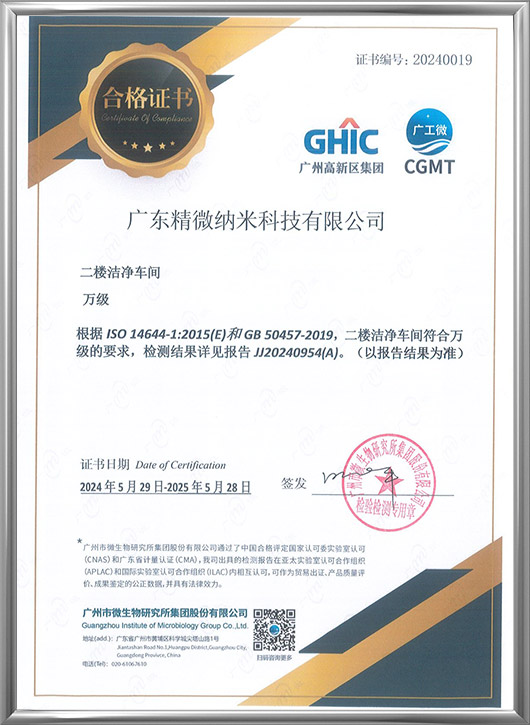
Class 10,000 cleanroom certification
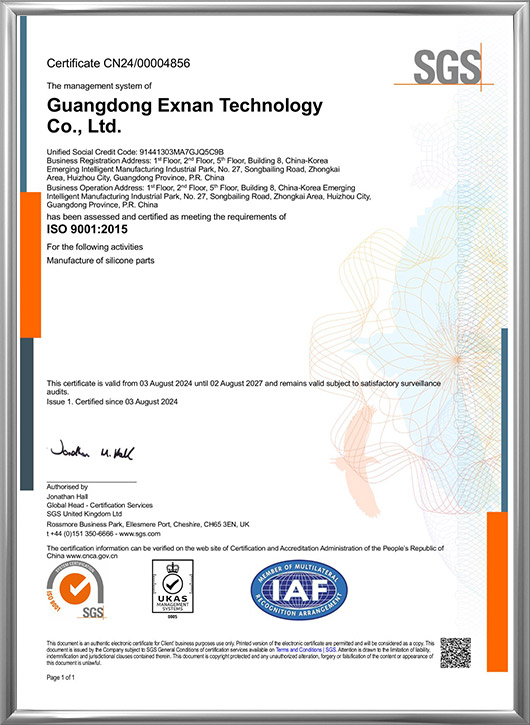
ISO 9001:2015
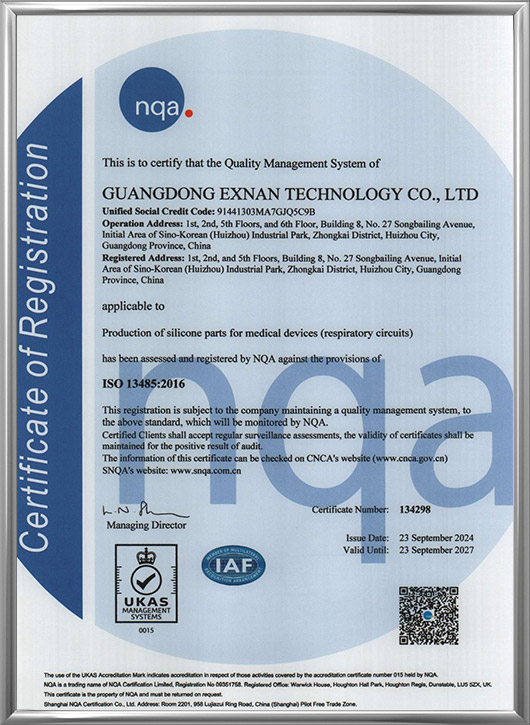
ISO 13485:2016
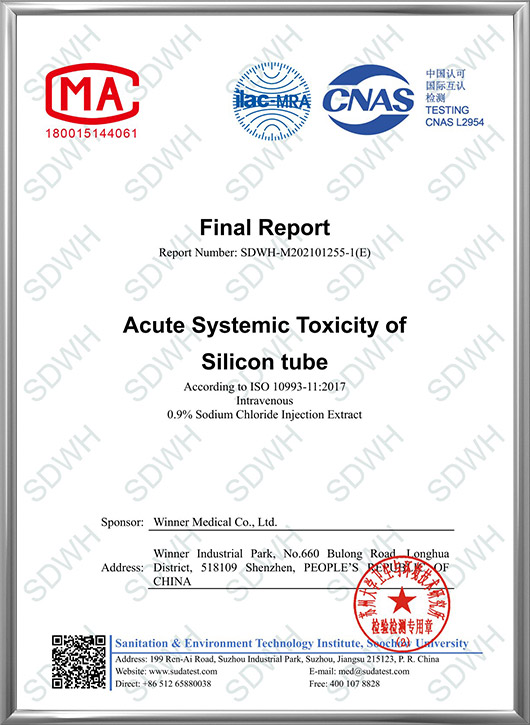
ISO 10993-11:2017 Tail vein injection
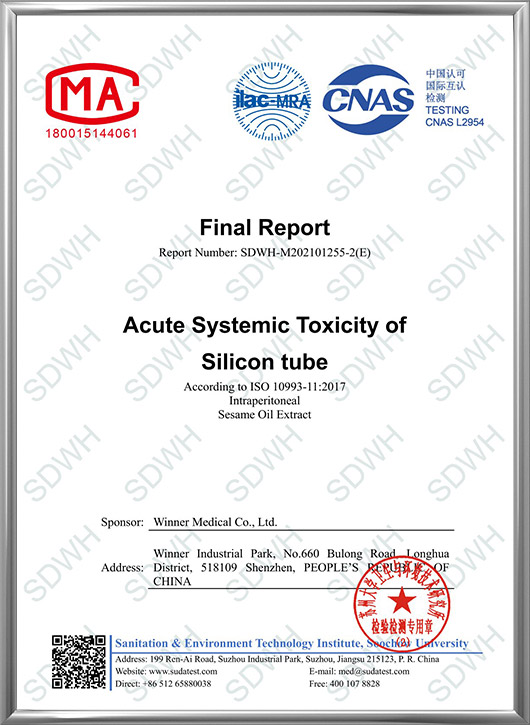
ISO 10993-11:2017 Intraperitoneal injection
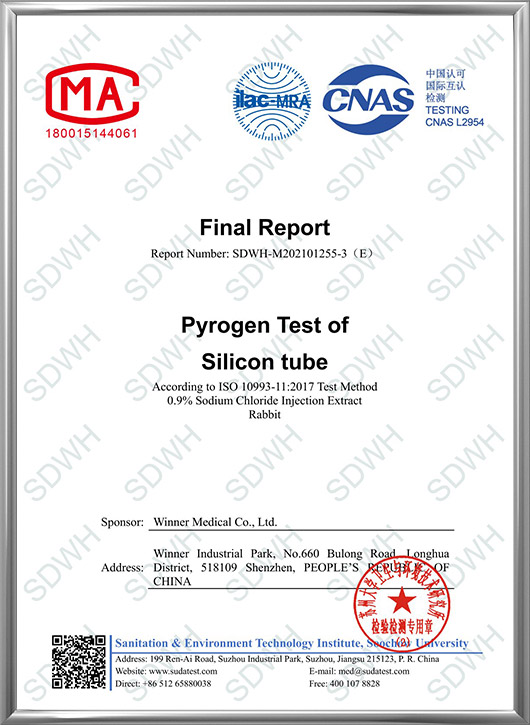
ISO 10993-11:2017 Pyrogens
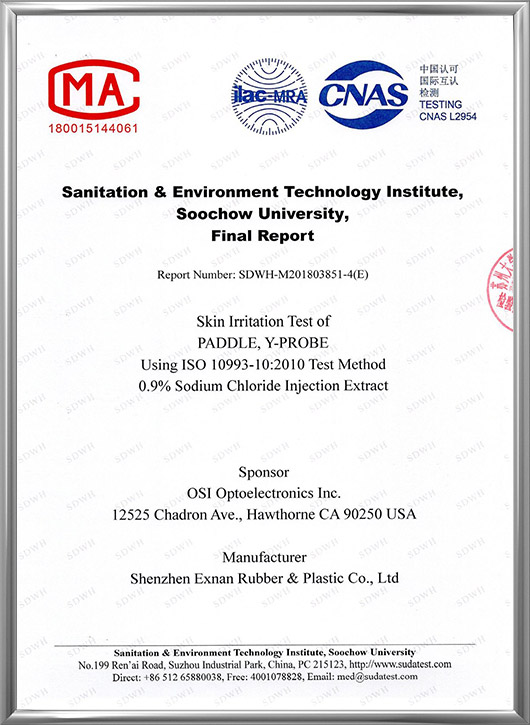
Skin irritation test for extract of 0.9% sodium chloride injection
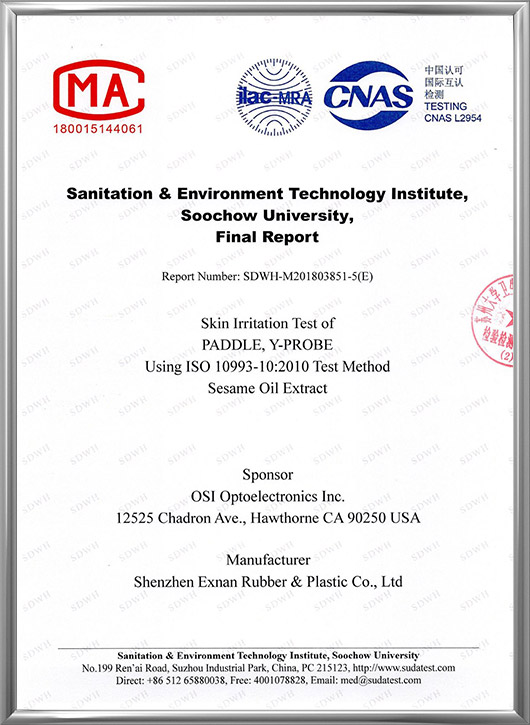
Skin irritation test for sesame oil extraction
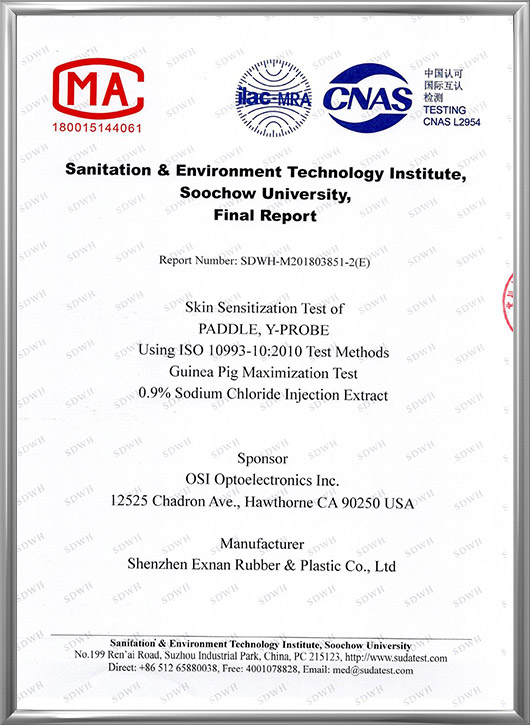
Skin sensitization test in guinea pigs using the maximization method with 0.9% sodium chloride injec
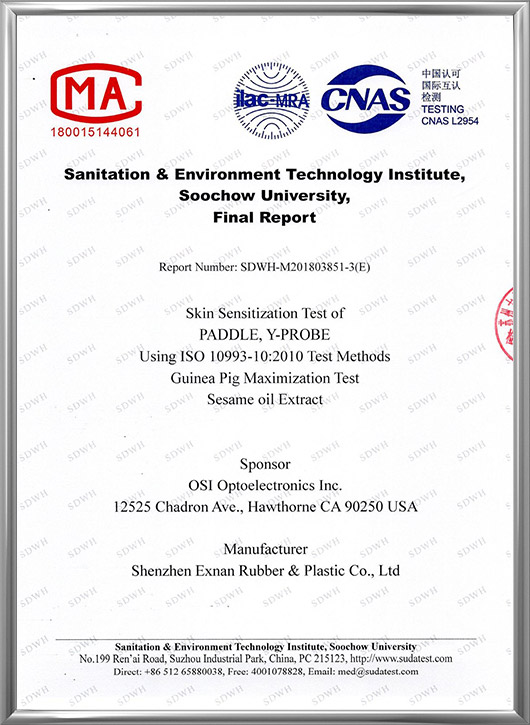
Skin sensitization test in guinea pigs:maximization method with sesame oil extraction
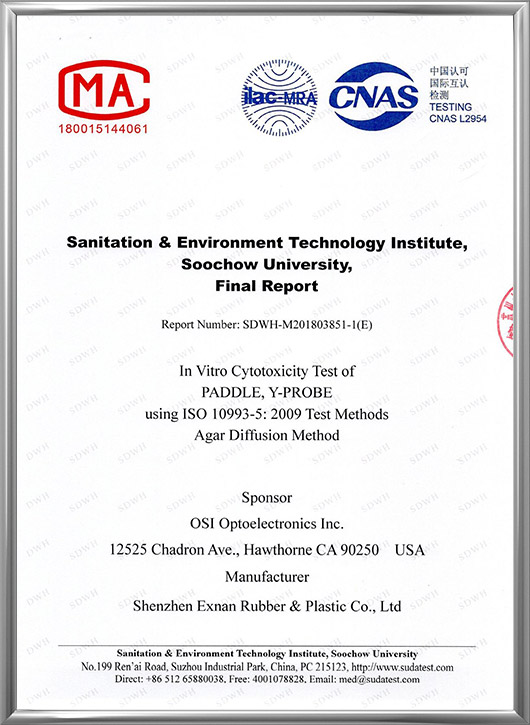
Cell toxicity test:agar diffusion method
Cooperating customers
Till now, Exnan products has been exports 35 countries, and more than 500 Medical equipment factory, health care companies, hospitals, clinics use our products, and win good reputation.



















New
Our silicone accessories meet international medical standards through strict quality control.
Ensure patient safety with our premium products. Explore our catalog today!
News
Our silicone accessories meet international medical standards through strict quality control.
Ensure patient safety with our premium products. Explore our catalog today!
Biocompatible Silicone Parts for Medical Devices: Ensuring Safety and Enhancing Patient Care
Time: 2024-12-17 10:20:34
Author: Guangdong Exnan Technology Co.,Ltd
Click:
Hey there, let's dive into the world of biocompatible silicone parts and see how they play a crucial role in medical devices today.

Hey there, let's dive into the world of biocompatible silicone parts and see how they play a crucial role in medical devices today. These components are not just any ordinary materials; they are specifically designed to interact safely and effectively with the human body. From reducing infections to improving patient comfort, biocompatible silicone is a game-changer in the medical field.
Introduction
What Are Biocompatible Silicone Parts?
Biocompatible silicone parts are medical components made from silicone that have been rigorously tested to ensure they don't cause harmful reactions when they come into contact with biological tissues. These parts are essential in medical devices because they need to be safe, durable, and reliable. Think of them as the unsung heroes that keep medical devices functioning smoothly without causing any issues for the patient.
Why Are They Important?
The importance of biocompatible silicone parts can't be overstated. They help ensure that medical devices do their job without causing harm, which is crucial for patient safety and overall care. Whether it's a small component in a pacemaker or a large part of a breathing mask, these parts need to be biocompatible to prevent complications like infections, allergic reactions, and other adverse events.

Regulatory Standards
FDA and ISO Standards
Before any biocompatible silicone part can be used in a medical device, it has to meet stringent regulatory standards. In the United States, the Food and Drug Administration (FDA) sets the guidelines, while globally, the International Organization for Standardization (ISO) has a set of standards, particularly ISO 10993-1-2018, which covers biocompatibility testing. These standards ensure that every part is safe and suitable for its intended medical use.
Key Applications of Biocompatible Silicone Parts
Intravenous Infusion Systems
One of the most critical applications of biocompatible silicone is in intravenous (IV) infusion systems. Needleless valves, for example, are a game-changer in reducing infections and needlestick injuries. They allow healthcare providers to access IV lines without the need for needles, making the process safer for everyone involved.
Another cool application is silicone septums in implanted ports used for cancer treatment. These septums are designed to withstand multiple punctures without degrading, ensuring a long-lasting and reliable access point for chemotherapy.
| Application | Function | Benefit |
| Needleless Valves | Access IV lines without needles | Reduces infections and injuries |
| Silicone Septums | Puncture-resistant access point | Long-lasting and reliable |

Medical Tubing
Silicone is a popular choice for medical tubing, which is used in a variety of applications, including catheters, IV lines, irrigation, draining, and respiratory applications. The material's biocompatibility, chemical inertness, flexibility, and ease of sterilization make it an ideal choice. Plus, it's relatively cost-effective to manufacture, which is a big plus for healthcare providers.
| Tubing Type | Application | Advantages |
| Catheters | Diagnostics and treatment | Flexible, biocompatible |
| IV Lines | Intravenous drug delivery | Chemically inert, easy to sterilize |
| Irrigation Tubing | Fluid delivery | Cost-effective, durable |
Breathing Masks
Breathing masks are another area where biocompatible silicone shines. These masks are used in non-invasive ventilation and intensive care units to help patients breathe more easily. The silicone material is soft and comfortable, reducing the risk of skin damage and increasing patient comfort.
Advancements in 3D printing have also opened up new possibilities for creating personalized and precision masks. This technology allows for custom-fit masks that can be tailored to individual patients, improving their overall experience and treatment outcomes.
| Mask Type | Application | Advantages |
| Non-Invasive Ventilation | Helping patients breathe | Patient comfort, reduced skin damage |
| 3D Printed Masks | Custom-fit for individual patients | Improved fit and adherence |

Stents
Silicon-based stents are used to maintain open pathways in the body, such as blood vessels. These stents are designed to be biocompatible and can even be drug-eluting, which means they release medication over time to prevent complications like re-blockage. This feature makes them incredibly useful in conditions like coronary artery disease.
| Stent Type | Function | Benefits |
| Drug-Eluting Stents | Maintains open pathways and releases medication | Prevents re-blockage, reduces complications |
Pacemakers
Pacemakers rely on silicone adhesives and insulation to protect their internal components from corrosive bodily fluids. This is crucial for ensuring the device's long-term functionality and safety. Silicone materials are also non-toxic, which means they don't pose any risk to the patient.
| Component | Function | Benefits |
| Adhesives | Bonds and seals components | Protection from bodily fluids |
Insulation | Protects internal electronics | Non-toxic, long-term reliability |
Pharmaceutical Applications
Silicone also plays a significant role in pharmaceutical applications. It is used in single-use systems to ensure sterility and prevent cross-contamination. Additionally, silicone-coated packaging and drug-eluting devices are becoming increasingly popular. These devices release medication in a controlled manner, improving the efficacy and safety of drug delivery.
| Application | Function | Benefits |
| Single-Use Systems | Ensures sterility and prevents contamination | Safe and reliable |
| Drug-Eluting Devices | Controlled release of medication | Improved efficacy, reduced side effects |

Testing and Evaluation
Importance of Testing
Testing biocompatible silicone parts is critical to ensure patient safety and device reliability. It helps identify potential risks and mitigate them before the device reaches the market. This testing is not just a formality; it's a crucial step in the development process.
Types of Tests
- Acute and Chronic Toxicity Tests: These tests assess the short-term and long-term effects of the material on the body.
- Hemocompatibility Tests: These evaluate how the material interacts with blood to ensure it doesn't cause clotting or other adverse reactions.
- Immunotoxicity Tests: These check if the material triggers an immune response in the body.
- Surface Modification Techniques: Methods like graft polymerization and ion implantation can further enhance the biocompatibility of silicone.
| Test Type | Purpose | Examples |
| Acute Toxicity | Short-term effects | Skin irritation tests |
| Chronic Toxicity | Long-term effects | Implantation studies |
| Hemocompatibilit | Interaction with blood | Platelet adhesion tests |
| Immunotoxicity | Immune response | Lymphocyte proliferation assays |
Benefits of Biocompatible Silicone Parts
Patient Safety
- Reduced Risk of Allergic Reactions and Infections: Silicone is hypoallergenic and has antimicrobial properties, making it a safe choice for medical devices.
- Long-Term Stability and Reliability: The material's durability ensures that devices remain functional and safe over time.
Patient Comfort
- Pleasant Texture and Reduced Discomfort: Silicone is soft and flexible, which makes it comfortable for patients to wear or use.
- Improved Adherence to Treatment Regimens: Comfortable devices lead to better patient compliance, improving the overall effectiveness of treatment.
Device Performance
- Enhanced Functionality and Durability: Silicone parts can withstand harsh environments and repeated use without degrading.
- Compatibility with Various Medical Applications: The material's versatility means it can be used in a wide range of devices, from simple to complex.
Regulatory Compliance
- Meeting FDA and ISO Standards: Compliance with these standards ensures that medical devices meet the highest safety and performance criteria.
- Facilitating Market Entry and Global Acceptance: Devices that meet these standards are more likely to be approved for use in various markets, making them widely available.
Challenges and Future Directions
Material Selection and Design
Balancing biocompatibility with mechanical properties is a significant challenge in the design of medical devices. Engineers need to ensure that the silicone parts are not only safe but also strong and functional.
Advancements in Manufacturing
Innovative techniques like 3D printing are revolutionizing the manufacturing of biocompatible silicone parts. These techniques allow for more precise and customized components, which can improve patient outcomes.
Research and Development
Ongoing research is focused on improving the biocompatibility of silicone and identifying new applications. Scientists are exploring ways to make silicone even more resilient and to develop new types of drug-eluting devices.
Conclusion
Summary of Key Points
Biocompatible silicone parts are essential in medical devices because they ensure patient safety, enhance patient comfort, and improve device performance. They meet stringent regulatory standards and are used in a variety of applications, from IV systems to pacemakers.
Future Outlook
The future looks bright for biocompatible silicone parts. With advancements in manufacturing and ongoing research, we can expect to see even more innovative and effective medical devices. These improvements will not only enhance patient care but also drive medical device innovation forward.
References
- FDA. (2023). Biocompatibility Testing for Metal Devices.
- ISO. (2018). ISO 10993-1:2018 - Biological evaluation of medical devices — Part 1: Evaluation and testing within a risk management process.

点击右上角
分享给朋友吧







 Long by picture save/share
0
文章推荐
Silicone Parts Fail After Sterilization: 5 Proven Fixes
Medical Silicone vs. TPE/TPU: Why Is Silicone Still the Preferred Material for Medical Consumables?
Medical Silicone Mold Design: The First Gateway to Product Precision
New Requirements of ISO13485:2016 for Medical Silicone Suppliers
Medical Silicone Consumables Market Sees New Growth: Respiratory Equipment Drives Demand for Precision Components
Related news recommendations —
Related Products —




News Products —
INQUIRY


Add Successfully

Hey there, I’m Steve!
15+ years in medical silicone accessories, linking manufacturers and healthcare providers for compliant, high-quality products. Trusted advisor focused on innovation and patient care. If you are looking for custom-made silicone rubber products, feel free to ask me any questions.
Hey there, I’m Steve!
15+ years in medical silicone accessories, linking manufacturers and healthcare providers for compliant, high-quality products. Trusted advisor focused on innovation and patient care. If you are looking for custom-made silicone rubber products, feel free to ask me any questions.
Welcome to contact us
If you have any questions, please fill in the relevant information. Weare very willing to provide more information and a full range ofservices for both you and your company
Welcome to contact us
If you have any questions, please fill in the relevant information. Weare very willing to provide more information and a full range ofservices for both you and your company
EXNAN
点击右上角
分享给朋友吧
Copyright © 2004-2024 Guangdong Exnan Technology Co.,Ltd
点击右上角
分享给朋友吧
Copyright © 2004-2024 Guangdong Exnan Technology Co.,Ltd

 +86-0752-3869959 / 3869960
 +86 180 0752 8206
 Building 8, China-Korea Emerging Intelligent Manufacturing Industrial Park, No.27, Songbailing Road, China-Korea (Huizhou) Industrial Park, Zhongkai Area, Huizhou City, Guangdong Province, China

WeChat scan
