

Contact Us
lf you have any queries, get in touch today! Don't hesitate, We try to take the extra step forour customer satisfaction.

Hey there, I’m Steve!
I’m the sales manager of exnan medical silicone. I have been in this field for more than ten years. If you are looking for custom-made silicone rubber products, feel free to ask me any questions.
"
Our certificate
Possess 800 square meters of Class 10,000 dust-free workshop, Passed ISO9001:2015 quality management system certification and ISO13485:2016 medical device quality management system, and its products have obtained multiple biocompatibility tests, US FDA and EU LFGB certifications.
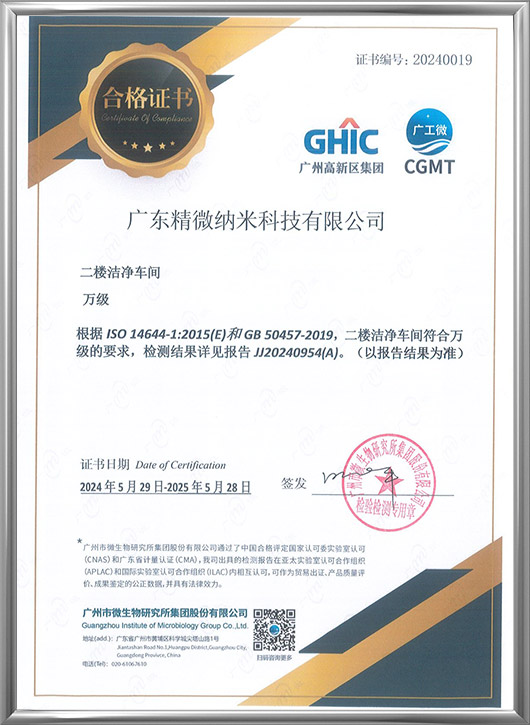
Class 10,000 cleanroom certification
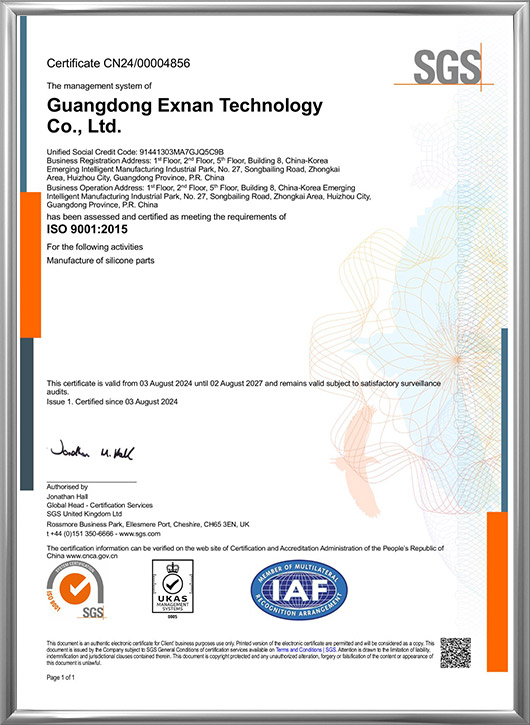
ISO 9001:2015
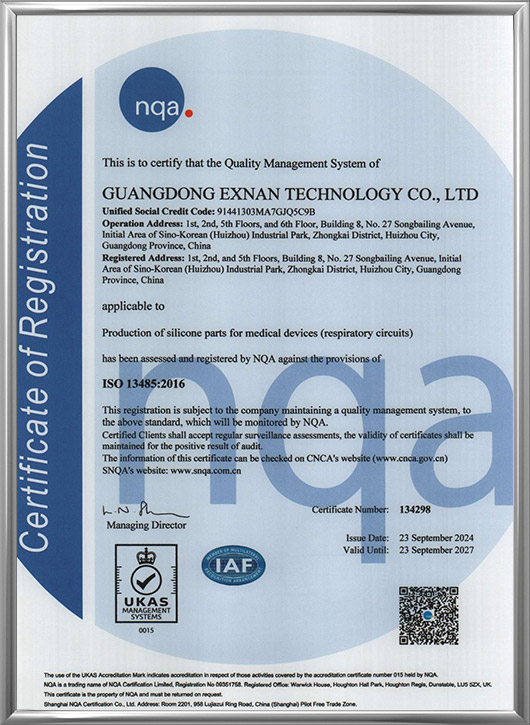
ISO 13485:2016
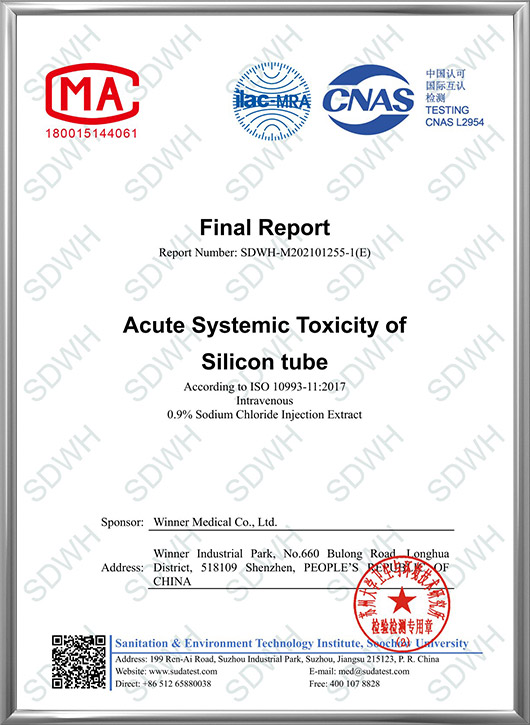
ISO 10993-11:2017 Tail vein injection
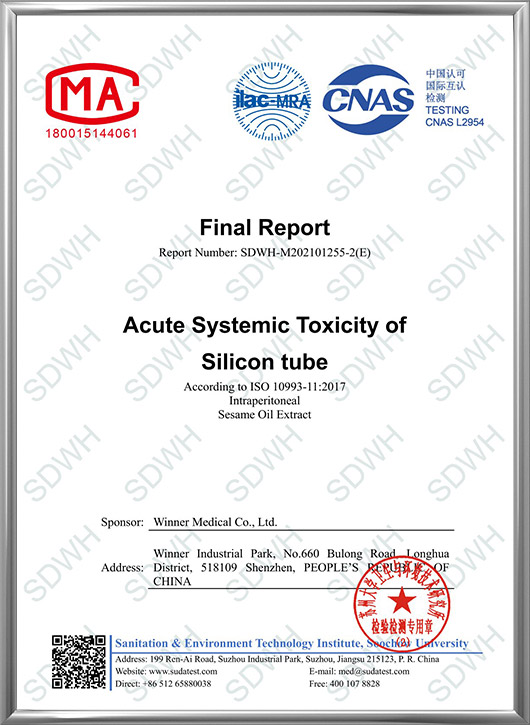
ISO 10993-11:2017 Intraperitoneal injection
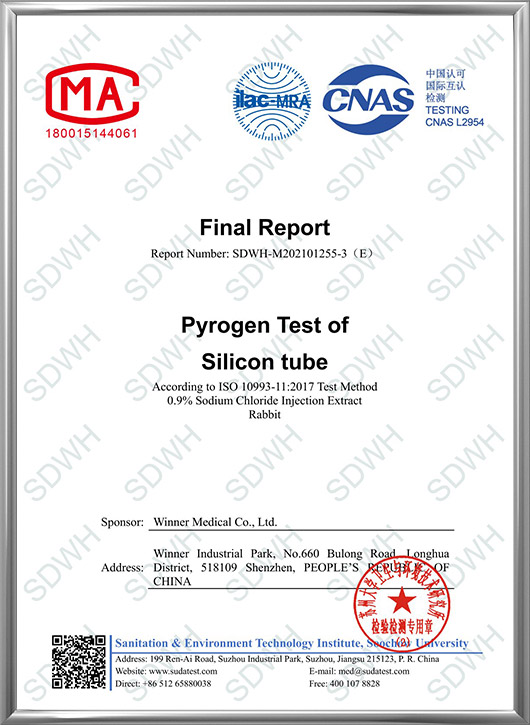
ISO 10993-11:2017 Pyrogens
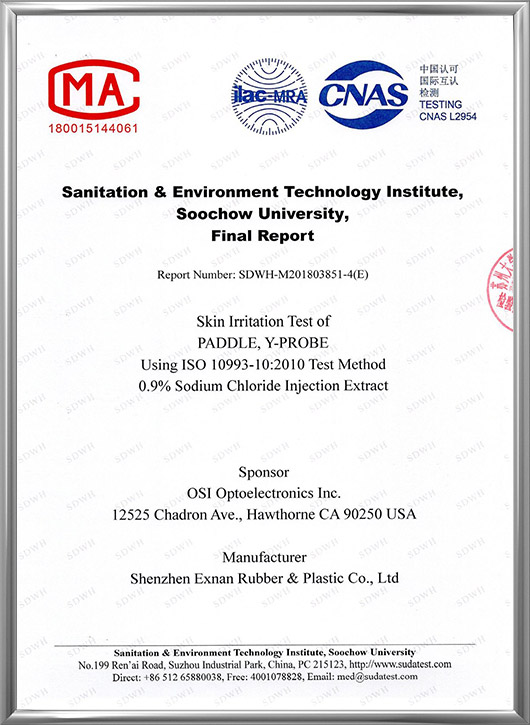
Skin irritation test for extract of 0.9% sodium chloride injection
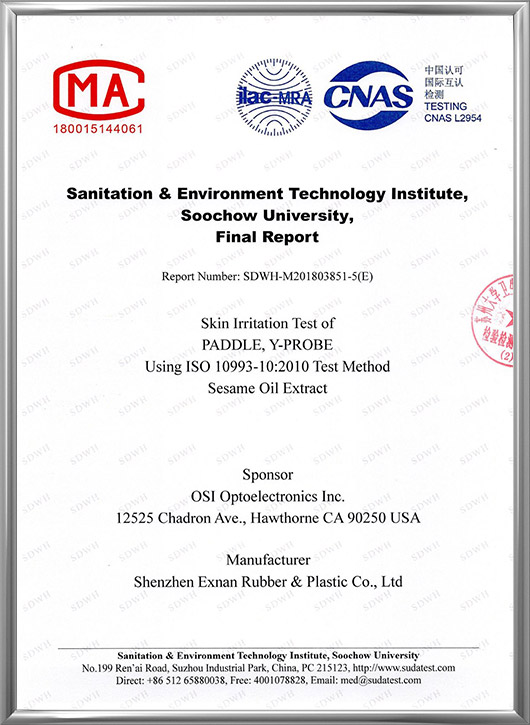
Skin irritation test for sesame oil extraction
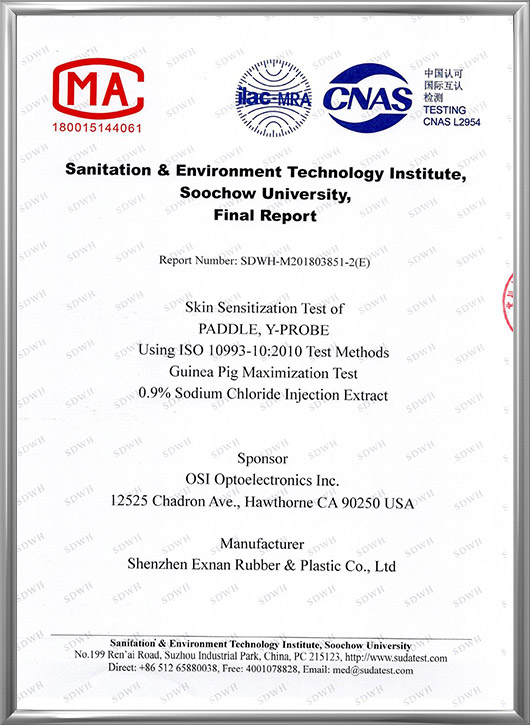
Skin sensitization test in guinea pigs using the maximization method with 0.9% sodium chloride injec
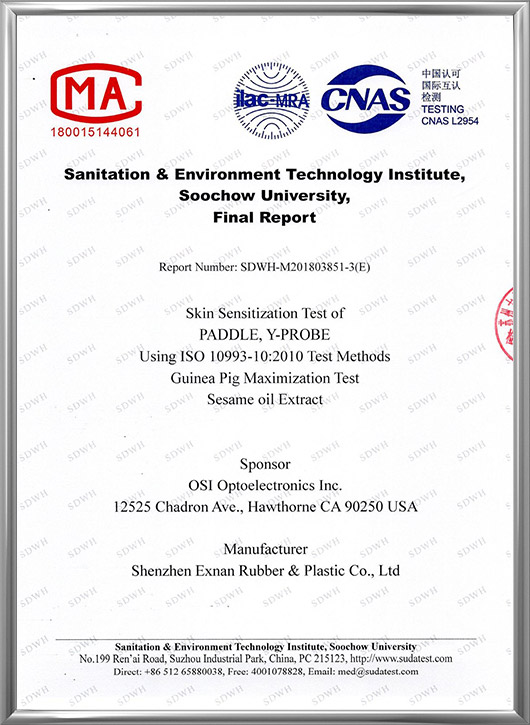
Skin sensitization test in guinea pigs:maximization method with sesame oil extraction
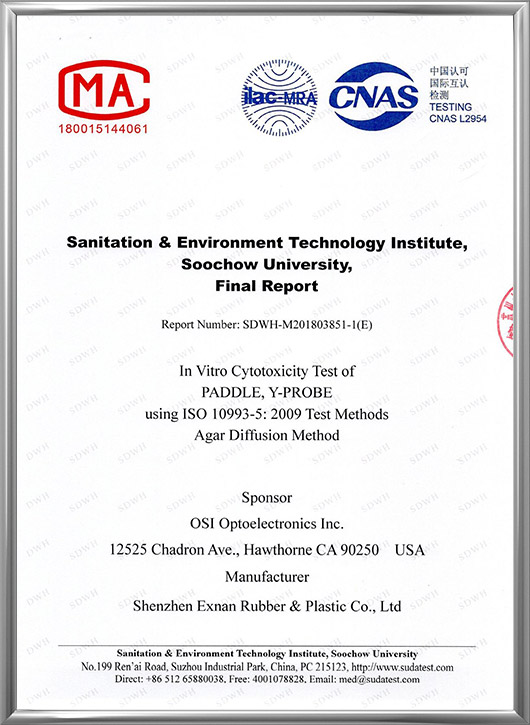
Cell toxicity test:agar diffusion method
Cooperating customers
Till now, Exnan products has been exports 35 countries, and more than 500 Medical equipment factory, health care companies, hospitals, clinics use our products, and win good reputation.


















New
Our silicone accessories meet international medical standards through strict quality control.
Ensure patient safety with our premium products. Explore our catalog today!
News
Our silicone accessories meet international medical standards through strict quality control.
Ensure patient safety with our premium products. Explore our catalog today!
Autoclave vs. Gamma Radiation: Essential Guide to Sterilization Compatibility for Medical Silicone Components (2026)
Time: 2025-06-05 09:10:13
Author: Guangdong Exnan Technology Co.,Ltd
Click:
So, you’re designing a medical device with silicone seals, gaskets, or plungers. Fantastic! Silicone’s biocompatibility and flexibility make it a superstar material. But here’s the million-dollar question that keeps engineers and procurement managers up at night:

So, you’re designing a medical device with silicone seals, gaskets, or plungers. Fantastic! Silicone’s biocompatibility and flexibility make it a superstar material. But here’s the million-dollar question that keeps engineers and procurement managers up at night:
How do you sterilize these silicone parts without wrecking them?
Choose wrong, and you risk cracked components, toxic leachables, costly production delays, or even major regulatory headaches. Let’s cut through the confusion and compare the two heavyweights in medical device sterilization: Autoclave and Gamma Radiation. We’ll make it practical, so you can make confident decisions for your 2026 projects.
Why Should You Care About Sterilizing Silicone? (It’s Not Just About Killing Bugs)
Sterilizing medical silicone isn't just about nuking microbes. It’s about how the process itself alters your material. Get this wrong, and:
1. Extractables/Leeches: High heat or radiation can cause silicone to release chemicals that contaminate drugs or tissues.
2. Physical Failure: Components can become brittle, shrink, swell, crack, or lose sealing power.
3. Production Nightmares: Downtime, rejects, and rework tank your efficiency and budget.
4. Regulatory Roadblocks: Fail USP Class VI, ISO 10993, or specific FDA/CDRH guidance, and your launch stalls.
Section 1: Key Factors Driving Your Sterilization Choice
Picking Autoclave or Gamma? Don't flip a coin. Weigh these:
Silicone’s Chemistry: Is it standard Medical Grade Liquid Silicone Rubber (LSR)? Premium Platinium-Cure? Peroxide-Cure? Each reacts differently to heat vs. radiation. Radiation often causes cross-linking (stiffening) or chain scission (weakening).
Extractables Profile: Crucial for drug contact parts (like syringe stoppers) or implants. Autoclave is generally gentler here. Gamma can work, but dosage is critical (more on this!).
The Whole Device: Does your device mix silicone with heat-sensitive plastics (e.g., sensors or flexible PCBs)? Gamma might be your only option.
Speed & Cost: Autoclaves require cycle time (~30min); Gamma units process pallets faster but need shielding infrastructure and batch management. Rejects from material degradation drive up real gamma costs.
Regulatory Footprint: Certain devices or regions mandate specific sterilization methods. Know your standards!
Section 2: Autoclave Sterilization – The Tried & (Often) True Workhorse
Let’s talk steam. Autoclaving uses high-pressure saturated steam (typically 121°C to 134°C) for 15-30 minutes to obliterate microbes.
Why Engineers Love Autoclave for Silicone:
Minimal Extractables: Steam sterilization generally causes less molecular breakdown than radiation, leading to lower leachable levels – critical for drug compatibility. Meet USP Class VI easily. (Source: USP<88>Biological Reactivity Tests, In Vivo)
Maintains the Magic: Silicone keeps its prized elasticity, compression set, and sealing force – vital for plungers, gaskets, and valves operating at high speeds in automated assembly.
Cost-Effectiveness (Especially Long-Term): While autoclave units cost more upfront than gamma chambers, the per-unit cost is often lower, especially for high-volume runs with near-zero material degradation rejects. It’s easily validated and integrated into cleanroom lines.
The Gotchas:
Heat is King (and Enemy): If your device has ANY component that melts or warps at >121°C, autoclave is off the table.
Cycle Time: It’s slower than gamma radiation per batch.
Water Spots: Requires very pure water (WFI) and drying steps to avoid contamination.
Bottom Line: If your device/material can take the heat, autoclave is often the gold standard for silicone performance and safety. This is a core strength of EXNAN's medical-grade LSR formulations.

Section 3: Gamma Radiation – Power with Precision Needed
Gamma sterilization uses high-energy photons (from Cobalt-60) to penetrate packaging and disrupt microbial DNA. Doses range from 5 kGy to a scorching 50 kGy.
When Gamma Saves the Day
Terminal Sterilization: You can sterilize the fully packaged device. No post-sterilization handling needed!
Heat-Sensitive Friends: Perfect if silicone is combined with plastics, electronics, or biologics that would fry in an autoclave.
Speed: Faster than EtO (goodbye ethylene oxide!) and quicker batch processing than steam cycles.
Why Silicone Hates Too Much Gamma:
Radiation Damage - THE BIG ISSUE: Silicone absorbs gamma energy. The consequences are dose-dependent:
5-20 kGy: Usually manageable. Minor changes might occur.
25-50 kGy (VERY COMMON DOSES): This is the danger zone. Expect significant polymer cross-linking. Your flexible silicone plunger or seal becomes brittle, prone to cracking (“crazing”), and loses its sealing ability. Compression set degrades. (See real-world results in Section 6!)
Extractables Spike: Higher doses can increase the amount of low-molecular-weight siloxanes (D3-D6) that leach out, potentially exceeding safety thresholds for drugs or biocompatibility. *(Source: Phillips Medisize Whitepaper - 'Sterilization Effects on Medical Polymers')
Batch Uniformity: Ensuring every part gets the exact dose (and no more!) is challenging. Hot and cold spots exist.
Urgent Note: Never assume 'gamma will do.' You MUST consult your silicone supplier on max dose tolerance and test extensively! Material formulation (like ours!) matters immensely.
Section 4: The Head-to-Head Showdown
Let's break down the key differences visually:
| Criteria | Autoclave Sterilization | Gamma Irradiation (5-20 kGy) | Gamma Irradiation (25-50 kGy) |
| Extractables Released | Very Low (Ideal for drug contact) | Moderate (Require Validation) | High (Significant Safety Risk) |
| Physical Integrity | Excellent (Elasticity/Seal maintained) | Good (Minor stiffening possible) | POOR (Brittle, Cracking, Seal Failure) |
| Suitable for Heat-Sensitives? | ❌ NO (Requires heat tolerance) | ✅ YES | ✅ YES (But silicone suffers!) |
| Batch Processing Speed | Slower (Per cycle) | Faster | Faster |
| Cost Per Unit (High Vol) | Lower (Low reject rate) | Moderate | High (High reject/rework rate) |
| Ideal Applications | Syringe Plungers, Seals, Valves, Tubing (Heat-tolerant assemblies) | Devices WITH heat-sensitive parts if silicone dose is carefully controlled & validated | Avoid for silicone! Only if device materials force gamma AND component failure risk is managed |

Section 5: Which Button Do YOU Press? Autoclave or Gamma?
This flowchart cuts to the chase:
1. Does your device/material include ANY components that CANNOT withstand 121°C+ steam?
YES ➜ Gamma Radiation is your path. BUT: Proceed immediately to question 2!
NO ➜ Autoclave is your BEST FIRST CHOICE.
2. (If Gamma is needed) Can your silicone components tolerate the REQUIRED gamma dose?
Need Dose ≤ 20 kGy?: Gamma may be feasible. Essential: Consult silicone supplier specs, pre-test extensively for physical and chemical properties post-sterilization, validate dose uniformity.
Required Dose > 25 kGy?:PROCEED WITH EXTREME CAUTION. Silicone failure risk is HIGH. Explore alternative silicones specifically formulated for high-dose gamma resistance (Ask us! EXNAN has solutions) or re-evaluate sterilization method/dose for the entire device package.
Section 6: Case Study: Syringe Plunger Smackdown
Scenario: ElixaMed Device Co. needed sterile silicone plungers for 60,000 pre-filled syringes/month.
Option 1: Autoclave (125°C, 20 min):
Result: Flawless performance on highspeed (600 units/min) filling line. No rejects due to plunger failure. Extractables testing passed FDA/CDRH thresholds easily (0.2% residue).
Cost: Low per-unit sterilization; minimal waste.
Option 2: Gamma Radiation (25 kGy):
Result: Functional but fragile. Assembly line speed had to be drastically reduced (to 400 units/min) to minimize plunger tearing. Extractables slightly elevated but passed borderline.
Cost: Higher sterilization + slower assembly = higher cost/unit.
Option 3: Gamma Radiation (50 kGy - common terminal dose):
Result: DISASTER. ~30% of plungers showed visible cracking or failed seal tests within days. Extractables exceeded safe levels. Batch rejected.
Cost: Massive waste, rework delays, project setback.
The Lesson: Autoclave won decisively where materials allowed it. High-dose gamma inflicted unacceptable damage.
Section 7: Your Sterilization Success Checklist
Don't gamble with sterilization. Get it right:
1. Prioritize Autoclave: If the device permits heat and steam, autoclave usually offers the best overall performance and safety profile for silicone.
2. Tame the Gamma Beast: If gamma is unavoidable, demand ≤ 20 kGy dose for the silicone parts and choose a material specifically engineered for gamma resilience. Our EXNAN GammaShield™ LSR series, for example, maintains elasticity and reduces extractables at doses up to 30 kGy – a critical edge.
3. Validate Relentlessly: Test real-world post-sterilization properties: tensile strength, elongation at break, compression set, and comprehensive extractables/leachables profiling. Use accelerated aging (e.g., 70°C for 7 days ≈ 6 months ambient) to predict shelf-life performance. (Link: FDA Guidance - Container Closure Systems).
4. Partner Early: Don't wait! Involve your silicone material experts (like EXNAN) in the DESIGN phase. We help select the right formulation and optimize geometry/manufacturing for your chosen sterilization method.

The Takeaway:
Choosing between autoclave and gamma for your medical silicone parts isn't a coin toss. It's a critical design decision impacting safety, performance, cost, and time-to-market. Autoclave delivers proven, reliable results for heat-tolerant devices. Gamma is essential for complex, heat-sensitive devices but demands extreme care with dose and material selection to avoid silicone failure.
Stop Guessing, Start Succeeding!
Still navigating the sterilization maze? Get expert clarity:
✅ Download Our FREE Guide: 'Sterilizing Silicone Medical Components: 2026 Best Practices & Method Comparison' - Packed with detailed data and FDA/ISO alignment tips.
✅ Talk to Our Engineers: Need high-performance, sterilization-optimized silicone? Let's discuss your project. We help you choose the right material and validate it.
Your safe, compliant, high-performing medical device starts with the right silicone and the right sterilization. Make 2026 your breakthrough year.

点击右上角
分享给朋友吧







 Long by picture save/share
0
Prev : EU & US Compliance: Navigating RoHS vs. REACH for Medical-Grade Silicone Supply Chains
Next : Batch Traceability in Silicone Production: Your Shield Against Recalls & Quality Headaches
文章推荐
Silicone Parts Fail After Sterilization: 5 Proven Fixes
Medical Silicone vs. TPE/TPU: Why Is Silicone Still the Preferred Material for Medical Consumables?
Medical Silicone Mold Design: The First Gateway to Product Precision
New Requirements of ISO13485:2016 for Medical Silicone Suppliers
Medical Silicone Consumables Market Sees New Growth: Respiratory Equipment Drives Demand for Precision Components
Related news recommendations —
Related Products —




News Products —
INQUIRY


Add Successfully

Hey there, I’m Steve!
15+ years in medical silicone accessories, linking manufacturers and healthcare providers for compliant, high-quality products. Trusted advisor focused on innovation and patient care. If you are looking for custom-made silicone rubber products, feel free to ask me any questions.
Hey there, I’m Steve!
15+ years in medical silicone accessories, linking manufacturers and healthcare providers for compliant, high-quality products. Trusted advisor focused on innovation and patient care. If you are looking for custom-made silicone rubber products, feel free to ask me any questions.
Welcome to contact us
If you have any questions, please fill in the relevant information. Weare very willing to provide more information and a full range ofservices for both you and your company
Welcome to contact us
If you have any questions, please fill in the relevant information. Weare very willing to provide more information and a full range ofservices for both you and your company
EXNAN
点击右上角
分享给朋友吧
Copyright © 2004-2024 Guangdong Exnan Technology Co.,Ltd
点击右上角
分享给朋友吧
Copyright © 2004-2024 Guangdong Exnan Technology Co.,Ltd

 +86-0752-3869959 / 3869960
 +86 180 0752 8206
 Building 8, China-Korea Emerging Intelligent Manufacturing Industrial Park, No.27, Songbailing Road, China-Korea (Huizhou) Industrial Park, Zhongkai Area, Huizhou City, Guangdong Province, China

WeChat scan
